
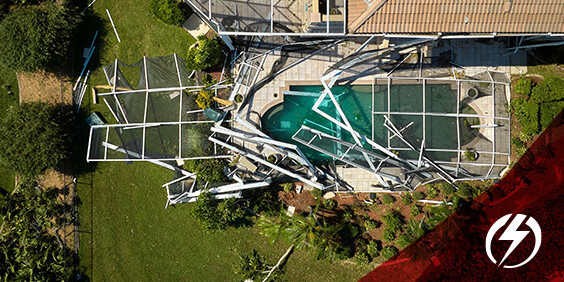
Storm Damage to Pool and Hot Tub Equipment
Get insight and tips about weather-related perils that impact pools and hot tubs, identify key components via diagrams, and learn why expert assessments are vital.

Fix It or Forget It: Navigating Equipment Loss
Don’t wait and see when it comes to potentially damaged equipment. Learn warning signs, risks, and how expert assessments reduce downtime and more in complex technical claims.

Questions To Ask When Managing Elevator Claims
Discover how these four questions can help adjusters manage elevator loss claims efficiently, ensure safety, and arrive at accurate settlements.

5 Sources for Video Evidence Guide
Discover where to find admissible video footage for your claims and how to navigate legal and ethical considerations when obtaining it.

Handling Video Evidence in Insurance Claims Guide
Learn how to properly collect, verify, and use video evidence to strengthen claim investigations, support negotiations, and ensure admissibility.

Installation Errors in Property Claims
Check out this interactive guide to explore the consequences of installation errors, from sagging floors to cracked tiles, and what steps to take to accurately resolve claims that include them.

7 Qualities of an Ethical Claims Professional Guide
Build policyholder trust and settle claims more fairly by having these qualities of ethical claims professionals.

A Homeowner’s Guide to Preparing Your House for Spring Storms
Help your policyholders protect their homes from spring storms with our comprehensive guide of practical preparation steps to minimize damage from hail, wind, water, and lightning.
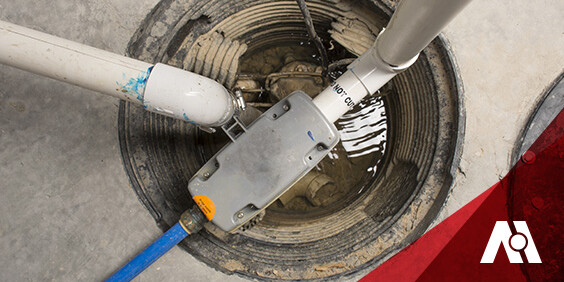
How Sump Pump Failures Can Cause Widespread Damage
Discover how consequences of sump pump failures can extend beyond the pump to appliances, HVAC equipment, and structural components.
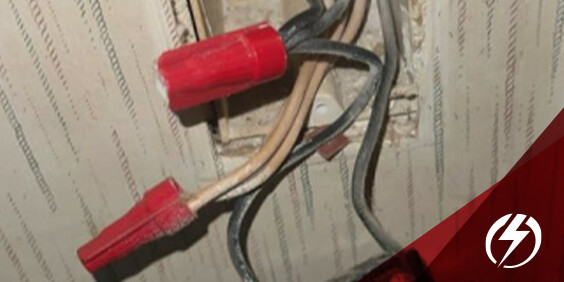
5 Electrically Powered Items That Were Repairable After Wind Damage
Dive into five claims involving wind-damaged electrically powered items and learn to navigate claim settlements with our interactive guide.
Alpine Intel’s content is meant to inform and educate readers using general terms and descriptions. They do not replace expert evaluations that determine facts and details related to each unique claim.