
Subrogation Insights: When To Investigate a Product Failure
This article explains the types of losses that are well-suited for product failure investigations, helping insurance professionals optimize their subrogation processes.
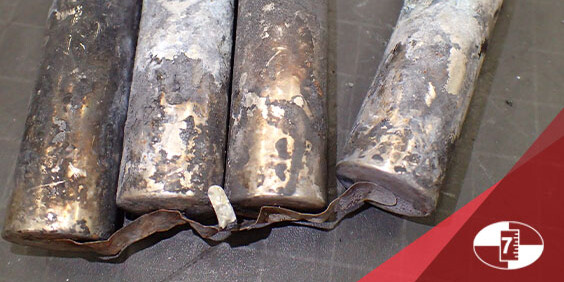
Lithium-Ion Battery Fires: Causes and Subrogation Potential
Read about the causes of lithium-ion battery fires, the role of manufacturers’ defects, and how expert testing can help you evaluate subrogation potential.

Conducting Social Media Investigations for Claims Assignments
Social media investigations can validate facts during a claims probe. Learn more about this practice and how an investigative partner can help.

What an Ethical Insurance Claims Professional Looks Like
Find out what sets an ethical insurance professional apart. Learn key traits and strategies to use for fair, transparent claims handling.

Workers’ Compensation Fraud and Large-Scale Misrepresentation
Learn how to conduct a workers’ compensation investigation that could show indicators of large-scale fraud.

How To Spot Red Flags That Could Point to Auto Fraud
Learn about different types of auto insurance fraud and become better equipped to recognize potential misrepresentation and when to investigate.

Where To Find Video Evidence and How To Obtain It
Read about different types of video evidence for claims investigations, when they might be helpful, and how to obtain them.

Why Proper Handling of Video Evidence Matters
Any video evidence should be properly obtained and handled during a claims investigation. Learn why, and how to avoid potentially compromising the integrity of an investigation.

Workers’ Comp Investigations: The Role of Surveillance
Learn when to employ surveillance in workers’ comp investigations, best practices for doing so, and how the right investigative partner can help.

The Most Common Employee Workers’ Compensation Fraud Schemes
Discover common types of employee workers’ compensation fraud, such as malingering, and how expert investigations can validate the facts of a claim.
Alpine Intel’s content is meant to inform and educate readers using general terms and descriptions. They do not replace expert evaluations that determine facts and details related to each unique claim.