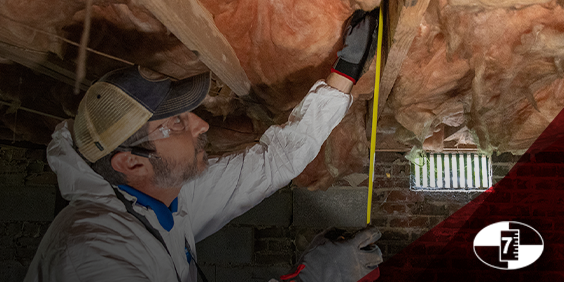
Why the Scientific Method Matters to Forensic Investigations
The scientific method is a tried and true method of examining evidence to arrive at a conclusion that’s unbiased and supported by facts.

Identifying Hail Damage to Asphalt Shingle Roofs
Each year, thousands of property owners report hail damage to asphalt shingle roofs. Know what to look for that may verify hail damage.
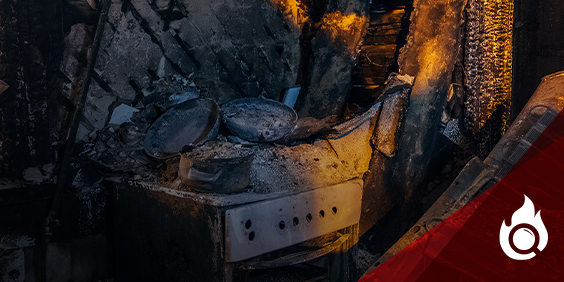
Kitchen Range Fires: What the Evidence Tells Fire Investigators and You
A successful investigation hinges on attention to detail, and a fire investigator has a lot of evidence to consider when inspecting the aftermath of a range fire.
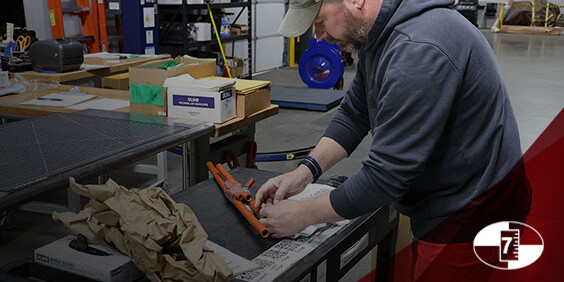
Five Ways To Streamline the Subrogation Process
Successful subrogation ensures you recover the costs of settling the claim while making the insured whole. It seems like a win-win situation. So why is it an underused option when it comes to product failures?
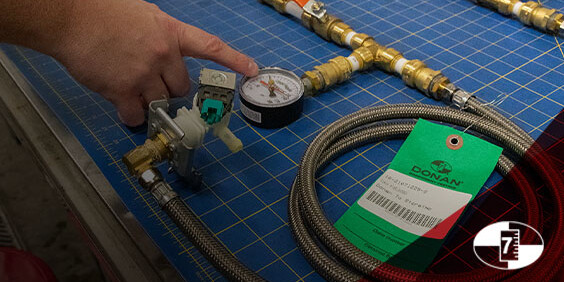
Do I Have What I Might Need to Subrogate?
Every insured product failure is an obligation and an opportunity. Often, the responsibility to get your customers paid can seem like the only priority.

Wind and Other Damage to Shingle Roofs
Identifying key characteristics of wind and other perils, as well as the factors that contribute to each, ensures a more accurate diagnosis of the cause of loss.
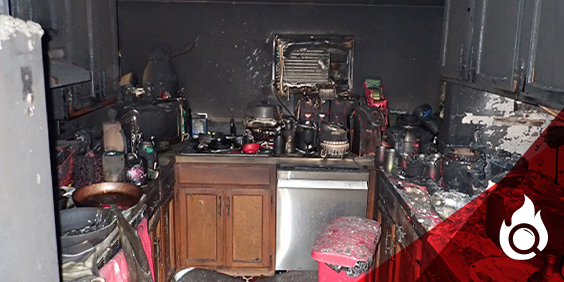
5 Questions to Ask After a Kitchen Fire
Kitchen fires are the most reported home fires, according to the National Fire Protection Association (NFPA).
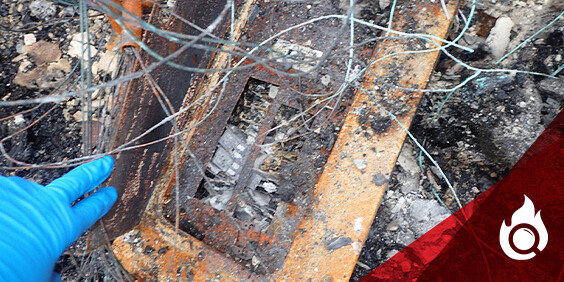
Common Causes and Indicators of Electric Wiring Fires
Knowing the causes and common indicators of faulty wiring can help insurance professionals and policyholders alike understand why these fires occur.
Investigating Lightning Fire Claims
While structural fires as a direct result of lightning are rare, they do occur, and it’s important to get all the facts from the scene before you make a claim decision.
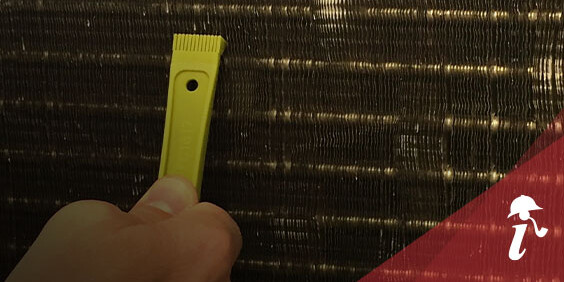
The Effect of Corrosion on Repairing Hail Damaged HVAC Coils
HVAC systems, particularly condensing units and package units, have a high risk of hail damage.
Alpine Intel’s content is meant to inform and educate readers using general terms and descriptions. They do not replace expert evaluations that determine facts and details related to each unique claim.