

Weighing the Effects of Ice and Snow on Tree Branches
Ice and snow on tree branches can lead to fallen trees and property damage. Learn how this winter weather affects the structural integrity of trees.

Confidentiality vs. Privacy in Claims Investigations
Gain a deeper understanding of the differences when addressing confidentiality vs. privacy in claims investigations.
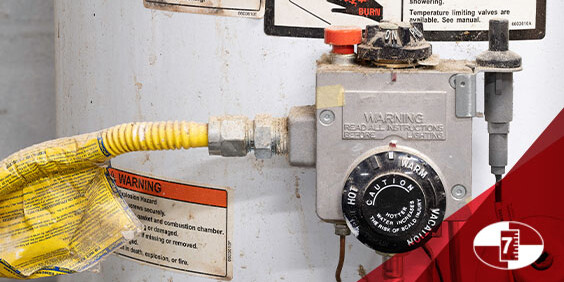
Assessing Hidden Water Damage
Discover the indicators experts look for as they evaluate residential properties and equipment for hidden water damage that could present as long-term leaks.

How Synthetic Identities Show Up in Claim Investigations
Learn what synthetic identities are, how they can show up in claim investigations, and what could indicate their presence in a claim.

Drilling into Dental Equipment Claims: Perils and the Assessment Process
Before adjusters can address dental equipment claims, they need to be familiar with the equipment, perils impacting it, and the assessment process. Find it all here.
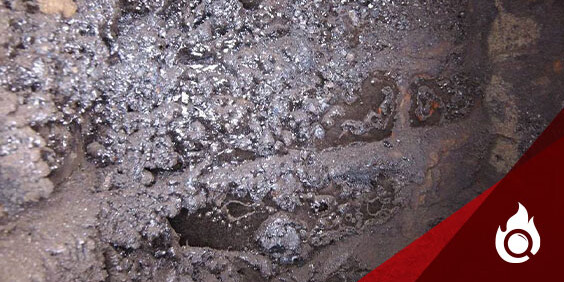
Chimney Fires: Understanding Creosote and Handling Claims
Winter brings a rise in chimney fire claims, in part, because of creosote. Learn how it forms, its risks, and what certified fire investigators look for.
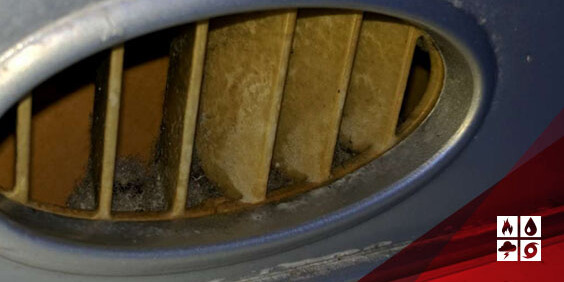
When Tanning Beds Are in the Claim: How Experts Can Help
Claims with niche equipment like tanning beds require specialized knowledge. Find out how an expert assessment can help you resolve these claims accurately.

Key Considerations for Resolving Medical Equipment Claims
Medical equipment claims can include a wide array of complex devices. Use these considerations to help you resolve related claims with more confidence and accuracy.
From FNOL to Resolved: Steps for Business-Critical Equipment Claims
Commercial claims involving business-critical equipment require a detailed approach. Use this article as a roadmap for accurately resolving these complex losses.

What Makes a High-Quality Claim Investigation Report?
For conclusive insights into the validity of claim details, you need a high-quality claim investigation report. Find out what this entails.
Alpine Intel’s content is meant to inform and educate readers using general terms and descriptions. They do not replace expert evaluations that determine facts and details related to each unique claim.