
Better Communication with Policyholders Improves the Claims Process
We’ve developed four strategies adjusters can use to improve communication with their policyholders.
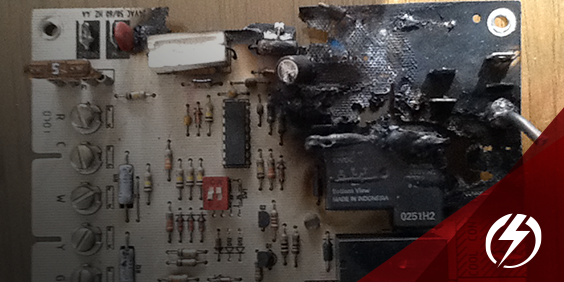
Surge and Lightning Damage to Electronics
With so much at stake, it’s important to verify the cause of loss to equipment before settling a claim, but it may be difficult to determine whether lightning, high voltage surge, or something else is responsible.
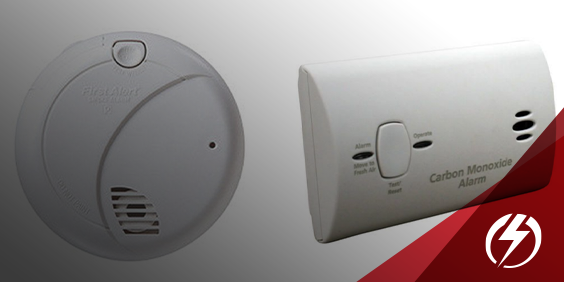
Top Facts to Know About Smoke and Carbon Monoxide Detectors for Insurance Claims
In some cases, damaged detectors could invalidate a policy or reduce a settlement if a fire were to occur.
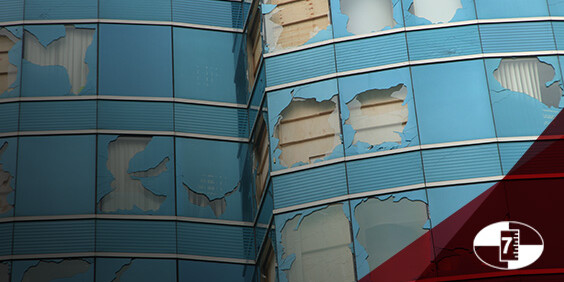
3 Reasons Not To Skip Window Assessments When Handling Wind and Hail Claims
Before you consider skipping a window assessment, remember these three reasons why obtaining an accurate cause of loss is the most important step to all windows claims.

3 Questions To Ask About Water-Related Structural Claims
Review the three questions in this article to more confidently reach an accurate claim resolution when water-related structural damage is involved.

Common Toilet and Bathroom Plumbing Failures
Toilet and plumbing failures can lead to structural water damage. Get details about the causes, indicators, and consequences of two common failures to bathroom fixtures and how an expert inspection can help you identify subrogation opportunities.
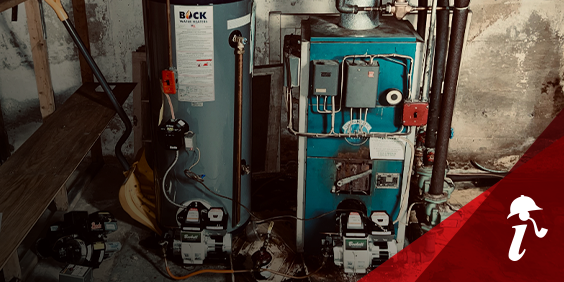
The Dangers of Freezing Water and Boilers
As we turn our attention toward cold weather conditions where freezing water can wreak havoc on commercial and residential property, the threat of catastrophic failure to boilers looms large.
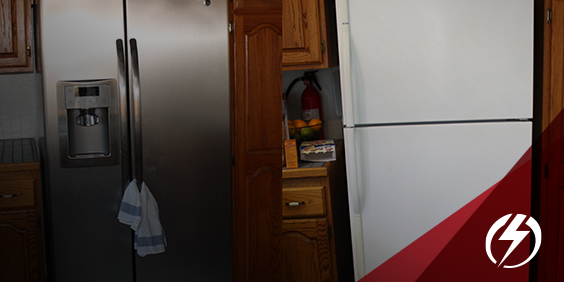
Leading Causes of Refrigerator Damage
As many adjusters know, a damaged refrigerator can quickly become a headache, since damage to this common appliance can require a lot of complex research.

Common Window Failures and How To Find Them
Following a window failure, knowing what happened and how is crucial to restoration and prevention of future losses.
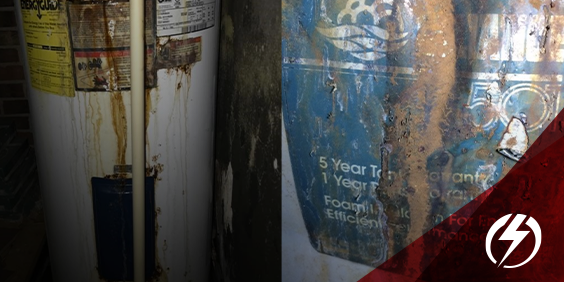
What Causes Water Heater Failure?
With the average lifespan of a residential water heater between 10 and 20 years, more than 25% of the water heaters in service are nearing the end of their useful life at any given point in time.
Alpine Intel’s content is meant to inform and educate readers using general terms and descriptions. They do not replace expert evaluations that determine facts and details related to each unique claim.