Boiler Claims 101: The Basics of a Residential Boiler
Key Takeaways
Learn how boiler heating systems work, including:
- Important differences between natural gas and oil boilers
- How boilers distribute heat through different types of terminals
- How various perils can impact boilers and what that means for property claims
Each winter, homeowners are reminded of the importance of their boiler systems, particularly if a system isn’t working as it should. As boiler claims begin to appear on adjusters’ desks in the colder season, it’s important to understand the basics of these systems and how they work.
What Is a Boiler?
Boilers are hydronic heating systems, meaning they use water to transfer heat. This type of system has many benefits, one of which is maintaining more consistent temperatures. Boilers are also typically more efficient than forced-air systems and require no ducts. This in turn keeps dust, allergens, and mold from being transmitted into the home’s air via the ductwork.
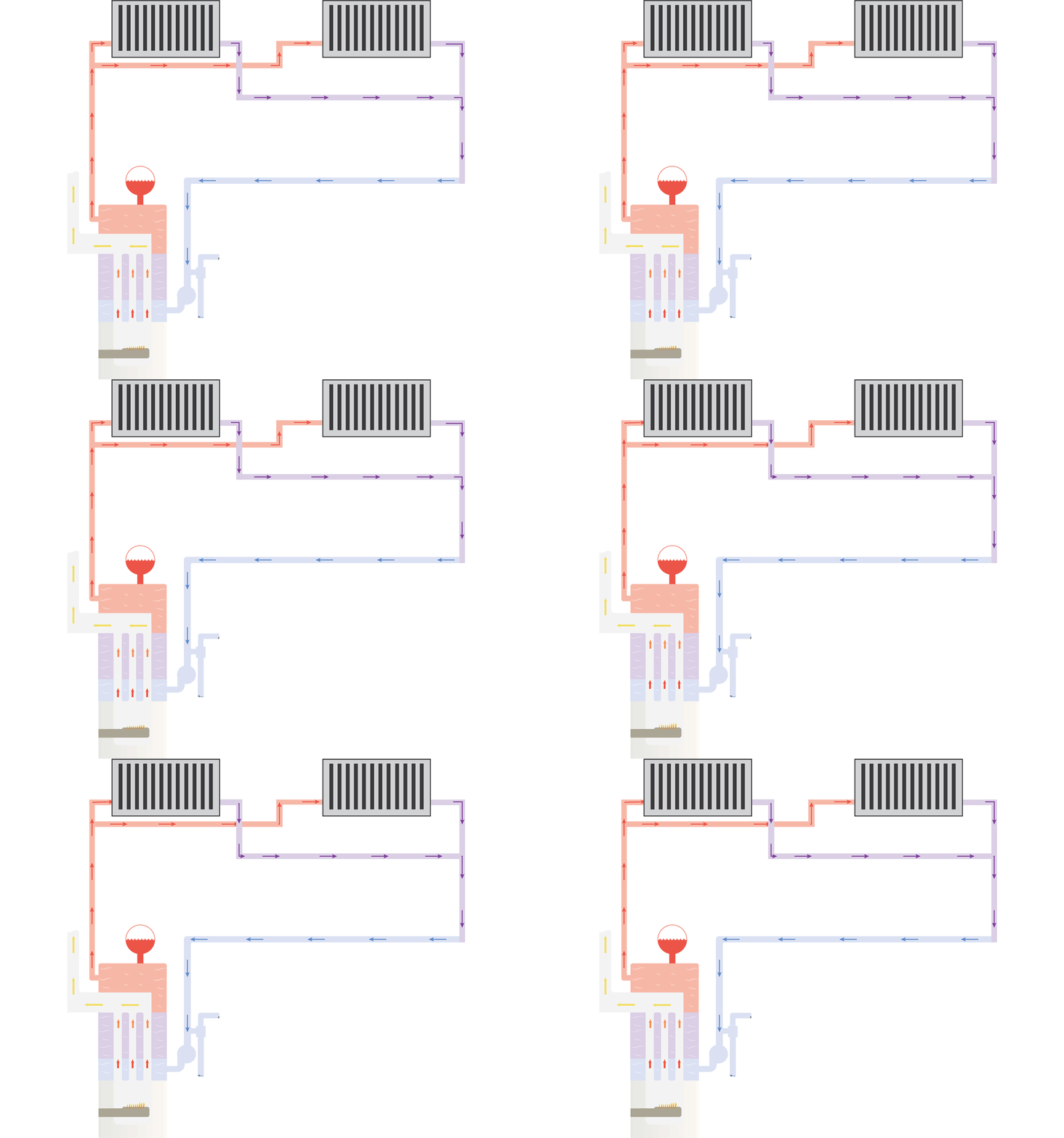
The boiler sends heated water to the terminal units (radiators in this example). The water transfers heat to the air and then returns to the boiler, where the cycle is repeated.
Understanding the Differences Between Natural Gas and Oil Boilers
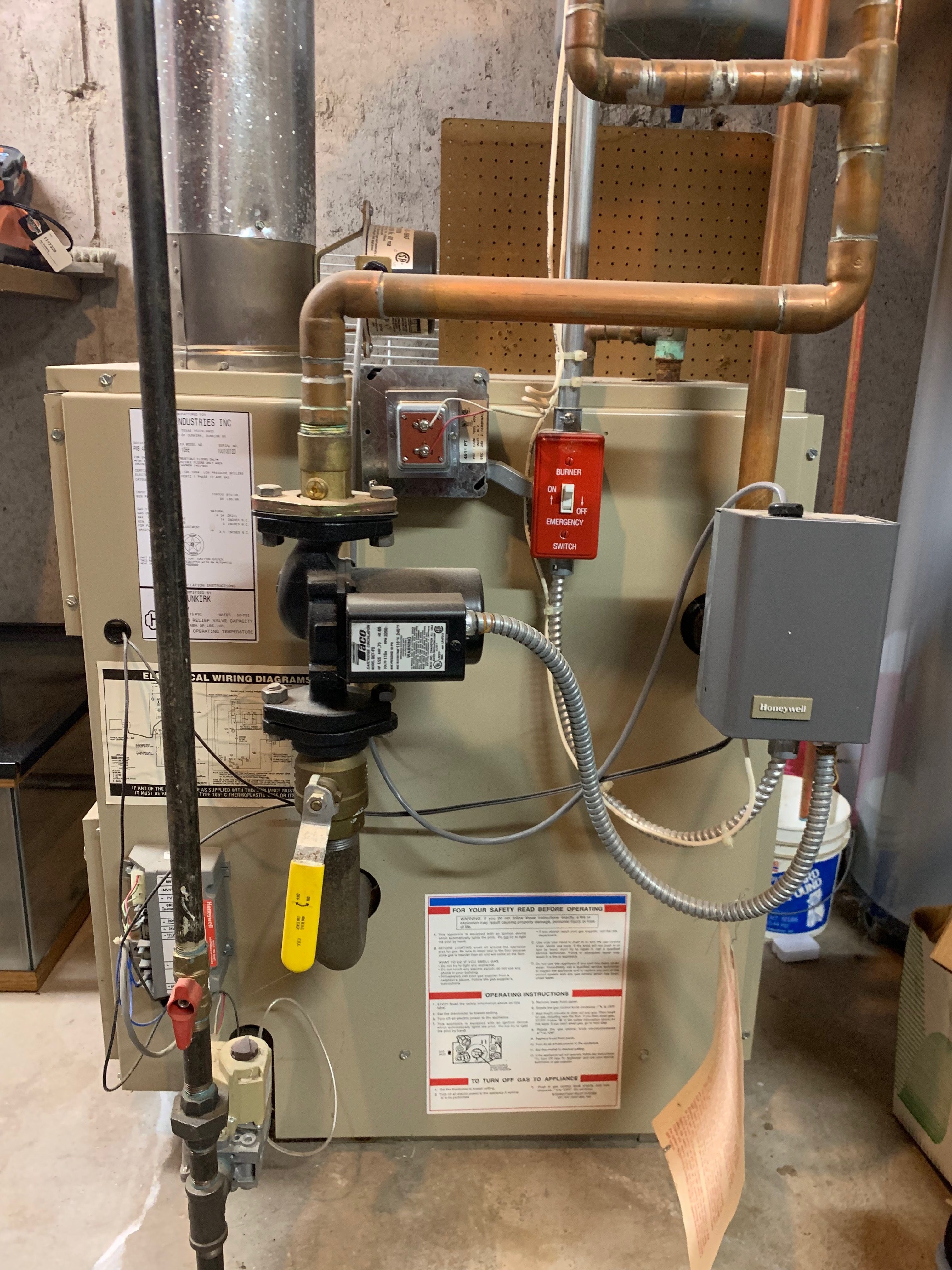
Two main types of fuel are used in residential boilers: natural gas and oil. Natural gas burns cleanly and has been cheaper than oil in recent years. Gas is supplied from the utility company through service lines into the home. To identify if a boiler is using natural gas, look for a gas supply line with a shutoff valve near the boiler.
Oil boilers, on the other hand, require a large on-site tank that stores anywhere from 200 to 1,000 gallons. Oil is often used in areas where natural gas is not available.
Delivering Heat Through Different Types of Terminals
To provide heat to a conditioned space, a hydronic system heats water and distributes it through the sealed pipes and into the terminals throughout the property. Three main types of terminals are commonly found in residential properties.

Radiators, one of the most frequently claimed types, are relatively large and typically made from steel, aluminum, or cast iron. More modern radiators use water to provide heat, but some systems in older homes still have steam radiators. In a steam heating system, the boiler heats the water until it becomes steam. The steam then travels through the radiators to transfer heat before condensing back into water and returning to the boiler for reuse.

Another common boiler terminal is a baseboard register. Some electric baseboards are not connected to any type of central heating system; you can identify these by their individual thermostatic controls. It’s crucial to understand the difference between the two, since electric convection baseboards encounter completely different issues than hydronic baseboards. While electric baseboards are powered exclusively by electricity, hydronic heaters produce radiant heat by pushing water up from the boiler and through the baseboards’ uniquely fin-shaped pipes for even warmth.
An underfloor hydronics system is another type of boiler terminal, although less common than radiators or baseboard registers. Here, water is brought up from the boiler and delivered through the individual pipes located on top of the slab or subfloor. The pipes are covered by the finished flooring and produce an even, radiant heat that rises from the floor. The biggest disadvantage of this type of hydronic system is that it can be difficult to diagnose a pipe leak.
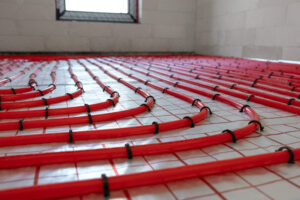
If one of the pipes burst in this underfloor hydronic heating system, it may be difficult to know what caused the loss.
Common Types of Boiler Losses
Boilers can encounter significant (and costly) issues, particularly during the winter months. It’s critical for adjusters to work closely with a trained technician to diagnose and repair all issues that may occur with a hydronic system, as the slightest oversight can create dangerous situations.
Freeze Damage

During the winter months, freezing temperatures can burst pipes and valves on all types of boilers. This can occur in a single zone or throughout a home’s system, and the resulting water damage can be catastrophic if it’s not handled quickly. Additionally, the scope of damage may vary significantly. While copper piping can be easy to repair, cast iron is not, and cracked radiators will often need to be fully replaced.
Puffbacks
A puffback can occur when a boiler doesn’t properly ignite and allows gas or oil vapors to build up within the combustion chamber. When it does eventually ignite, the excess fuel can cause anything from a small amount of smoke to a mess of smoke and soot, which is then released into the area surrounding the boiler. In rare cases, smoke and soot can also travel up the piping along with the heat that continues to circulate throughout the home.
Low Water Cutoff Failure
A common boiler issue is a failure of the low water cutoff switch, which can occur due to either a lack of regular maintenance or wear and tear. The cutoff switch ensures that the boiler does not heat up without an adequate amount of water. If the boiler runs without enough water, it could crack the heat exchanger or the combustion chamber.
While these low water cutoff devices come in both electrical and mechanical varieties, the mechanical switch is more likely to fail prematurely. One common reason for this failure is that the float mechanism sometimes becomes waterlogged, which then sends a false negative indicating that there’s not enough water in the system. This in turn automatically shuts off the system.

Another frequent issue with the mechanical switch is the buildup of total dissolved solids (TDSs), or mineral deposits that can prevent the float mechanism from freely moving up and down with the corresponding water levels. TDSs can also cause the water to foam, creating a false-positive effect that prevents the float from indicating when it’s time to shut off the valve due to low water levels. This can lead to dry fires, which can come at a greater cost to repair than replacing the boiler.
High Voltage Surge
Another regular failure with hydronic systems is high voltage surge, since boilers are composed of a significant number of electronic components. An objective technician with the proper testing equipment can diagnose high voltage surge damage to a boiler system.
Copper Theft

A significant portion of a hydronic system uses valuable copper piping, so unfortunately theft can occur. Depending on how the thieves have removed the boiler and piping, it may be costly for a licensed plumber to replace the stolen pipes. In any situation where exposed wires or other dangerous hazards may be present, adjusters should not touch anything until a licensed technician has surveyed the site.
Water Damage
Water damage can be disastrous for a boiler; it’s therefore critical that a full evaluation is performed when a boiler is exposed to water for any period of time. Following a water loss, the boiler’s electrical components, the burner, and even the combustion or heat chamber can sustain damage.
HVACi Takes the Guesswork Out of HVAC Claims
Boilers are a crucial part of many homes, with numerous components that need to be regularly maintained and inspected. In the event of a claim, it’s essential that a trained, unbiased technician evaluates the entire system and situation prior to any settlement decisions.
The HVACi team, part of Alpine Intel’s suite of services, has the expert skills to fully investigate and diagnose a boiler’s actual cause of loss to give insurance professionals a detailed report that provides recommendations for repairs or replacements and cost estimates. Submit an assignment to settle your boiler or other HVAC system claim quickly and accurately.

Don’t miss insurance-focused resources and webinars about property, perils, and trends impacting claims nationwide by signing up for The Savvy Adjuster Newsletter.

Be sure to also tune in to The Savvy Adjuster Podcast to hear more from the experts themselves.
Alpine Intel’s content is meant to inform and educate readers using general terms and descriptions. They do not replace expert evaluations that determine facts and details related to each unique claim.
Related Resources
Boiler Glossary
When they break, it’s not always immediately clear what damaged them, if the loss can be covered, or whether they can be repaired.

Understanding Water Damage in HVAC System Claims Guide
Rains, flooding, and leaks can all cause water to get into places it shouldn’t be – including your policyholders’ HVAC systems.
What To Look For in Water Heater Claims eBook
Water heaters can be difficult to evaluate, particularly because there are multiple types, such as tankless or tank water heaters and different heating sources, including gas or electric.