

Furnace Claims 101: The Basics of a Residential Furnace
A furnace is an essential part of many homes, and frequently used during the colder winter months. With this increased usage, adjusters can expect to see a parallel increase in furnace claims.

Boiler Claims 101: The Basics of a Residential Boiler
Each winter, homeowners are reminded of the importance of their boiler systems, particularly if a system isn’t working as it should.

Scary Story: The Customer Does the Inspection
Having a policyholder take pictures and provide data can be helpful when circumstances don’t allow experts to come in to conduct the evaluation.

Boiler Glossary
When they break, it’s not always immediately clear what damaged them, if the loss can be covered, or whether they can be repaired.

Heat Pump Glossary
We’ve crafted a quick reference guide to the components of heat pumps and explained the functions of each part in straightforward terms.

Adjuster Course In HVAC Refrigerant
The ban on the production and importation of virgin R-22, frequently used in HVAC systems, took effect in 2020 following a years-long phase out of these refrigerants.

Split System Glossary
The most common type of residential HVAC unit in the United States is the split system, where one section of the HVAC is outside and another is within the home (usually in an attic, basement, or crawlspace).

Package Unit Glossary
While package units may not be the most popular residential HVAC systems (though they are still found in many homes), they’re quite common in the commercial space.

HVAC System Energy Efficiency Standards Guide
The U.S. Department of Energy updated HVAC system efficiency standards, effective Jan. 1, 2023. Adjusters should understand what these changes mean and how they can impact future claims.
Understanding Water Damage in HVAC System Claims Guide
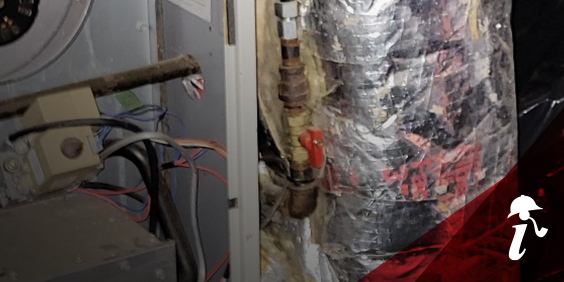
Rains, flooding, and leaks can all cause water to get into places it shouldn’t be – including your policyholders’ HVAC systems.
Alpine Intel’s content is meant to inform and educate readers using general terms and descriptions. They do not replace expert evaluations that determine facts and details related to each unique claim.