

Evaluating Winter Fire Claims Case Study
A resident plugged in a space heater and returned to find an electrical fire inside the bedroom wall. The contractor estimates ranged from $10,000 to $27,000.

Electronics Fire Claim Case Study
Smoke and fire claims are likely to include many items that could be damaged. However, not all items present during the fire will need to be replaced.
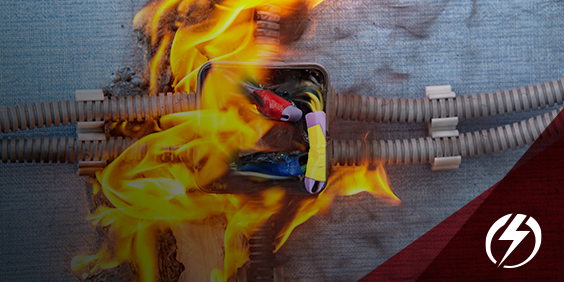
Preparing for Winter Electrical Fire Claims Guide
Make sure you’re well-versed in winter fire risks, causes, policyholder safety tips, and the electrically powered equipment that may be included in claims.

Apartment Fire Case Study
Learn our fire investigation process and how we secure evidence with this fire case study that has indicators of incendiary fire.
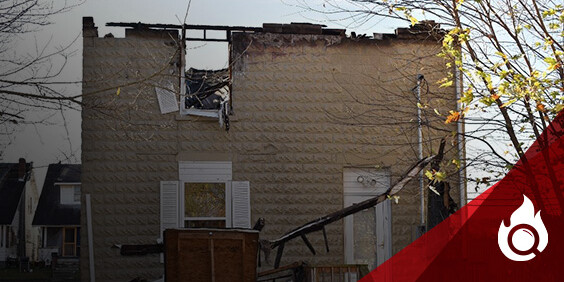
5 Questions To Ask Before a Fire Investigation Guide
Not sure what you need to know from a fire investigation? Ask these five questions to start the claims process off right.
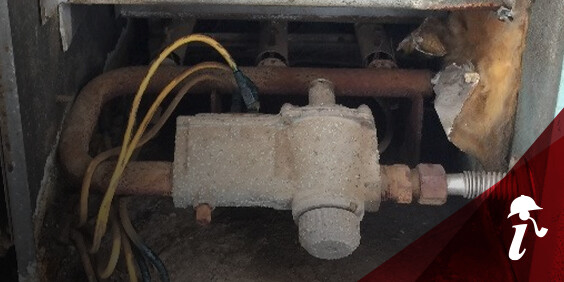
Don’t Forget HVAC Repairs for Smoke & Fire Damage Claims
Regardless of where the fire is, internal and external HVAC components are at risk for damages from smoke, soot, and ash. A home that’s miles away from the nearest fire can still sustain major soot and ash damage.
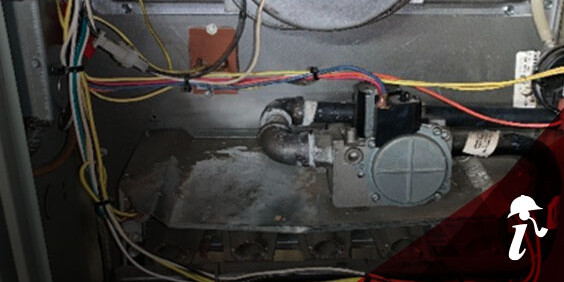
Smoke and Fire Damage to HVAC Systems Guide
Residential HVAC equipment is vulnerable to smoke and fire damage, but full replacement may not be necessary to return the HVAC system to pre-loss condition.
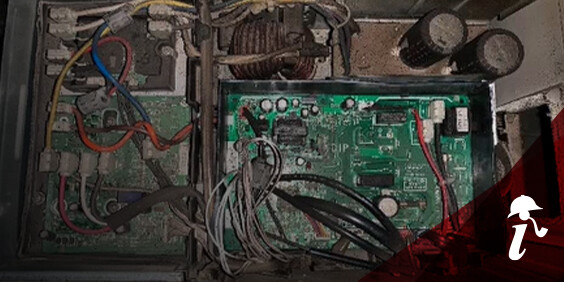
How Smoke and Fire Damage Exterior HVAC Components
Because of their location, exterior components such as condensing units and the equipment contained therein are vulnerable to smoke and fire damage.

Three Causes of Christmas Tree Fires
Christmas trees are a beloved holiday tradition, but even these brightly lit and colorful decorations have a dark side.
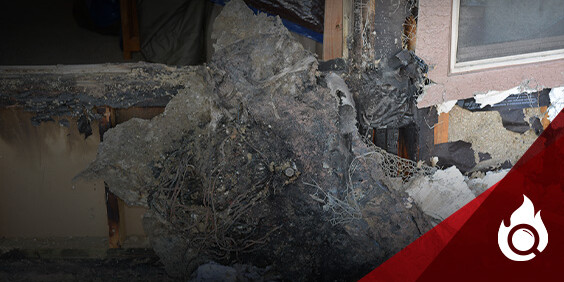
What to Expect in a Fire Investigation Guide
Complete the form to learn about the superior level of service from National Fire Experts, from customer service to origin and cause expertise, in this step-by-step guide.
Alpine Intel’s content is meant to inform and educate readers using general terms and descriptions. They do not replace expert evaluations that determine facts and details related to each unique claim.