

Apartment Fire Case Study
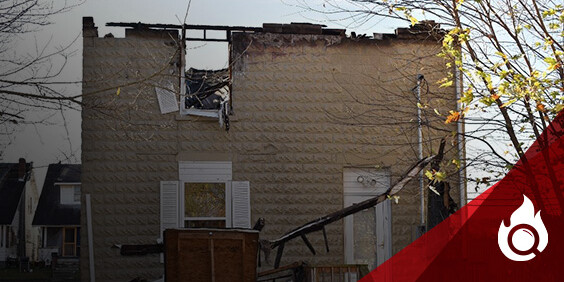
Learn our fire investigation process and how we secure evidence with this fire case study that has indicators of incendiary fire.
5 Questions To Ask Before a Fire Investigation Guide
Not sure what you need to know from a fire investigation? Ask these five questions to start the claims process off right.
Don’t Forget HVAC Repairs for Smoke & Fire Damage Claims
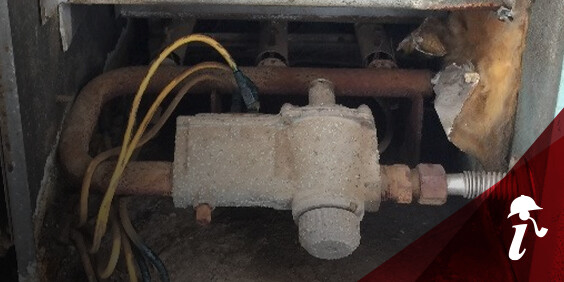
Regardless of where the fire is, internal and external HVAC components are at risk for damages from smoke, soot, and ash. A home that’s miles away from the nearest fire can still sustain major soot and ash damage.
Smoke and Fire Damage to HVAC Systems Guide
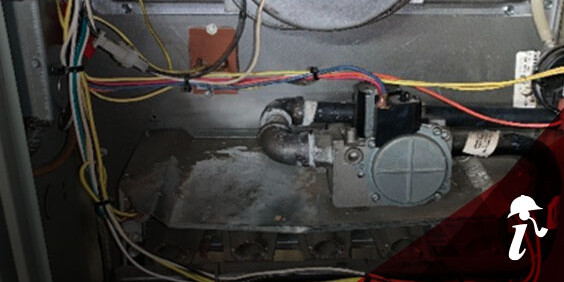
Residential HVAC equipment is vulnerable to smoke and fire damage, but full replacement may not be necessary to return the HVAC system to pre-loss condition.
How Smoke and Fire Damage Exterior HVAC Components
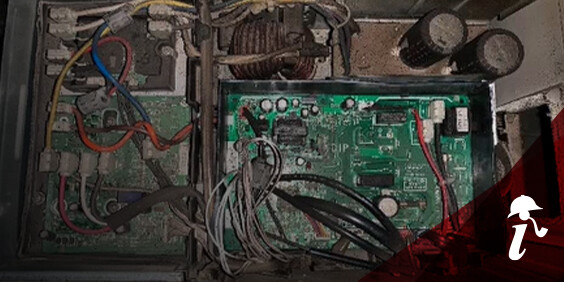
Because of their location, exterior components such as condensing units and the equipment contained therein are vulnerable to smoke and fire damage.

Three Causes of Christmas Tree Fires
Christmas trees are a beloved holiday tradition, but even these brightly lit and colorful decorations have a dark side.
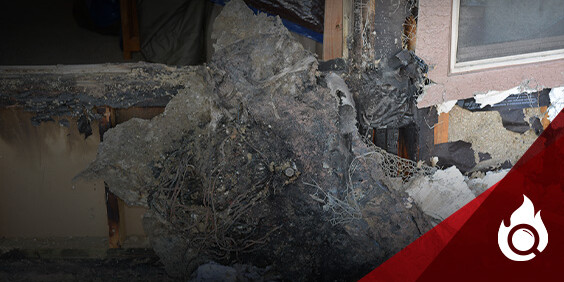
What to Expect in a Fire Investigation Guide
Complete the form to learn about the superior level of service from National Fire Experts, from customer service to origin and cause expertise, in this step-by-step guide.
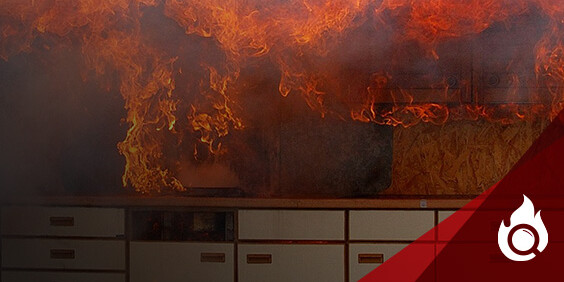
Your Guide to Decoding Range Top Fires
Make sure you’re getting what you need from your investigative partners for kitchen fire claims by arming yourself with basic facts and key indicators.
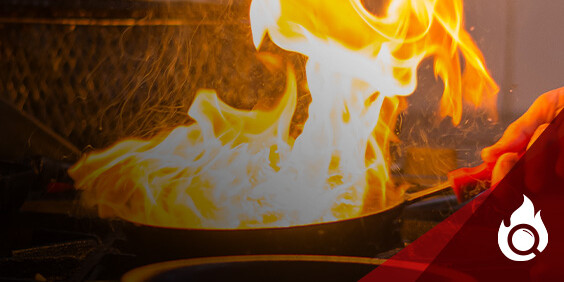
Kitchen Equipment Fire Case Study
The policyholder and the insurance adjuster handling the claim weren’t sure how the garage fire started and needed conclusive evidence to know why it occurred and how to prevent another one.
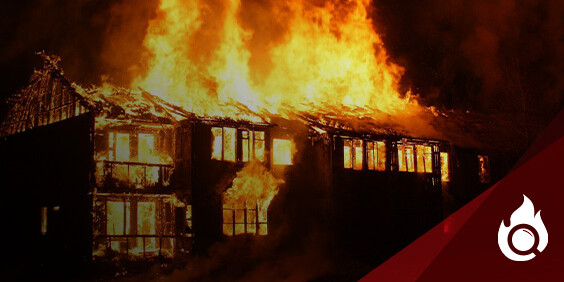
Adjuster’s Glossary of Fire Investigation Terms Guide
It takes a certified investigator to fully evaluate the origin and cause of many fires, and the investigation may include jargon you aren’t familiar with.
Alpine Intel’s content is meant to inform and educate readers using general terms and descriptions. They do not replace expert evaluations that determine facts and details related to each unique claim.