Subrogation Insights: When To Investigate a Product Failure
Product failure testing is a powerful tool for evaluating subrogation potential after a property loss. It can identify why a product or component failed and offer insights into whether manufacturers’ defects or installation errors played a role. But how do you know when to pursue this kind of expert investigation?
The key is to look for specific indicators in property loss claims. These signs can help you determine if engaging a Professional Engineer for product failure testing could inform your decision about next steps for the claim.
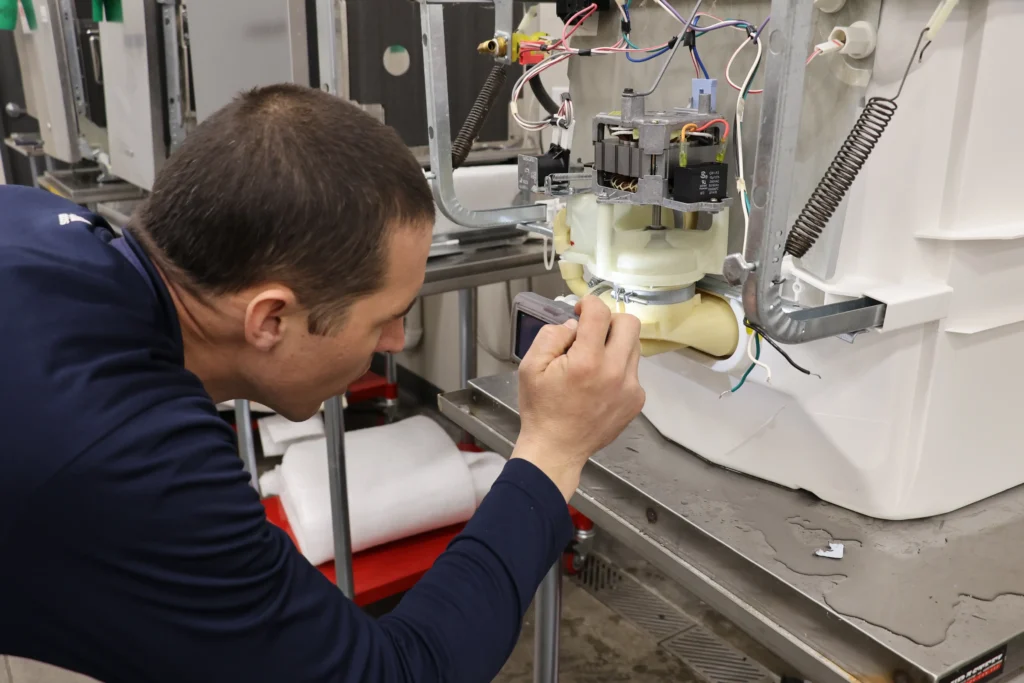
Product failure testing, performed by an experienced Professional Engineer, can offer critical insights into subrogation potential.
Claims That Could Warrant Product Failure Investigations
Water and fire losses often result from product or component failures. Gaining a deeper understanding of how these losses can be tied to everyday items in homes or businesses can help you identify when product failure testing might be worth exploring for subrogation potential.
Water Losses
Many water claims originate inside a property, with plumbing components or household appliances. When these items fail, they can cause significant water damage to surrounding property and may warrant investigation for third-party fault through product failure testing.
Plumbing components, such as brass fittings, pipes, valves, hoses, seals, supply lines, water filters, and faucets, are common culprits behind water damage. When these components are not properly designed or formulated to endure the conditions they face during regular use, they can fail unexpectedly. Appliances like toilets, washing machines, dishwashers, and water heaters can also lead to water damage, ranging from minor leaks to severe losses.
At Component Testing Laboratories (CTL), part of Alpine Intel’s suite of services, dishwashers are some of the most frequently investigated products. CTL’s Professional Engineers have identified several common failure modes in dishwashers that may be linked to manufacturers’ defects, including heating element flange corrosion, thermoplastic elastomer (TPE) coupler failure, and diverter shaft seal leaks, each of which can result in water damage.
Even plumbing system and water filter failures that appear to be caused by freezing conditions may, in fact, stem from manufacturers’ defects or installation errors. Product failure testing experts can uncover the true cause using advanced techniques such as extended pressure testing, microscopic examination, metal composition analysis, and X-ray analysis.
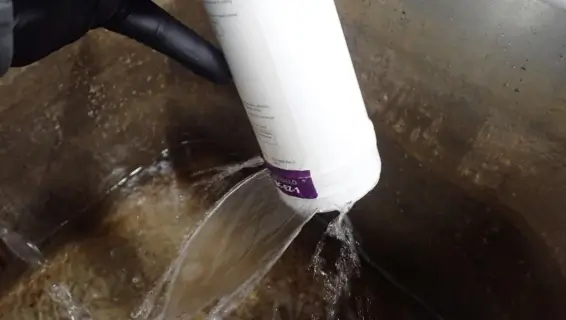
CTL’s Professional Engineers examined this water filter’s circumferential fracture, performed pressure testing, studied exemplar filters, and conducted thorough research, to determine that the filter’s failure was due to a manufacturer’s defect in the spin weld joint—not freezing conditions.
Fire Losses
Fire and smoke damage can also stem from everyday electrical equipment, battery-powered items, or household appliances. Product failure testing can help you better understand why these incidents occur and whether you might have what you need to subrogate.
Household items frequently linked to a fire’s origin and cause include space heaters, water heaters, clothes dryers, and stoves. Other examples include e-cigarettes, power tools, e-bikes, and hoverboards, as many of these products rely on lithium-ion batteries. These can ignite due to thermal runaway—a phenomenon triggered by user error, external damage, or manufacturing defects. A skilled assessment partner should have the expertise to test these batteries after a fire and determine if a manufacturing defect contributed to the battery’s failure and ignition of a fire.
Key Evidence To Collect
If you or members of your team will be onsite at the loss location at any point while deciding on product failure testing, make the most of available evidence.
Begin by photographing the scene, capturing not just the damage but also the area where the product or component was installed. Writing a detailed description of all evidence at the scene can also prove helpful. Even if you aren’t onsite, document the manufacturer, model, and serial number of the product or component in question.
Make sure to also collect a statement from the policyholder. Consider asking questions like:
- When did the failure occur?
- When was the product installed?
- Were any recent repairs made to the product?
Gathering this information can provide valuable context around the failure, aiding in potential subrogation efforts and helping experts determine if similar brands or models have experienced comparable losses.
Protecting Your Evidence
Preserving the product in question is crucial for accurate product failure testing and reliable conclusions. While gathering information about the loss, educate policyholders on the importance of subrogation and the need to keep the failed product intact until it can be retrieved. To protect the evidence during transport, consider maintaining a single-line chain of custody—or having one entity handle the evidence throughout the transportation and testing process—to ensure its integrity.
Some products may be more difficult to transport than others and require additional expertise. For example, lithium-ion batteries require careful handling not only to prevent spoliation but also to avoid reignition. CTL has developed a specialized method for safely transporting these batteries through their in-house transportation service, Loss Logistics. Loss Logistics can work directly with National Fire Experts investigators at fire scenes to securely ship batteries or other products to CTL’s facility for testing.
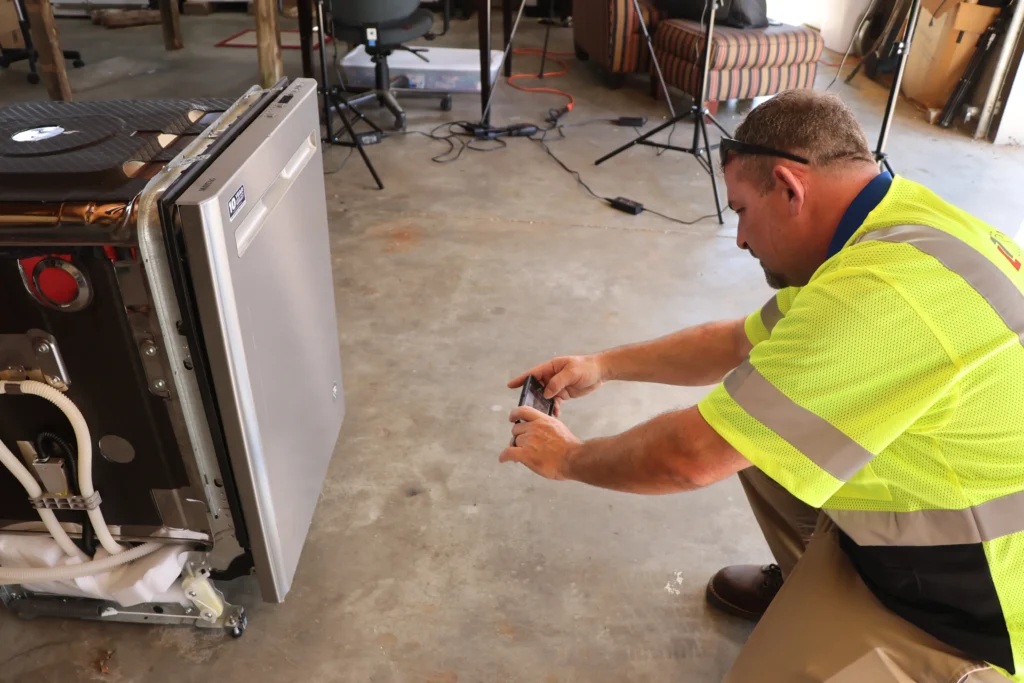
CTL’s Loss Logistics personnel photograph products before carefully packaging and transporting them to CTL for product failure testing.
Act Quickly and Turn to Experts
Early coordination with your team and policyholders is key to identifying subrogation potential and ensuring evidence remains intact for conclusive product failure testing. It’s also essential to keep statute of repose laws in mind, as they define the timeframe within which manufacturers can be held liable for defects.
If you think you have a product failure that warrants further investigation, don’t delay. Submit an assignment to the Professional Engineers at CTL.

Don’t miss insurance-focused resources and webinars about property, perils, and trends impacting claims nationwide by signing up for The Savvy Adjuster Newsletter.

Be sure to also tune in to The Savvy Adjuster Podcast to hear more from the experts themselves.
Alpine Intel’s content is meant to inform and educate readers using general terms and descriptions. They do not replace expert evaluations that determine facts and details related to each unique claim.
Related Resources
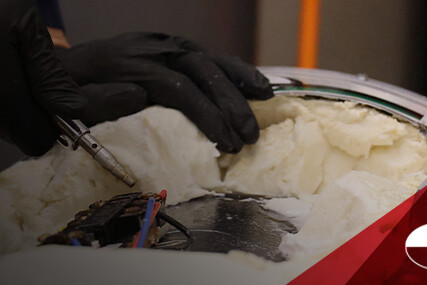
Your Guide to Product Failure Testing Terms
CTL’s glossary of frequently used terms can help you better understand the lab’s assessment process, the materials our experts inspect, and their actionable conclusions.
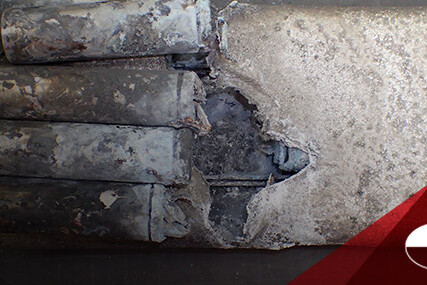
Lithium-Ion Battery Product Failure Testing Case Study
An adjuster sought conclusive evidence from CTL’s professional engineers and testing to determine a lithium-ion battery fire cause and subrogation potential.
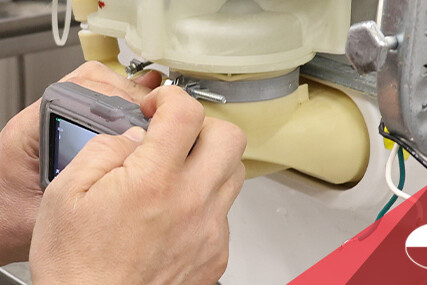
Non-Destructive vs. Destructive Product Failure Testing Case Study
Read about how CTL’s Professional Engineers used non-destructive and destructive testing to help a subrogation firm pinpoint the cause of a plastic pipe leak.