
How Synthetic Identities Show Up in Claim Investigations

Insurance fraud linked to identify theft could rise by nearly 50% this year, according to the National Insurance Crime Bureau (NICB). And creating synthetic identities is among the tactics.
This type of misrepresentation is newer and uses a combination of legitimate personally identifiable information and fabricated information to establish a new persona or entity, according to NICB.
David J. Glawe, NICB president and CEO, stated in a news release that identity theft and the use of synthetic identities are the “foundation” for life insurance and medical-related fraud, along with cargo theft.
“The everchanging digital environment, coupled with artificial intelligence, has enabled criminals to create bogus identities and pose as a deceased person’s beneficiary to collect life insurance payouts, submit false medical expenses to receive reimbursement, or even reroute goods for sale on the black market,” he said in the release. “Some thieves are creating fictious business entities that use identity crimes as the underpinning of criminal activity that targets the insurance industry.”
How Are Synthetic Identities Created
Synthetic identities—sometimes referred to as “Frankenstein identities”—are an evolution of what most people think of when they hear about identity theft.
They require a person who intends to deceive to create an individual using, for example, a legitimate name or SSN alongside fake information like a date of birth and nonexistent address, email address, or phone number.
In many cases, SSNs are culled from the range of numbers the Social Security Administration uses to randomly issue SSNs.

A person attempting to misrepresent information in an insurance claim might create a synthetic identity, also known as a ‘Frankenstein identity’ because of how it combines real and fictitious information.
FedPaymentsImprovement.org outlines three methods that may bring these false identities to life:
- Fabrication: Building a persona out of entirely fictional information. This method does not steal any legitimate details from a real person.
- Manipulation: Using some elements of a real person’s identifiers but slightly modifying some parts, such as swapping a couple digits in a number.
- Compilation: Bringing together fictional elements and information gleaned from a real person to build a fictitious individual.
How Synthetic Identities Are Used in Insurance Claims
Synthetic identities can be part of large-scale misrepresentation or take on a more individual approach to potential fraud. Among the concerns for the synthetic identities are that they can be used in false insurance applications and claims or to extract payouts, according to a December 2024 article in The Journal of Insurance Fraud in America.
These fraudulent claims could land on an adjuster’s desk in the form of a manufactured death certificate accompanied by supporting documents. Because the identity seems legitimate, insurance companies may move forward with issuing the death benefit.

A person involved in a car crash might use a synthetic identity when seeking medical care or filing an insurance claim.
In another scenario, an individual may receive medical treatment using a synthetic identity and file false insurance claims for existing and falsified policyholders, according to NICB.
How To Identify Indicators of Synthetic Identities
Elements of truth alongside false information make synthetic identities harder to detect than traditional identity fraud.
There are a few indicators, as determined by a LexisNexis analysis, that could suggest their presence in a claim:
- Network emergence patterns: A standard background check may reveal a lack of identifiable documentation, such as a driver’s license or voter registration information.
- No family connections or associates: If the individual has no known associates, this could suggest the person doesn’t actually exist.
- Co-mingled contact elements: The same contact information is used for multiple identities or credit inquiries.
How To Verify Synthetic Identities
Because of the resources at their disposal, skilled investigators are uniquely equipped to analyze those potential indicators and empower adjusters to make claim decisions with confidence.
Access to ISO databases allows investigators to review a broad range of elements simultaneously and evaluate how (or if) they connect in ways that may indicate the existence of a synthetic identity. For example, the combination of a questionable credit file and associations, unusual application activity, and questionable IP addresses could be cause for concern.
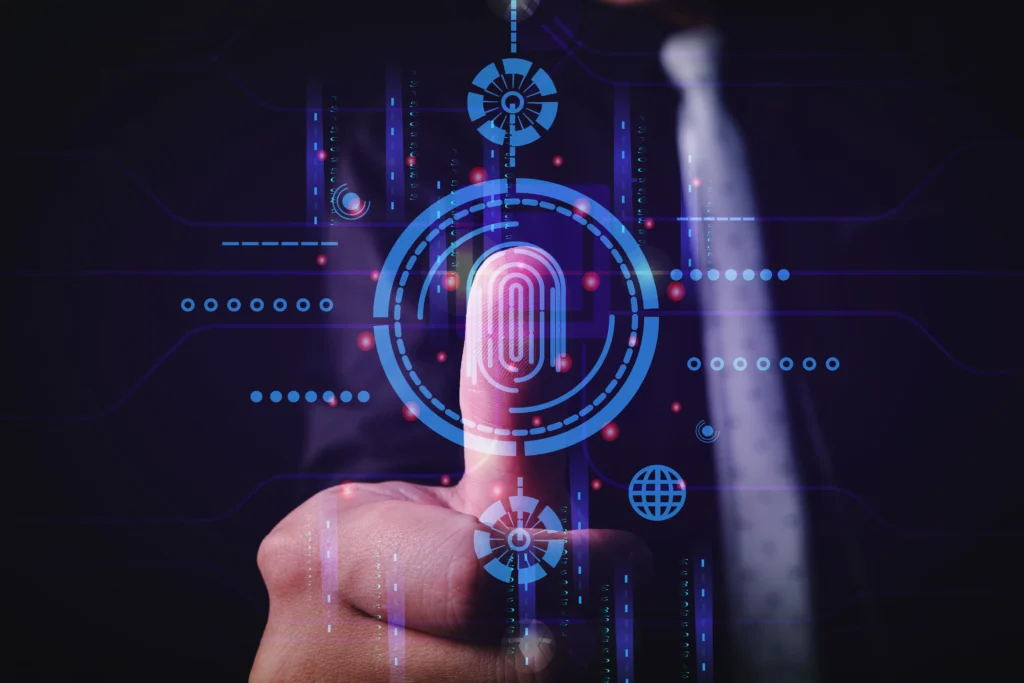
Identifying synthetic identity fraud is more challenging because they combine real and fake information.
Other suspicious database results that could lead an investigator to believe a synthetic identity has been used include vacant or non-resident property, SSN flags, and unusual device or phone number usage.
To ensure potential misrepresentation like synthetic identity fraud is swiftly addressed, adjusters can turn to a trusted investigative partner. As a leading insurance defense investigation firm, VRC Investigations will provide single-source, comprehensive services to combat what NICB has labeled “the fastest growing financial crime.”
If you need assistance to verify if a synthetic identity has been used in a claim, submit an assignment today.

Don’t miss insurance-focused resources and webinars about property, perils, and trends impacting claims nationwide by signing up for The Savvy Adjuster Newsletter.

Be sure to also tune in to The Savvy Adjuster Podcast to hear more from the experts themselves.
Alpine Intel’s content is meant to inform and educate readers using general terms and descriptions. They do not replace expert evaluations that determine facts and details related to each unique claim.
Related Resources

Types of Canvassing To Bolster Claim Investigations
Canvassing can help insurance professionals verify facts of a claim without sacrificing objectivity, accuracy, or fairness.
Tanning Bed Claim Case Study
TechLoss’s onsite inspection revealed the claimed tanning bed in this case study wasn’t as damaged as a contractor’s estimate suggested. Learn what TechLoss determined and how.
Dental Equipment Claim Case Study
A carrier sought objective verification for a dental equipment claim for more than half a million dollars. Learn how TechLoss Consulting & Restoration delivered the solution.