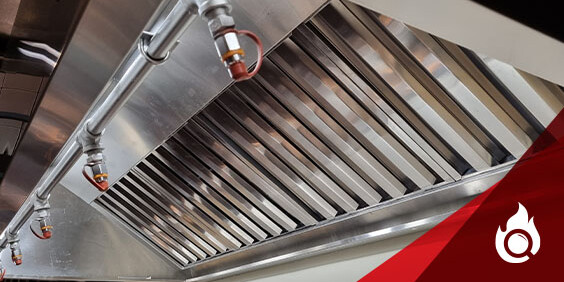
Function & Failures: Commercial Kitchen Fire Suppression Systems Guide
Request this adjuster guide on commercial kitchen fire suppression systems, which includes a labeled diagram, required maintenance information, and common failures.

How To Ask Effective Claim Investigation Questions Guide
Adjusters can use the tips in this guide to prepare for claim investigation interviews and craft effective questions to validate details and facts.
Evidence Management Tips for Subrogation Attorneys Guide
Attorneys, learn three essential strategies to safeguard evidence and address spoliation concerns in subrogation cases involving product or component failures.
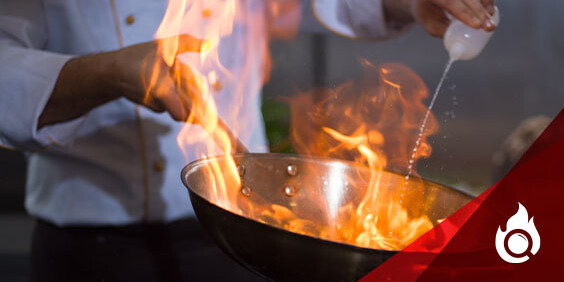
Risks and Regulations Related to Commercial Kitchen Fires Guide
Become better equipped to tackle commercial kitchen fire claims with this guide on risks, regulations, questions to ask, and key adjuster takeaways.
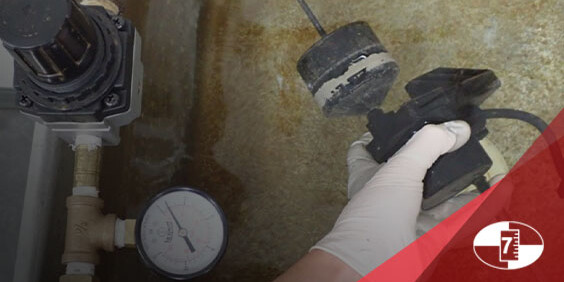
Non-Destructive vs. Destructive Product Failure Testing: What You Need To Know Guide
Through non-destructive and destructive product failure testing, Professional Engineers provide insights that inform subrogation decisions. Learn about each method.
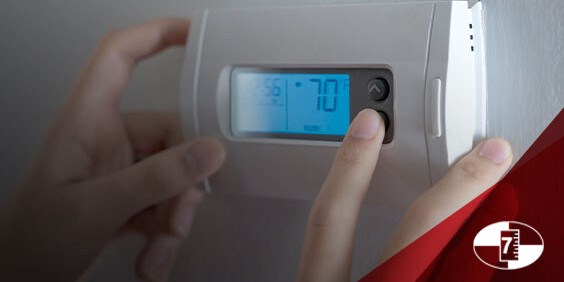
3 Data Points for Evaluating Freeze Damage Claims Guide
Learn how three data points can help resolve freeze-related claims when evaluated alongside on-site inspection results.
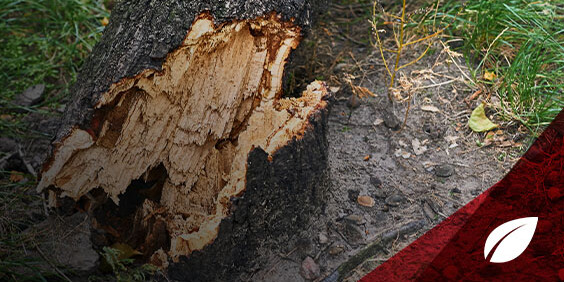
Identifying Risk Factors of Tree Failure Guide
This guide allows adjusters to explore potential indicators of tree damage or failure so they can confidently resolve claims that involve a fallen tree or debris.

Adjusters’ Guide to Church Equipment Perils and Claims
Learn common types of commercial indoor and outdoor equipment found in religious facilities and perils that can impact them, so you’re better prepared for claims.
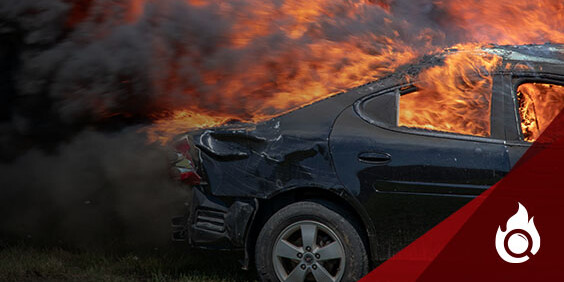
Potential Ignition Sources in Passenger Vehicles Guide
Prepare for vehicle fire claims with this guide, which offers an overview of common ignition sources, first fuels, and other key considerations.

Desktop vs. Field Investigation: Know the Differences Guide
Download this guide to learn when field and desktop investigations might be needed if potential misrepresentation is suspected—and when you might need both.
Alpine Intel’s content is meant to inform and educate readers using general terms and descriptions. They do not replace expert evaluations that determine facts and details related to each unique claim.