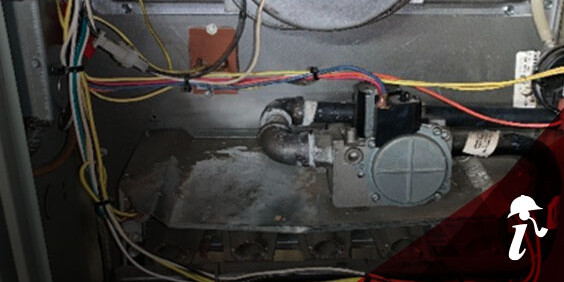
Smoke and Fire Damage to HVAC Systems Guide
Residential HVAC equipment is vulnerable to smoke and fire damage, but full replacement may not be necessary to return the HVAC system to pre-loss condition.
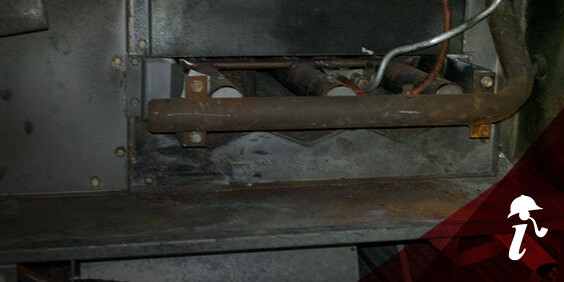
What To Look For in Lightning and Surge Claims Guide
Learn key claim trends, such as reported vs. actual cause of loss percentages, and be quizzed on your knowledge of these perils.

Your Guide to Wind Damage to Asphalt Shingles
Explore this interactive guide to learn more about asphalt shingles and how they can be assessed before settling a claim.

Wind Damage and Other Losses to Asphalt Shingles Guide
This guide explains how wind damage to roof shingles can appear in claims, when wind might not be the cause of loss, and how to tell the difference.
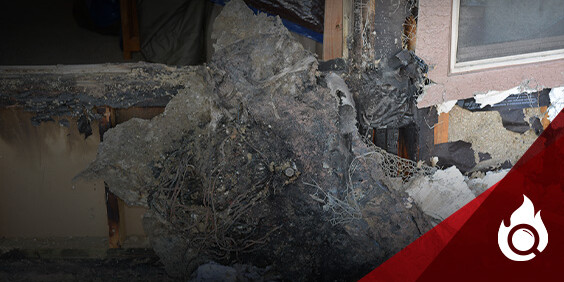
What to Expect in a Fire Investigation Guide
Complete the form to learn about the superior level of service from National Fire Experts, from customer service to origin and cause expertise, in this step-by-step guide.
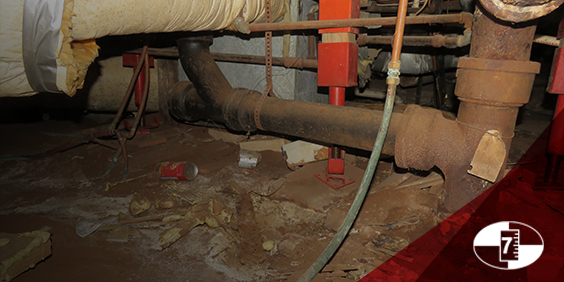
Residential Pipes, Insulation, and Freezing Conditions Guide
Some piping materials withstand freezing conditions better than others, though multiple kinds of tubing may be found in the same home, depending on the age and water usage of the structure.

Residential Pipes and Freezing Conditions Guide
Some materials tolerate the cold better than others, and your policyholders may be at risk for catastrophic losses if their pipes can’t withstand freezing temperatures.

Residential Insulation Guide
Learn what types of insulation may be present in a home and where you may find each of them when your policyholder files a claim.
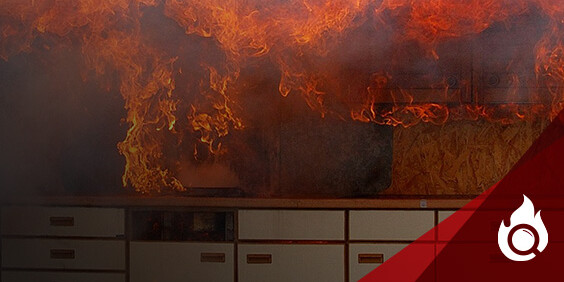
Your Guide to Decoding Range Top Fires
Make sure you’re getting what you need from your investigative partners for kitchen fire claims by arming yourself with basic facts and key indicators.

What To Expect From Your Forensic Engineering Investigation Guide
The guide outlines how Donan’s process is focused on your needs from start to finish. You’ll also learn which options for submission and reports may work best for your claims.
Alpine Intel’s content is meant to inform and educate readers using general terms and descriptions. They do not replace expert evaluations that determine facts and details related to each unique claim.