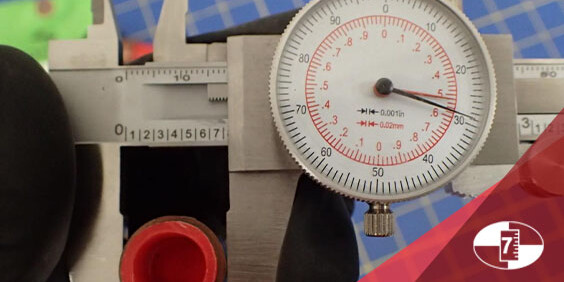
What Could Constitute a Subrogation Claim
Installation errors and manufacturers’ defects can both signal subrogation claim potential. Learn more about each and why considering subrogation matters.
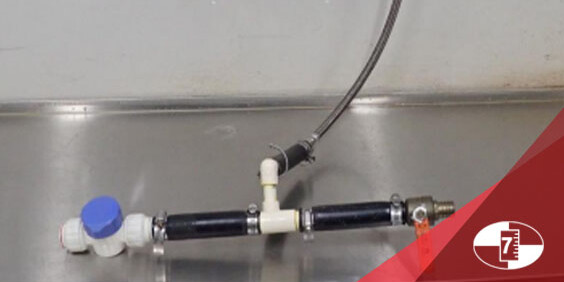
Installation Error: Component Failure Case Study
Component Testing Laboratories used non-destructive testing to uncover an installation error behind a CPVC tubing failure, aiding the adjuster in assessing subrogation potential.
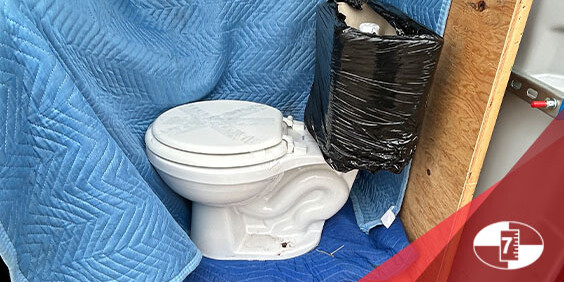
Toilet Failure Case Study: A Single-Line Chain of Custody
Find out how CTL safely documented, moved, and tested a fractured toilet using in-house services, so that the adjuster could evaluate subrogation potential.

Best Practices for Evidence Management in Subrogation Cases
Discover essential strategies for documenting, preserving, and storing evidence to reduce the risk of spoliation and build stronger subrogation cases.
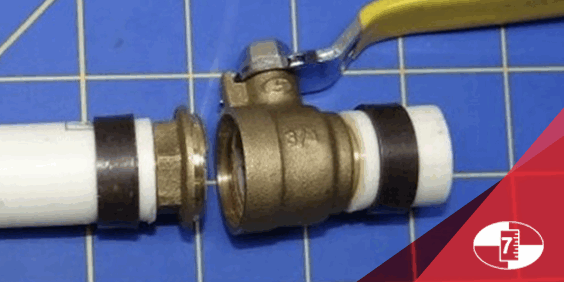
Corrosion Types That Could Signal Subrogation Potential
Learn about corrosion that could point to a manufacturer’s defect and subrogation potential, revealed by experts through component and product failure testing.
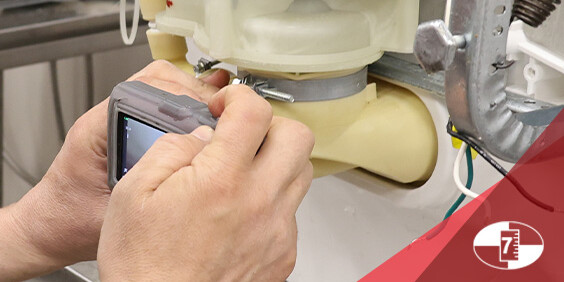
Non-Destructive vs. Destructive Product Failure Testing Case Study
Read about how CTL’s Professional Engineers used non-destructive and destructive testing to help a subrogation firm pinpoint the cause of a plastic pipe leak.
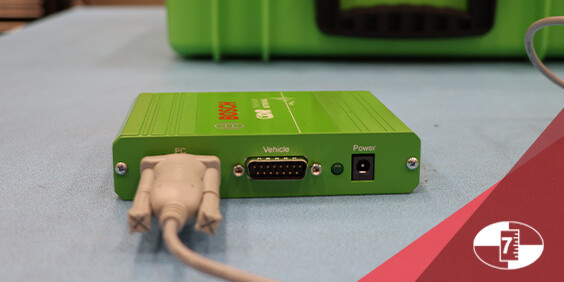
Leveraging Crash Data Retrieval as an Auto Claims Adjuster
Discover how Crash Data Retrieval can reveal critical details in vehicle claims and prove useful, should these claims enter litigation.

3 Water Heater Failures Subrogation Teams Should Know About
Read about three water heater failures that underscore why product failure testing is crucial for informed subrogation decisions.
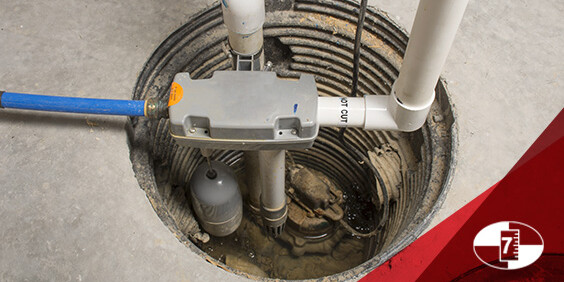
Sump Pump Failure Case Study
Learn how CTL’s Professional Engineer used non-destructive testing to uncover the cause of a sump pump failure so that an adjuster could evaluate subrogation potential.
Your Guide to Product Failure Testing Terms
CTL’s glossary of frequently used terms can help you better understand the lab’s assessment process, the materials our experts inspect, and their actionable conclusions.
Alpine Intel’s content is meant to inform and educate readers using general terms and descriptions. They do not replace expert evaluations that determine facts and details related to each unique claim.