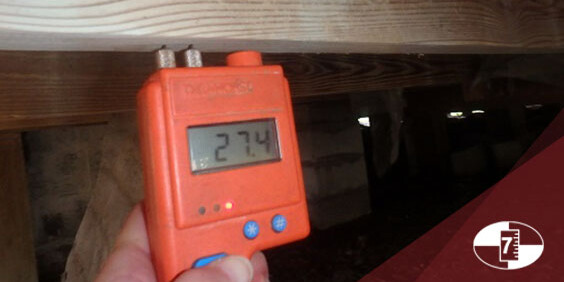
Onsite Engineering Assessments Tools of the Trade
Discover the essential tools and expertise that enhance the accuracy of forensic engineering assessments, supporting informed decisions in structural property claims.

Independent Corroboration: Receipts & Other Proof of Ownership Webinar Recording
Gain insight into proof of ownership strategies and investigative techniques to ensure property claims are accurate and fraud-resilient.

The Importance of Independent Corroboration in Property Claims and How To Do It Guide
Use these tips for independent corroboration about details related to theft, vandalism, water, and fire losses, as well as contractor concerns.

Simplifying Answers to Complex Claim Questions | The Savvy Adjuster Podcast Ep. 33
Alpine Intel’s Reza Nikrooz joins The Savvy Adjuster to explore claim settlement risks and how adjusters can improve accuracy in HVAC and electrical cases.

5 Sources for Video Evidence Guide
Discover where to find admissible video footage for your claims and how to navigate legal and ethical considerations when obtaining it.

Handling Video Evidence in Insurance Claims Guide
Learn how to properly collect, verify, and use video evidence to strengthen claim investigations, support negotiations, and ensure admissibility.

7 Qualities of an Ethical Claims Professional Guide
Build policyholder trust and settle claims more fairly by having these qualities of ethical claims professionals.

How Managers Can Strengthen Adjuster Support and Boost Retention
Strong management can improve adjuster experience and boost retention. Answer these crucial questions to ensure you’re equipping your team for success.

Adding Weather Data to Your Adjuster Toolkit Webinar Recording
Join Alpine Intel to learn how the experts couple weather data with onsite evidence to shed light on the actual cause of loss for properties reportedly damaged by hail, wind, and snow or rainfall.

Fabrications, Distortions, & Half Truths (The Truth About Lying) Webinar Recording
Be better prepared to spot lies in person and over the phone with Alpine Intel’s webinar The Fabrications, Distortions & Half Truths (The Truth About Lying) Webinar.
Alpine Intel’s content is meant to inform and educate readers using general terms and descriptions. They do not replace expert evaluations that determine facts and details related to each unique claim.