
Why Proper Handling of Video Evidence Matters

The proliferation of recording devices makes video evidence an increasingly important part of claims investigations. However, insurance professionals should follow best practices to properly obtain and handle video evidence as not doing so could jeopardize a claim, a carrier’s reputation, or even a case if it is used in law proceedings.
Learn more about what these best practices are and why proper handling of video evidence in claims investigations is critical for adjusters and investigators.

Video evidence comes in many forms, ranging from clips posted on social media to dashcam footage, but should be properly and lawfully obtained
Importance of Properly Obtained Footage
Video evidence can clarify events and identify subjects in a specific case. When properly handled and included in case files, it also provides authentic and accurate depictions of events, which can corroborate or contradict testimony. Regardless of whether the video evidence supports testimony, its retrieval should be documented and included in the appropriate case files.
Evidence not obtained, authenticated, and handled through established regulatory guidelines could make it inadmissible in court. That’s why documenting the chain of custody—how the evidence was collected, handled, and stored—helps preserve the integrity of the evidence.
Because modern technology makes altering or editing video evidence, including metadata, much easier, a lack of documentation would give the opposing legal team an opening to question whether or not the footage was manipulated.
When it comes to government-owned footage that requires a formal Freedom of Information Act (FOIA) or Sunshine Law Request, documentation is especially important. The caveat with procuring this video evidence is that laws vary by jurisdiction. Trained investigators, like those at VRC Investigations, stay up to date with legislation, making them aware of what to include in the request, how long the entity has to respond, and the likelihood of a fee being charged for the evidence.
Those submitting a FOIA or Sunshine Law request will need to provide as much detail as possible (time, date, location, etc.) to ease the burden on the government employee tasked with producing the footage and increase the likelihood that the request will be honored. However, even with detailed information, an entity can deny the request outright, state that they are unable to accommodate the request, or state that they can’t do so in the timeframe requested. In some cases, the response might note that a fee will be charged for time and duplication costs. Denials can be appealed but are not guaranteed to be successful.
How To Avoid Pitfalls That Could Compromise Video Evidence
Properly obtained and handled video evidence helps maintain the integrity of an investigation in several ways. Documenting each stage of the procurement process, staying aware of legislative differences among jurisdictions, and acting swiftly are important steps to the process. Maintain detailed records that show attempts to procure video, when the evidence was collected (date, time, and location), and the chain of custody once video was secured.
Even if the recordings seem like crucial evidence, they must be obtained lawfully, such as not violating privacy laws. Some situations, like being at home or while holding a private conversation, have a reasonable expectation of privacy. Understanding that consent to be recorded varies by jurisdiction is key. Some only require one-party consent for video or audio recording. Others require that all parties involved give permission to be recorded.
Also be aware of compatibility issues that might arise. Some footage is recorded on proprietary systems that might need specific software for viewing. Using a widely accessible player, like the VLC media player, or file conversion software is ideal. When no other options are available, capture a video of the video using your cell phone, ensuring that the date, time stamp and camera location are documented.
Conduct video analysis on copies while preserving the original file format and limiting access to only those who need to view the evidence. Even when analyzing a copy, continue to take copious notes that explain who is there and any processing or enhancement performed on the evidence—especially when it comes to verifying the video evidence’s authenticity.
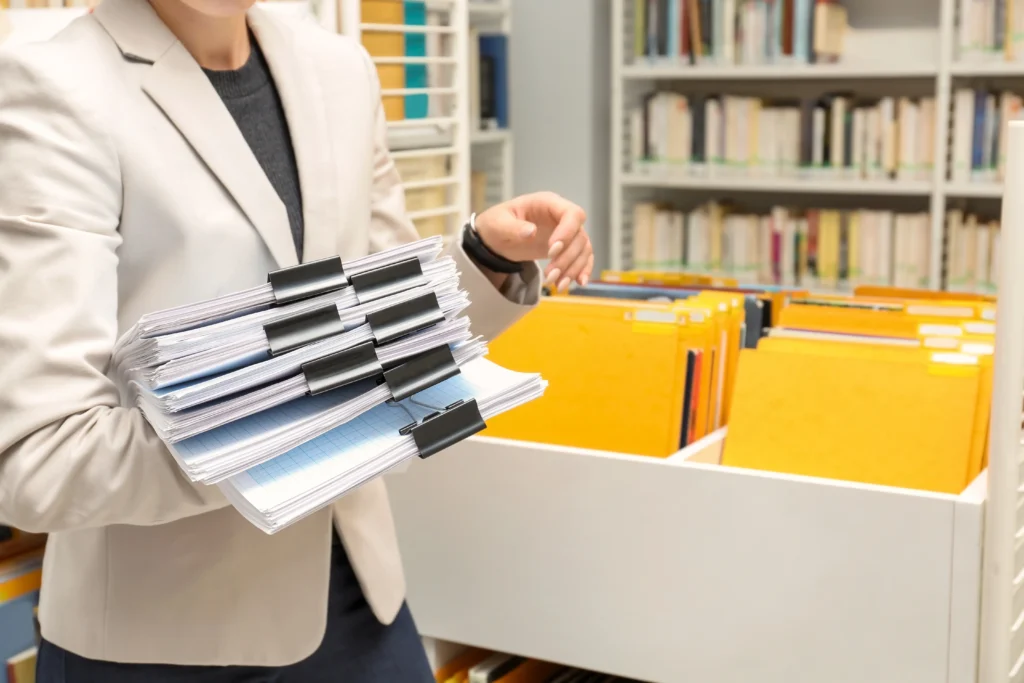
Keeping meticulous records, whether electronically or as hard copies, helps bolster evidence gathering and provides ample documentation for a claims investigation.
Timeliness is key as well, both to reduce the time it could be altered and to ensure recordings are preserved. Many recording devices are either on a loop and record over footage after a certain amount of time, or they only retain footage for a predetermined number of days. In Wisconsin, video on an automatic 72-hour recording loop isn’t required to be retained. The Transportation Management Center, an organization under the U.S. Department of Transportation’s Federal Highway Administration, also notes that bus security footage “is kept in on-board data storage until it is automatically overwritten.” If that footage is never downloaded, it’s not considered a record and isn’t required to be retained.
Where Can Investigators Find Video Evidence
Even while following all the necessary protocols, investigators have several opportunities to obtain video evidence to validate the facts of a claim. Businesses, vehicles, personal electronic devices, social media, home security systems, and government entities are among the first places to look, depending on the event being verified.
For instance, a workers’ compensation claim report might state that a collision occurred in a commercial fleet vehicle. Dashcam footage or red-light cameras could validate the claimant’s version of events. Each method has its own best practices and protocols for procurement compliance.
Once determining if the fleet vehicle has recording devices, contact fleet management or the company’s legal department to initiate the formal request process. Be as detailed as possible regarding the incident in question, including the date, time, and location. Red-light cameras, however, are government owned, meaning that in many cases the adjuster or investigator must submit a FOIA Request to the local entity.
Because of these nuances and technicalities to properly obtain, authenticate, and handle video footage, working with a leading insurance defense investigation firm ensures any video evidence found during an inquiry has been properly obtained and has a higher chance of being admissible if a case goes to court.
VRC Investigations’ team of skilled investigators work with integrity to confirm claim details, address potential misrepresentation, and enable clients to make confident and timely decisions during a claims investigation—especially when it comes to seeking out video evidence and procuring it in line with established regulatory practices.
If your claims query needs an experienced insurance defense investigation, submit an assignment to VRC Investigations.

Don’t miss insurance-focused resources and webinars about property, perils, and trends impacting claims nationwide by signing up for The Savvy Adjuster Newsletter.

Be sure to also tune in to The Savvy Adjuster Podcast to hear more from the experts themselves.
Alpine Intel’s content is meant to inform and educate readers using general terms and descriptions. They do not replace expert evaluations that determine facts and details related to each unique claim.
Related Resources
Handling Video Evidence in Insurance Claims Guide
Learn how to properly collect, verify, and use video evidence to strengthen claim investigations, support negotiations, and ensure admissibility.

5 Sources for Video Evidence Guide
Discover where to find admissible video footage for your claims and how to navigate legal and ethical considerations when obtaining it.
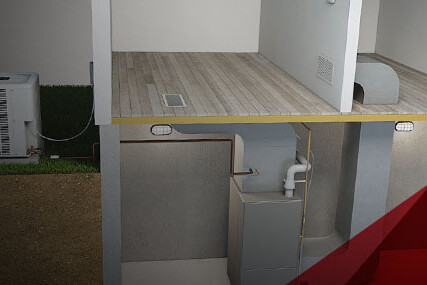
Split Systems Video
HVACi provides adjusters with the information they need, which is why we have created an easy-to-follow video explaining how traditional split systems work.