Why Independent Corroboration Matters in Claims Investigations

Independent corroboration, or using independent evidence to verify claim details, creates a strong foundation for claim decisions, provides protection from potentially fraudulent activity and reduces the risk of misrepresentation.
Adding independent corroboration to the process has many purposes, particularly related to property claims, including:
- Verifying claim details
- Determining value of losses
- Establishing ownership
- Determining or confirming coverage
- Determining or verifying a claimant’s identity
How Independent Corroboration Works and What To Look For
To independently corroborate the facts of a claim, an adjuster or skilled investigator needs dependent sources—information the claimant provides—for their starting point.
Those documents, files, and statements are checked against third-party materials that have no direct connection to the claimant. Police reports, credit card statements, or appraisal documents are among the possible third-party sources that might be sought out.
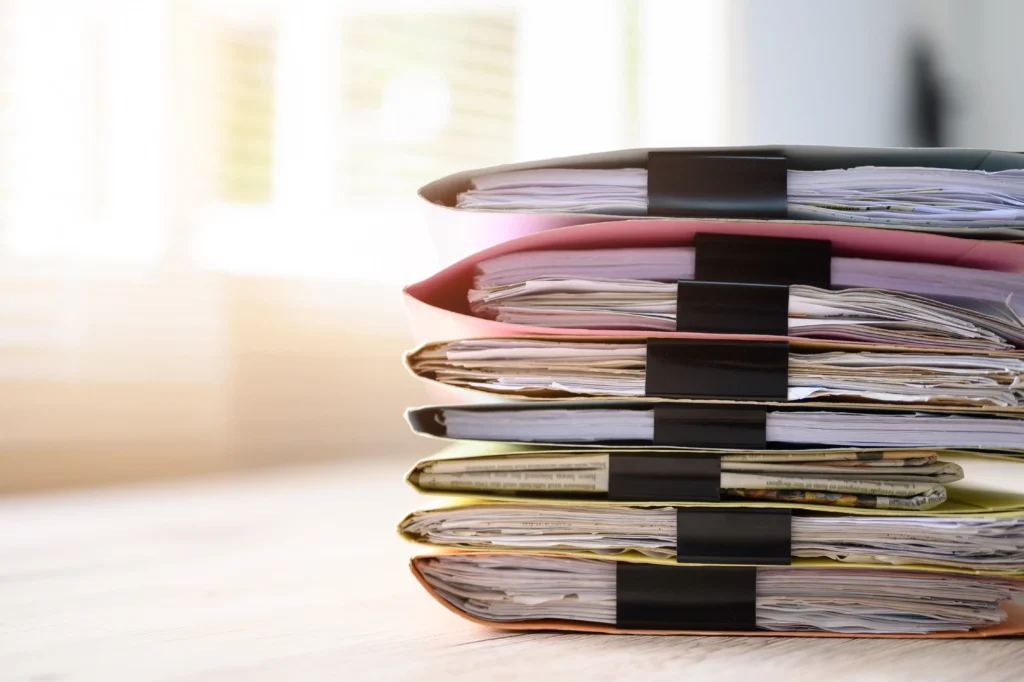
Claimants provide what’s called “dependent sources” to adjusters or skilled investigators. These are checked against independent sources like police reports and bank statements to verify facts in a claim.
Investigative partners can assist with obtaining these materials when adjusters determine further scrutiny is needed. They do this through canvassing, social media investigations, and applying open-source intelligence tools, along with other tactics.
Once all corroborating material in a property claim has been located, it is cross-checked with the dependent sources for:
- Losses that differ from a police report
- Roommates’ or other people’s property at the claimant’s residence
- Any potential suspects
- Any additional home keys
- How and when the event (theft, vandalism, etc.) was discovered
- Occupant’s whereabouts
- Ownership
- Coverage issues
Recognizing the necessity of independent corroboration helps adjusters find the best path forward for their claims, giving them the ability to know when and how to use it effectively.
When (and How) To Use Independent Corroboration
Independent corroboration can provide insights for a variety of claim types, including theft, vandalism, or other perils. Consider how the following causes of loss can be evaluated against information from the claimant.
Theft
If the claimant provides an inventory of lost items, the adjuster or investigative partner can procure police reports, receipts, order confirmations, bank statements, and photos. Similarly, if witness statements come directly from the claimant, neighborhood canvassing can validate them.
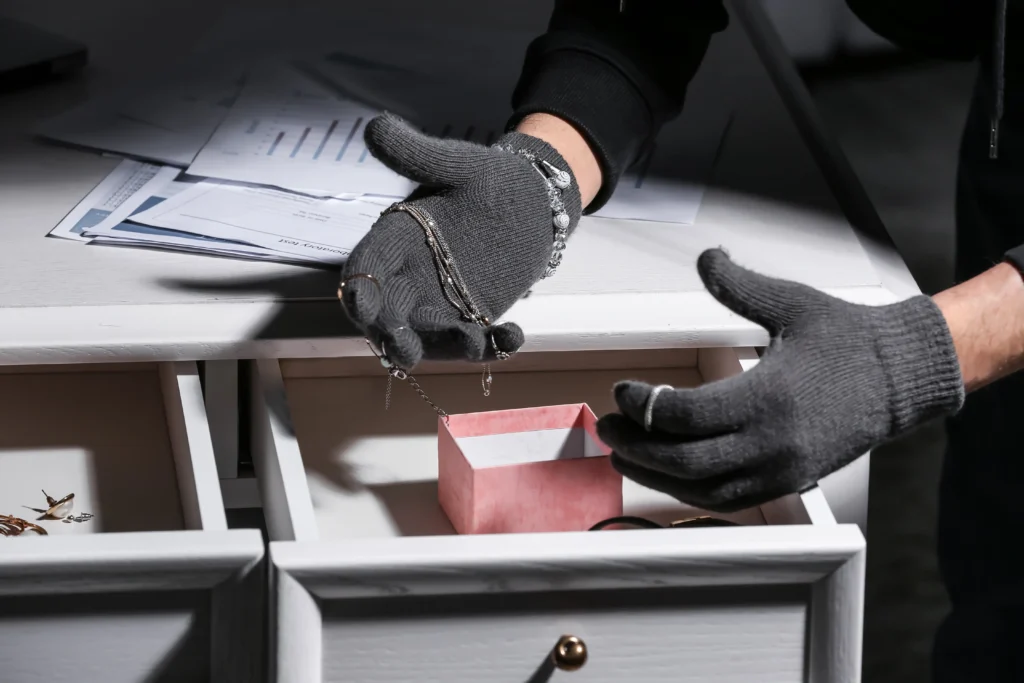
To independently corroborate a theft claim, investigators can compare bank statements and photos, among other types of documentation, with details from the claimant.
Vandalism
When corroborating a vandalism claim, the insured might share information about claimed damages or the occupancy status of a property. Those details can be checked through neighborhood canvassing and tenant statements, by obtaining utility or rent records, or locating potential third-party witnesses like property maintenance workers.
Water loss
In a water loss claim, the insured could offer details related to reported water damage or a broken toilet supply line. Each scenario requires a different approach for corroboration.
Water damage statements can be confirmed through utility records, ISO-prior claims, and remediation or contractors, if they were involved. An interview with a plumber and a review of toilet repairs would be appropriate for that situation.
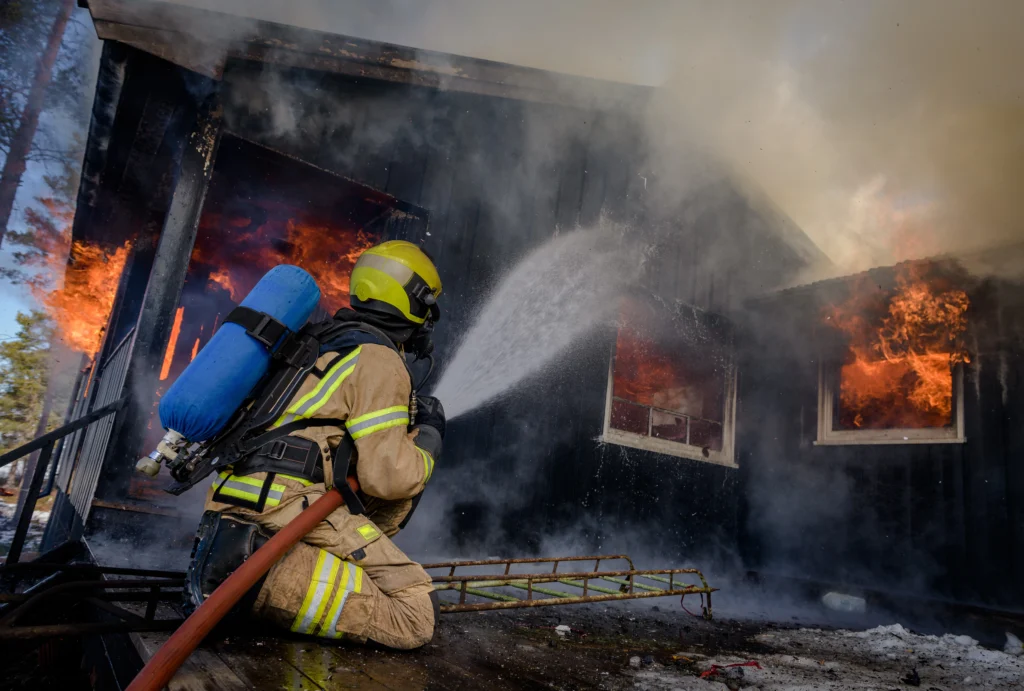
A fire loss could require interviews with a fire marshal or other experts who can help verify the facts.
Fire loss
The insured in a fire loss claim might share what they believe caused the blaze or that there were no witnesses associated with the loss. Adjusters or investigative partners would interview experts, such as a fire marshal, and/or request lab results to review. They could also collaborate with certified fire investigators to determine origin and cause.
The insured’s information can also be corroborated through a fire report, initial findings from the fire marshal, O&C initial findings, a neighborhood canvass, verifying the claimant’s whereabouts, and a scene inspection.
Workers’ Compensation
Workers’ compensation claims may also warrant independent corroboration. Take for instance an auto collision. If a claimant states their company vehicle was struck in an intersection when they had the right-of-way, securing dash cam footage and police reports could substantiate their version of events. Or, if the claim involves a medical diagnosis or injury, a medical canvass or review of workplace security footage could be conducted.
Why Independent Corroboration Is Needed
Independent corroboration ensures accuracy, determines fair replacement value, and confirms that the insured’s policy applies to the loss. Plus, third-party sources establish accurate valuation and are difficult to manipulate.
Using this data-gathering method improves a carrier and adjuster’s reputation and credibility while showing dedication to the truth. But remember, seeking corroboration does not necessarily indicate misrepresentation or mean that misrepresentation will be found.
VRC Investigations’ skilled investigators, who are committed to integrity and collaboration, leverage a fact-driven approach to deliver actionable insights. Through detailed reports, they empower clients to make confident decisions while swiftly addressing potential misrepresentation and minimizing risk exposure. Submit an assignment today.

Don’t miss insurance-focused resources and webinars about property, perils, and trends impacting claims nationwide by signing up for The Savvy Adjuster Newsletter.

Be sure to also tune in to The Savvy Adjuster Podcast to hear more from the experts themselves.
Alpine Intel’s content is meant to inform and educate readers using general terms and descriptions. They do not replace expert evaluations that determine facts and details related to each unique claim.
Related Resources

The Importance of Independent Corroboration in Property Claims and How To Do It Guide
Use these tips for independent corroboration about details related to theft, vandalism, water, and fire losses, as well as contractor concerns.

Conducting Social Media Investigations for Claims Assignments
Social media investigations can validate facts during a claims probe. Learn more about this practice and how an investigative partner can help.
Why the Scientific Method Matters to Forensic Investigations
The scientific method is a tried and true method of examining evidence to arrive at a conclusion that’s unbiased and supported by facts.