Why a Single-Line Chain of Custody Can Be Important for Subrogation

It’s no secret that pursuing subrogation requires you to be exceptionally intentional. Before you can even begin to prove a manufacturer or installer is responsible for a loss, you need to document and carefully track any evidence you have as it is transported and tested.
Understanding the path your evidence will take—from a policyholder to testing and storage—is a great place to start. Once you’ve examined each step in this journey, it will become evident that, if possible, maintaining a single-line chain of custody can help maximize subrogation success if you’re considering holding a third party accountable for the loss.
What Is a Single-Line Chain of Custody?
When you consider pursuing subrogation for an appliance or component, you’ll likely need to have it tested by an expert so that you can determine the cause of failure. This might mean transporting that item offsite to a specialized laboratory to be tested by an engineer.
A chain of custody is the pathway this evidence takes as it is collected, transported, analyzed, and stored. If you can document and account for every step along this journey, whether the evidence switches hands or stays with the same evidence management partner, you have maintained a “single-line ” chain of custody.
Why Does a Single-Line Chain of Custody Matter for Subrogation?
While it’s not always possible, knowing each of the different parties who handle your evidence can be game-changing. Because subrogation often depends on your ability to prove that a third party is responsible for a loss and demonstrate that the product in question has not been altered since its failure, proper documentation of your evidence’s journey can be crucial. Without this record, you risk being unable to prove the product’s condition has not changed since its failure.
Reducing how many times evidence switches hands can also make it easier to keep a single-line chain of custody. If the same party that documents your evidence through photographs and data collection also transports your policyholder’s failed products, you can establish a clear record of the product’s path to be used in a court of law.
A single-line chain of custody also means knowing where your evidence will be stored securely beyond testing. With subrogation, you never know how long you’ll need to keep failed products or components on hand, so having a dedicated, safe space to store evidence is paramount.
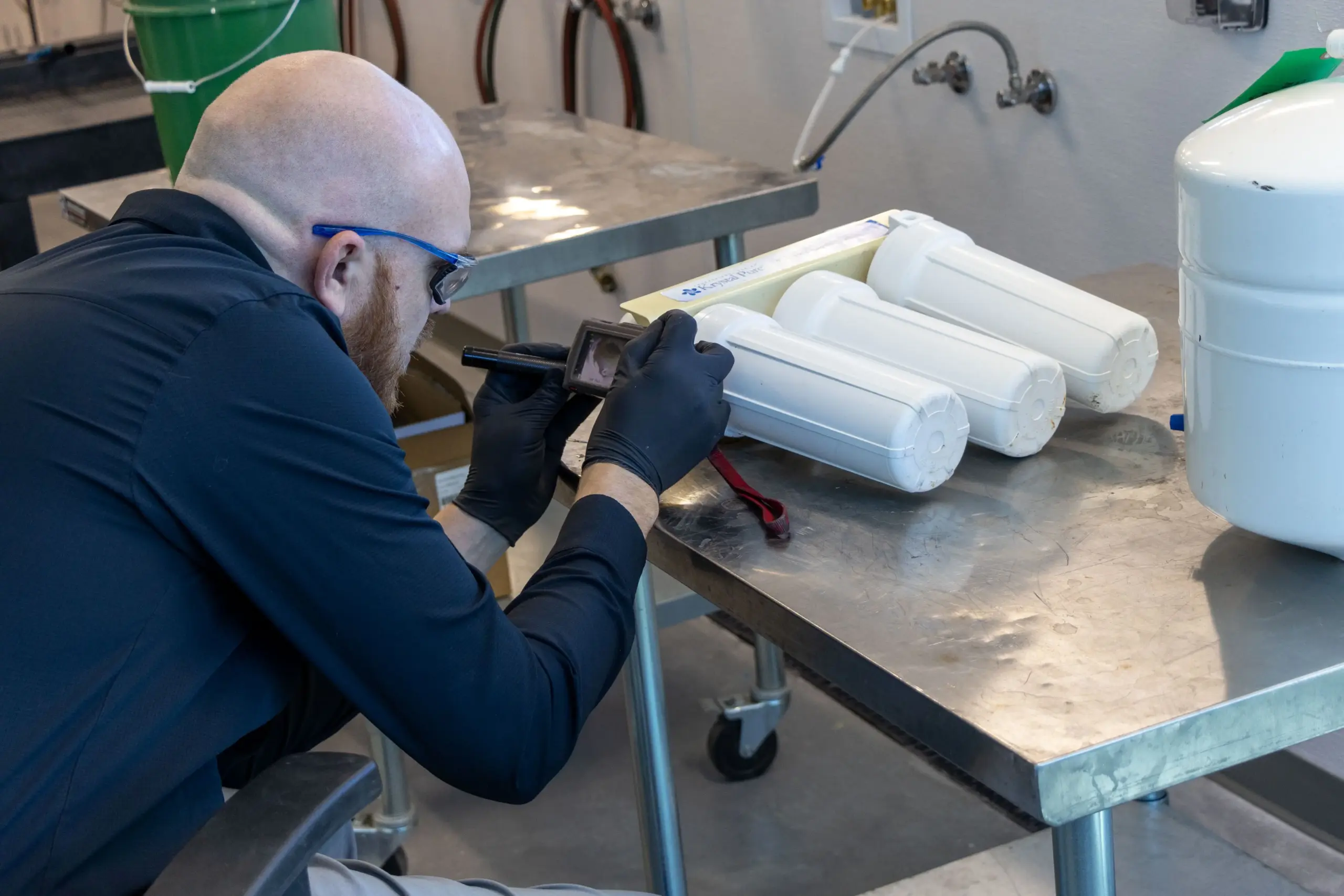
All evidence is thoroughly documented and photographed upon arrival and during testing at either of Donan’s two Component Testing Lab (CTL) facilities.
How Can You Keep a Single-Line Chain of Custody?
Now that it’s clear a single-line chain of custody is helpful when trying to pursue subrogation, you may be wondering just how you can successfully document each milestone in your evidence’s journey. Let’s break it down into two key steps.
1. Collect Evidence As Close to the First Notice of Loss As Possible
Make sure to gather information such as serial and product numbers, take pictures of the failed product, and speak with the policyholder as close to the First Notice of Loss (FNOL) as possible. Note any information about the failure that may prove important down the line before the evidence is packaged for shipping. Documenting the evidence here, as well as at every other stage, can reduce the risk of evidence being misplaced, tampered with, or unaccounted for.
Sometimes, you may run into challenges in this initial stage. Scheduling a timely pickup can prove tricky if the policyholder doesn’t understand what subrogation is. Doing your best to communicate subrogation’s benefit for the policyholder can make this first phase run more smoothly.
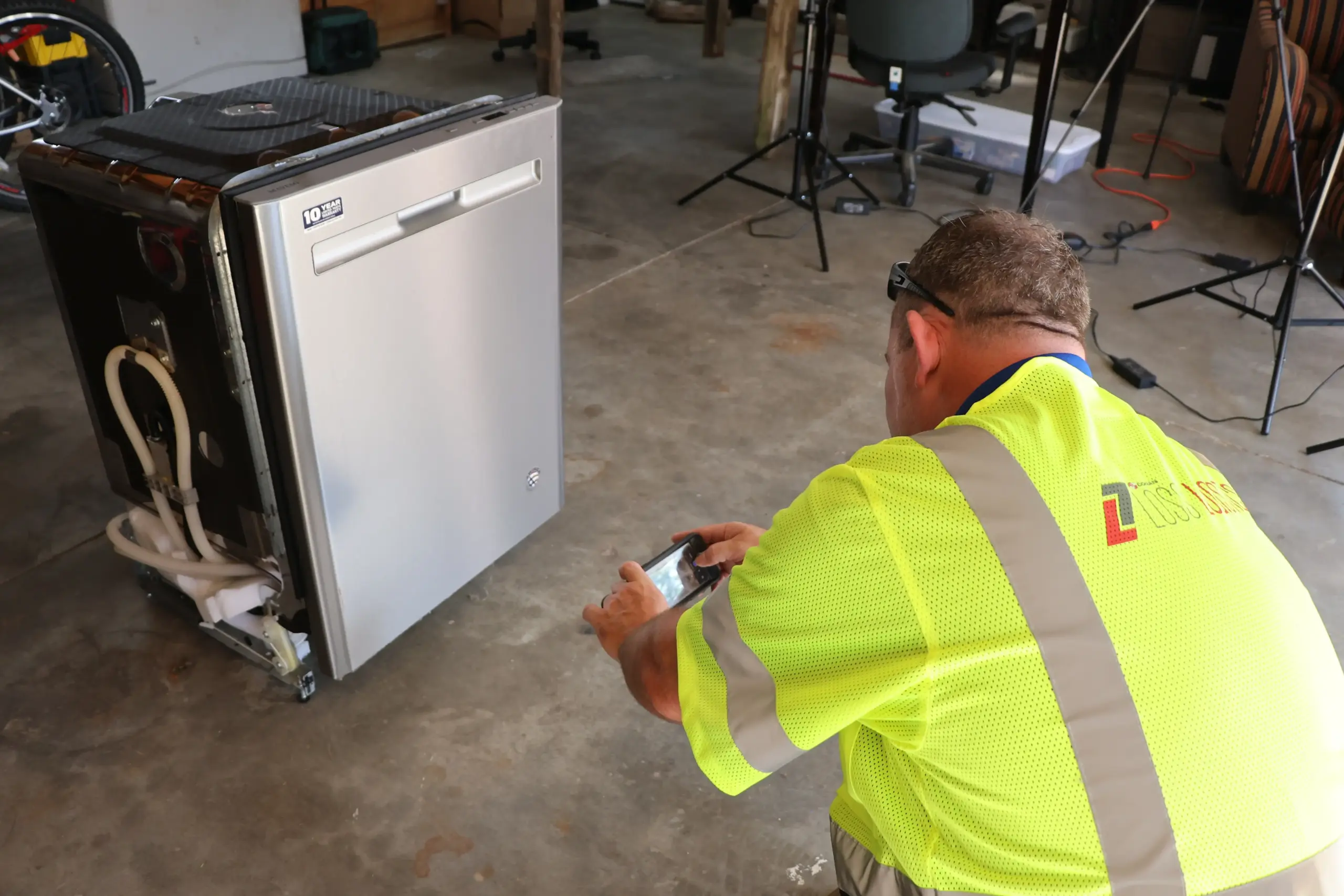
CTL’s Loss Logistics team carefully photographs evidence, from collection to testing, to keep thorough documentation throughout the chain of custody.
2. Photograph, Document, Test, and Store Evidence Securely
While keeping track of who is packaging and shipping may be critical steps in a single-line chain of custody, you can’t forget about the importance of documenting evidence once it has reached each destination. Wherever you entrust your evidence for testing, verify that the provider will photograph and clearly document the failed product upon arrival. These records may prove helpful in making your case for subrogation, should the experts find proof that a manufacturer, installer, or other third party was responsible for the product failure.
After testing, you may need to access the evidence again, potentially even months or years after its initial analysis. Knowing and having a clear record of where evidence is being safely stored will help you maintain your single-line chain of custody, in addition to aiding in preserving the evidence’s integrity. For a real example of the difference a single-line chain of custody affords in cases of subrogation, check out this Dishwasher Water Loss Failure Case Study.
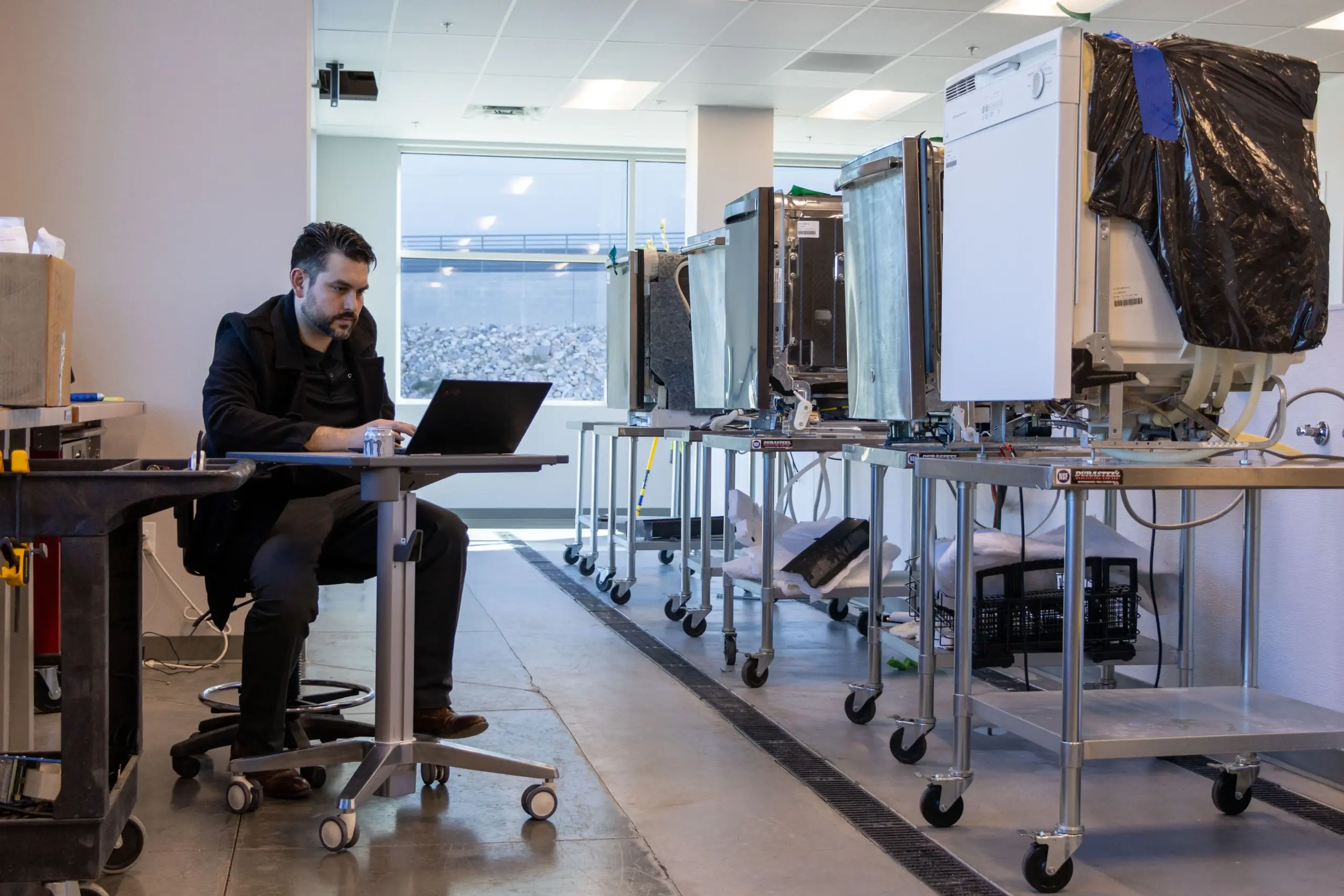 Donan CTL’s professional engineers examine and test all types of appliances and products to determine an accurate cause of failure per the scientific method and empower insurance professionals to make confident decisions when deciding whether to pursue subrogation.
Take Steps to Preserve Evidence in Addition to Documenting It
While a single-line chain of custody can be highly useful for the legal process of subrogation, safeguarding evidence from spoliation is also important; properly preserved evidence can help you make your case. So what practices aid in keeping evidence from unnecessary damage?
Employing an expert in evidence management to package larger products can make a big difference. These experts will understand the importance of preserving the evidence as it is at the FNOL. They can use customized packaging and years of experience to safeguard your evidence, whereas some traditional shipping companies don’t always prioritize keeping damaged products safe. They see that the product is already defective, but you know that additional denting, crimping, cracking, or general damage can compromise your evidence.
Along its route, evidence may also move from entity to entity, compounding the opportunity for damage to occur or even for evidence to be lost. Shipping delays are also a concern, since it is best to test evidence as close to the FNOL as possible.
To mitigate these anxieties, a dedicated partner, like Component Testing Laboratories (CTL), can prove critical. They are more likely to understand the need to document and preserve evidence throughout the testing and storage process—and can provide documentation to show a single-line chain of custody.
Bringing it All Together
If sustaining a single-line chain of custody feels daunting, know that there are experts you can turn to who are ready to help. For example, CTL’s Loss Logistics service works to safely deliver evidence so that the Professional Engineers at the CTL can answer complex subrogation questions. CTL, part of Alpine Intel’s suite of services, operates as two full-service facilities to address all your product failure needs as close to FNOL as possible.
Submit an assignment to experience the difference CTL can make on a potential subrogation claim.

Don’t miss insurance-focused resources and webinars about property, perils, and trends impacting claims nationwide by signing up for The Savvy Adjuster Newsletter.

Be sure to also tune in to The Savvy Adjuster Podcast to hear more from the experts themselves.
Alpine Intel’s content is meant to inform and educate readers using general terms and descriptions. They do not replace expert evaluations that determine facts and details related to each unique claim.
Related Resources
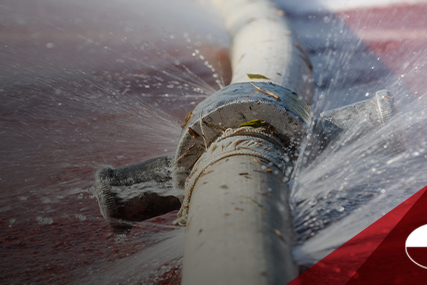
Subrogation Basics for Claims Adjusters Guide
The subrogation process can be challenging for adjusters due to legal complexities and the importance of preserving solid evidence. Gain insights into the fundamentals of subrogation with our guide.
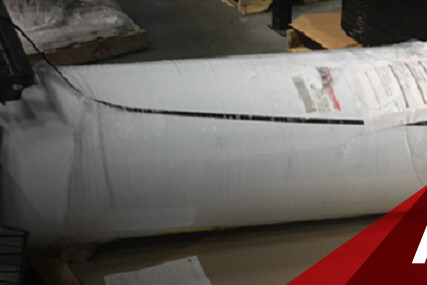
Take 5: Plumbing Damage and Subrogation | The Savvy Adjuster Podcast Ep. 6
We discuss importance of identifying subrogation potential, common plumbing losses seen in the CTL, what the experts look for to determine if the failure was caused by a manufacturer’s defect, and exploding toilets.
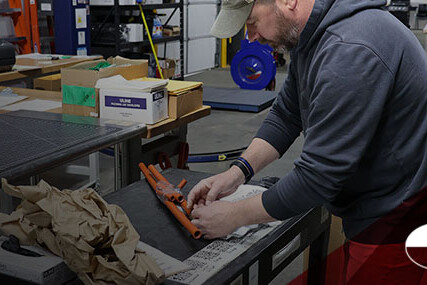
Five Ways To Streamline the Subrogation Process
Successful subrogation ensures you recover the costs of settling the claim while making the insured whole. It seems like a win-win situation. So why is it an underused option when it comes to product failures?