When Lack of Maintenance Leads to a Claim

It’s easy to ignore unseen components in a home when everything is running smoothly. In fact, 68% of homeowners admit to not following a home maintenance routine, according to a study by BusinessWire. Though not all damages caused by wear and tear can be prevented through upkeep alone, basic maintenance measures may avoid many insurance claims. Understanding the results of overlooked maintenance can help you recognize indicators of wear and tear to ensure that an inspection accounts for all possible causes of loss.

Some signs of poor upkeep are obvious, but often the equipment and elements that end up in claims because of neglected maintenance are in areas homeowners don’t often see.
Simple Upkeep of HVAC Systems May Avert Claims
In 2022, 34% of residential HVAC systems HVACi assessed were determined to have wear and tear as the cause of loss. In some of these cases, the equipment damage could have been prevented with routine precautions, such as changing HVAC filters and having the system inspected and serviced at regular intervals.
Homeowners should also perform visual inspections like:
- checking the battery in the thermostat
- ensuring that the space surrounding the equipment is free of dust and clutter that could keep it from operating at peak efficiency
- identifying issues with visible ductwork such as loose fittings or tears.
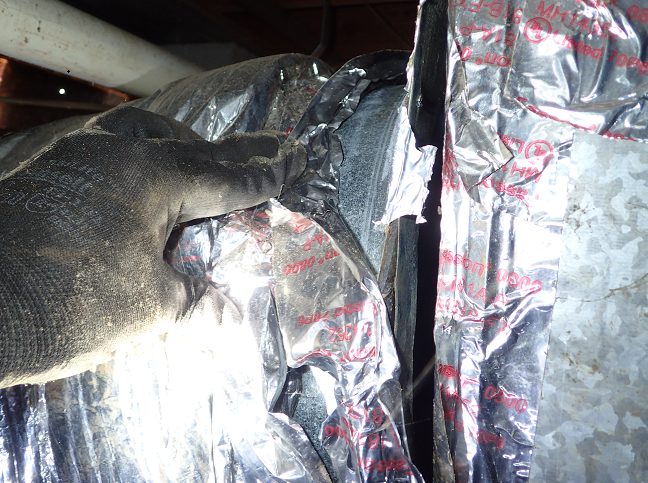
Gaps in ductwork are among the damages that can reduce the life of an HVAC system, but quick detection can prevent ongoing wear and tear.
Neglecting HVAC maintenance can lead to poor air quality and drastically shorten the life of the system. An adjuster requested HVACi to determine the cause of loss to a residential split system. After an onsite assessment, the HVACi team confirmed that the damage was due to wear and tear because the system had not been adequately maintained. As a result, the furnace blower capacitor measured below its rated tolerances. Additionally, the assessment found that other furnace components such as the flame sensor were dirty.
If coverage was afforded, the equipment could be repaired by replacing the capacitor and cleaning the furnace, which would restore the split system to pre-loss condition without a full replacement. However, the claim could have been avoided entirely with basic maintenance on the part of the homeowner.
Proper Maintenance Goes All the Way to the Roof
Because they’re difficult to access, attics and roofs are often overlooked until something goes wrong. While neither you nor your policyholders need to be experts on roof construction and potential issues, it helps to know how maintaining the often hidden parts of a house can reduce costly and time-consuming claims for wear and tear.
Visual inspection can locate the presence of animals before an infestation becomes a problem. Periodically assessing the roof and attic structure can also identify areas that are at risk for water intrusion, worn or missing shingles, and loose or missing insulation. Unchecked, these issues will worsen and lead to more widespread damages.
Homeowners can also take action to prevent wear and tear to their roofs and attics. Cleaning the gutters to remove debris from the drains stops water from backing up, which may lead to water intrusion and even shorten the lifespan of the roof structure. Trimming back overhanging limbs protects the roof from scrapes, punctures, and impact damage, especially during high winds.
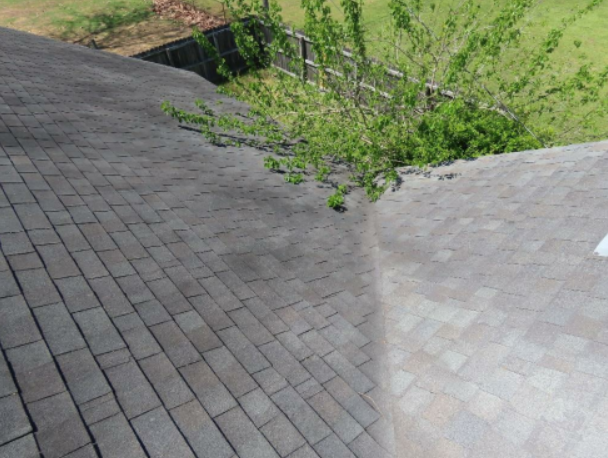
Branches resting on a roof can lead to puncture, scrapes, and tears in the roof covering, which creates an opportunity for water intrusion and infestations.
Donan forensic engineers were called to determine whether an asphalt-shingle roof was damaged by hail. The lack of collateral damage, such as dents to gutters and downspouts, and the lack of circular areas of granule loss on the shingles indicated that hail wasn’t the cause of loss. However, widespread granule loss and older punctures existed on the roof surface, attributable to branches overhanging the roof. Larger trees are capable of greater damage, so homeowners should be aware of the dangers posed by nearby growth.
Keep Electronics Humming Along
Electronics and electrically powered specialty items are often taken for granted as they make our lives more comfortable, convenient, and entertaining. But paying attention to how they function and doing what’s needed to keep them operating at peak efficiency is part of being a responsible policyholder.
For example, washing machines and clothes dryers work best if loads are evenly distributed and the equipment isn’t overloaded. Other measures, like cleaning and replacing the water hose to a washing machine as needed, can stave off water losses involving appliances.
Maintaining dryers, for example, isn’t just a matter of keeping a machine healthy to avert a claim; it can also be a safety measure. Lint and other particles are the leading cause of dryer fires, according to the National Fire Protection Association, so cleaning the lint trap between each load is a necessary precaution.
Maintenance becomes more necessary as equipment ages. For example, StrikeCheck assessed a water heater that was no longer functioning as intended. The inspection found that sediment had built up inside the water heater, obstructing the flow. This type of damage can be the result of failure to flush out the system regularly.

Rust, such as that at the bottom and on the sacrificial anode of this water heater, can lead to leaks and may be the result of failing to clean out the system or keep connections tight.
Deferred upkeep can lead to other losses throughout a property as well, and not all wear and tear is the result of neglected maintenance. However, sharing tips on maintenance and how to prevent failure to HVAC, structural, and electronic elements can help you foster a good relationship with your policyholders and avoid wear and tear claims.
It’s important to confirm the cause of loss through an unbiased assessment partner before you make a settlement decision. Submit an assignment to learn how Alpine Intel’s suite of services, including HVAC inspections, forensic engineering evaluations, and electrically powered equipment inspections, can help you with your property loss claims.

Don’t miss insurance-focused resources and webinars about property, perils, and trends impacting claims nationwide by signing up for The Savvy Adjuster Newsletter.

Be sure to also tune in to The Savvy Adjuster Podcast to hear more from the experts themselves.
Alpine Intel’s content is meant to inform and educate readers using general terms and descriptions. They do not replace expert evaluations that determine facts and details related to each unique claim.
Related Resources
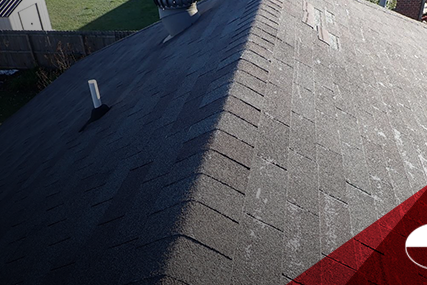
Roof Damage Claim Case Study
Using a real-life hail-related roof claim, you’ll find out how our licensed engineers determine an accurate conclusion through interviews, property inspections, research, and testing.

Commercial Claim Guide: Chiller Basics
Claims involving commercial HVAC equipment can be complex, particularly when it comes to chillers. Determining the cause of loss, scope of repairs, and an accurate settlement amount can be daunting for even the most experienced adjuster.