Water & Smoke Damage: Fire’s Hidden Impact on Business-Critical Equipment

Key Takeaways
This adjuster-focused piece covers:
- How water and smoke silently corrode business-critical electrical equipment
- The scientific wipe sampling process experts use to assess smoke damage
- Why equipment needs to be stabilized and assessed promptly post-fire
After a commercial fire, there’s often a significant amount of claimed property to evaluate for damage, including business-critical electrical equipment.
While flames and extreme heat can cause visible melting and warping to these items, hidden threats from water and smoke can also corrode their internal elements.
To ensure fair and accurate claim resolutions from the start—and to prevent claim reopenings or larger future losses—property adjusters must account for all equipment damage, both seen and unseen. They also should act promptly, as damage can occur quickly and compound with time.
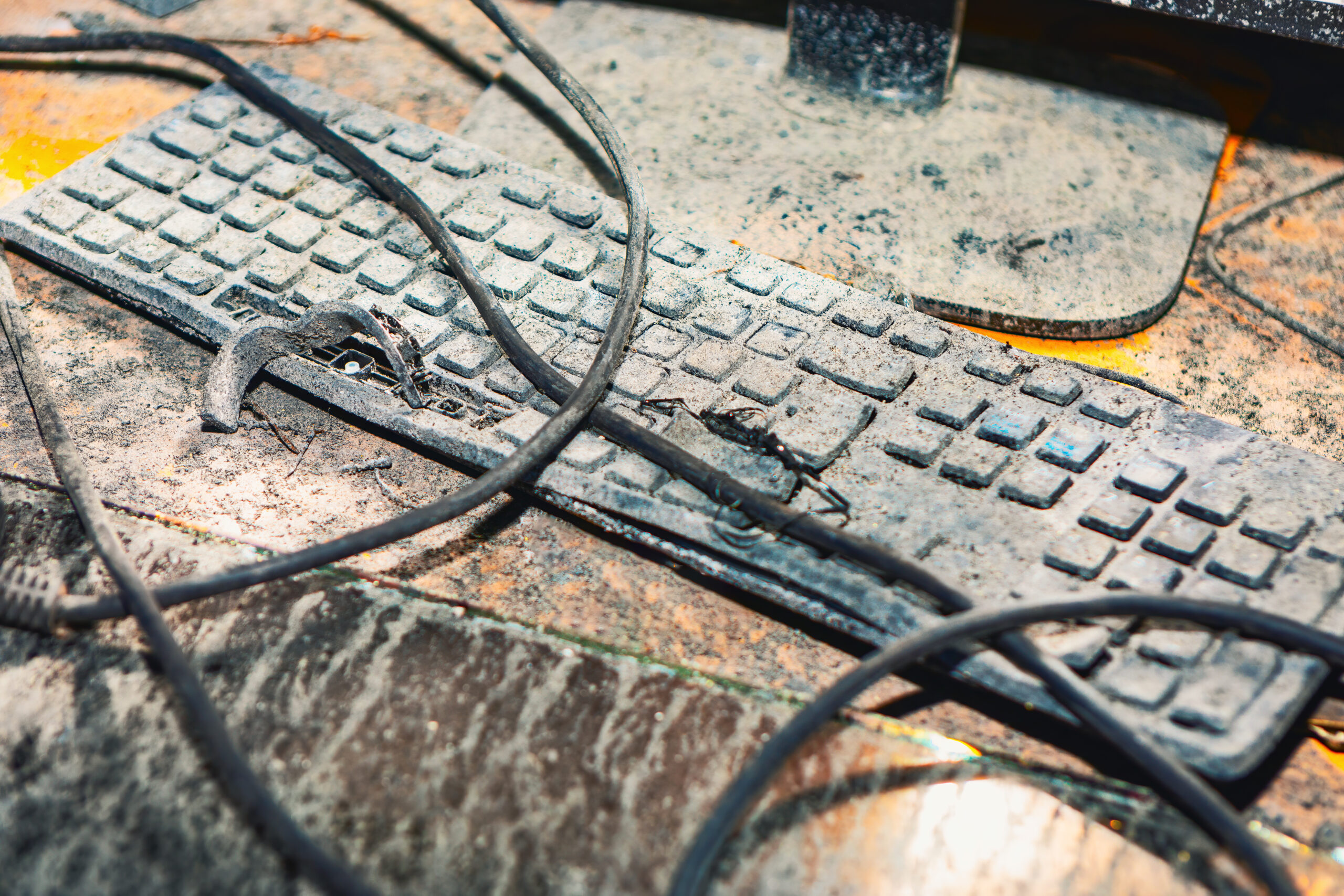
Smoke and water can both degrade commercial equipment in the wake of a fire, making it important to act quickly to address related claims.
Water Damage From Fire Suppression Efforts
Fire suppression systems, such as sprinklers, may save the property (and equipment) from flames, but they often leave behind water damage.
The source, type, and duration of water exposure are all important considerations when evaluating the extent of water damage to claimed electrical equipment. Clean water is less harmful, while black water, filled with contaminants, can cause more severe corrosion and damage. Prolonged exposure makes recovery even more difficult, so stabilizing equipment quickly is critical.
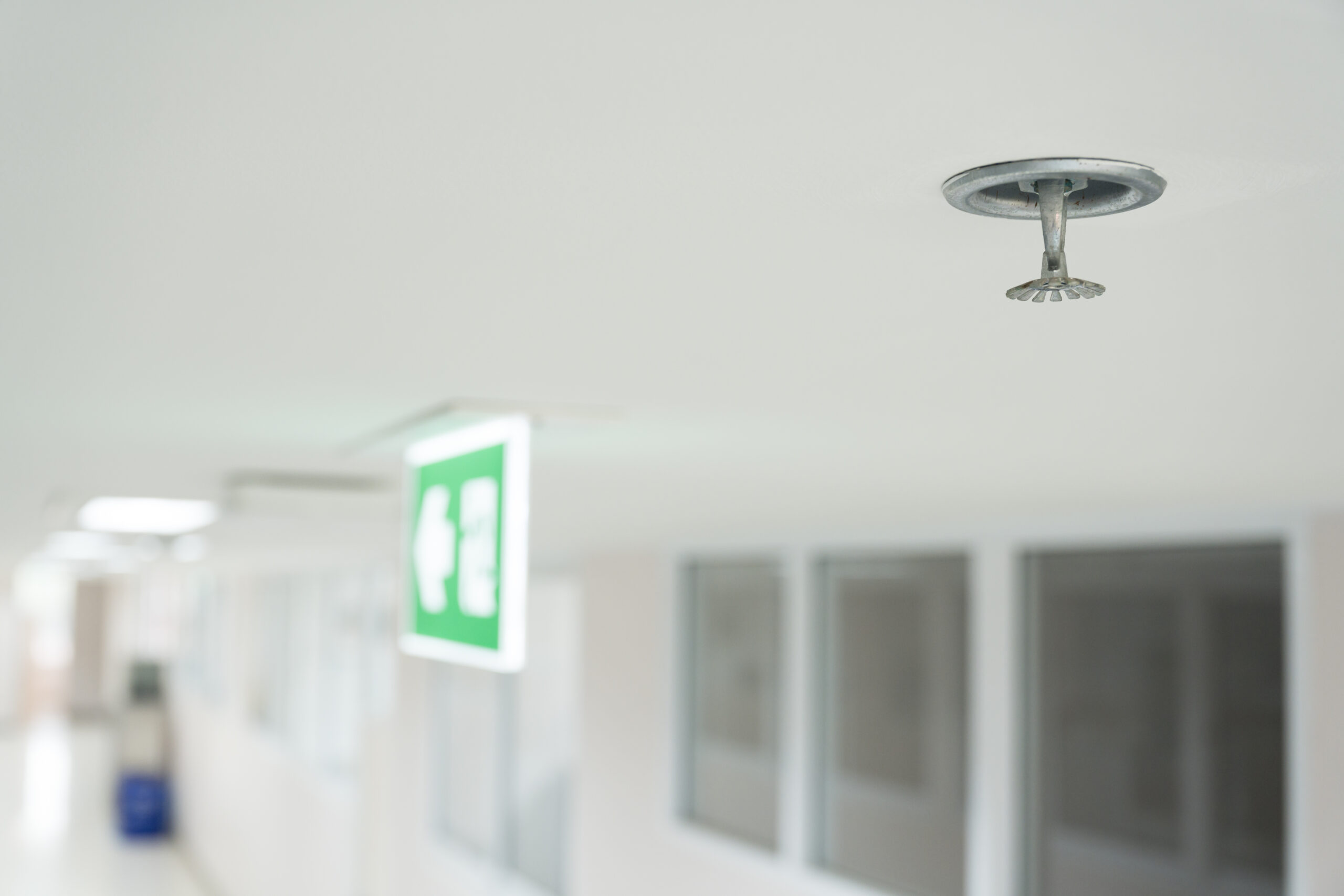
Sprinkler systems can be triggered during commercial fires and cause water damage to business-critical equipment.
In addition to water damage, firefighting efforts can introduce debris, such as fallen ceiling materials or insulation, to the equipment. Both powder and foam-based fire suppression chemicals are corrosive to metals over time and require thorough cleaning to remove.
An objective expert should be able to assess any equipment damage related to fire suppression efforts and provide actionable conclusions about its scope and next best steps.
How Smoke Corrodes Business-Critical Electrical Equipment
Fires release sulfates and chlorides into the air via smoke, which settle on and can be pulled into electrical equipment via cooling fans. When these particles mix with moisture or humidity, they form hydrochloric and sulfuric acid, which over time can corrode internal components and lead to equipment failures.
While signs such as residue, pitting, or discoloration may suggest smoke contamination, visual inspections alone are not enough to determine the full extent of the damage. Proper evaluation requires specialized expertise and a comprehensive assessment of the equipment and its inner workings.
Using Scientific Wipe Sampling to Assess the Scope of Smoke Damage
One important method experts employ to quantify smoke contamination is called scientific wipe sampling. This process involves collecting samples from specific equipment surfaces (internal, external, and near fans that may have drawn in smoke). These samples should be carefully preserved and sent to a trusted lab for analysis. Expert consultants can then analyze the results using Department of Energy standards to determine the impact the smoke will have on metal surfaces and electronics. This approach enables adjusters to make sound, fair claims decisions based on scientific fact, rather than speculation and the equipment’s outward appearance.
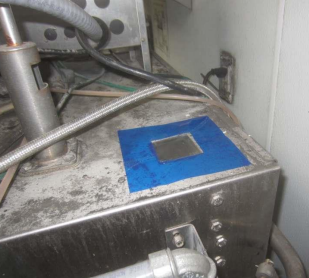
Scientific wipe samples allow experts to objectively and accurately determine the level of smoke damage to business-critical equipment. Results from this process could impact claim decisions.
Stabilizing Equipment and Determining Next Best Steps
Time is of the essence after a commercial fire. Not only do policyholders want to resume normal operations quickly, but corrosion can also set in rapidly—even in a matter of hours. Having experts on-site to stabilize and clean equipment as close to the first notice of loss as possible can slow this destructive process.
Depending on the type and extent of damage, these professionals may use techniques such as:
- Wet and dry cleaning
- Ultrasonic cleaning
- Moisture removal via convection oven
- Contamination removal via vacuum
- Steam cleaning
- Using abrasive cleaners
After equipment has been stabilized, it should be fully assessed by objective, experienced consultants who can recommend next best steps for restoring equipment to pre-loss condition, whether that be through repair or replacement.
A true equipment assessment partner should go beyond evaluations and handle additional responsibilities to help the claims process go smoother. This includes coordinating repairs and ensuring vendor estimates align with market-value costs and Like Kind and Quality standards. Following a smoke or water loss, equipment maintenance agreements are also often cancelled by the service providers. Your assessment partner should be able to assist in getting these equipment maintenance agreements reinstated or in locating new service providers to ensure that the involved equipment is truly restored to pre-loss condition.
TechLoss Consulting & Restoration, part of Alpine Intel’s suite of services, offers these comprehensive solutions for complex technical claims involving business-critical commercial equipment and high net-worth residential systems nationwide.
Submit an assignment today for expert support with equipment claims involving fire, water, smoke, or other perils.

Don’t miss insurance-focused resources and webinars about property, perils, and trends impacting claims nationwide by signing up for The Savvy Adjuster Newsletter.

Be sure to also tune in to The Savvy Adjuster Podcast to hear more from the experts themselves.
Alpine Intel’s content is meant to inform and educate readers using general terms and descriptions. They do not replace expert evaluations that determine facts and details related to each unique claim.
Related Resources
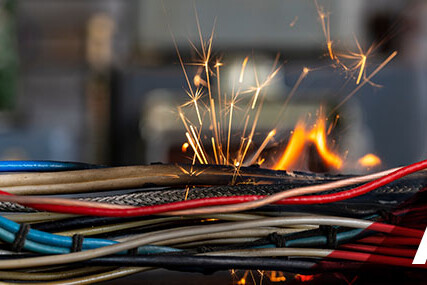
Smoke and Fire Impacts to Business-Critical Equipment | The Savvy Adjuster Podcast Ep. 41
Hear how smoke and fire can bring business to a standstill when critical equipment is impacted, and learn steps in the fire damage restoration process.
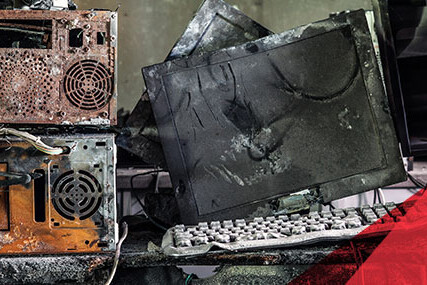
Assessing Business-Critical Equipment After a Fire Loss Guide
Learn how experts assess commercial electrical equipment after a fire; address smoke, heat, and water damage; and provide recommendations for repairs or replacements.
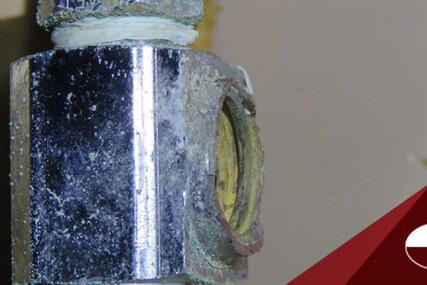
Water Damage Claim Case Study
Discover how Donan’s licensed forensic engineers determined the cause of a water leak that damaged walls and ceilings in a recently vacated property.