
Top 5 Strongest Atlantic Basin Hurricane Seasons Since 2000
Since 2000, nearly 20 major hurricanes, defined as reaching Category 3 or higher on the Saffir-Simpon Hurricane Wind Scale, have made landfall in the U.S.
And there’s no sign that the heightened hurricane seasons of this century are slowing down anytime soon. In May, the National Oceanic and Atmospheric Administration (NOAA) forecasted above-average activity for the 2025 Atlantic hurricane season, a prediction they reaffirmed in August. This comes after the 2024 hurricane season that had 27 billion-dollar disasters resulting in $182.7 billion in damages.
For adjusters, more catastrophic storms mean more complex HVAC-related and other property claims to navigate. However, reflecting on recent hurricane seasons can offer valuable lessons for the future. Here are the top 5 worst hurricane seasons in the Atlantic basin since 2000, chosen by the number and severity of the storms and listed in no particular order.
The 2008 Hurricane Season
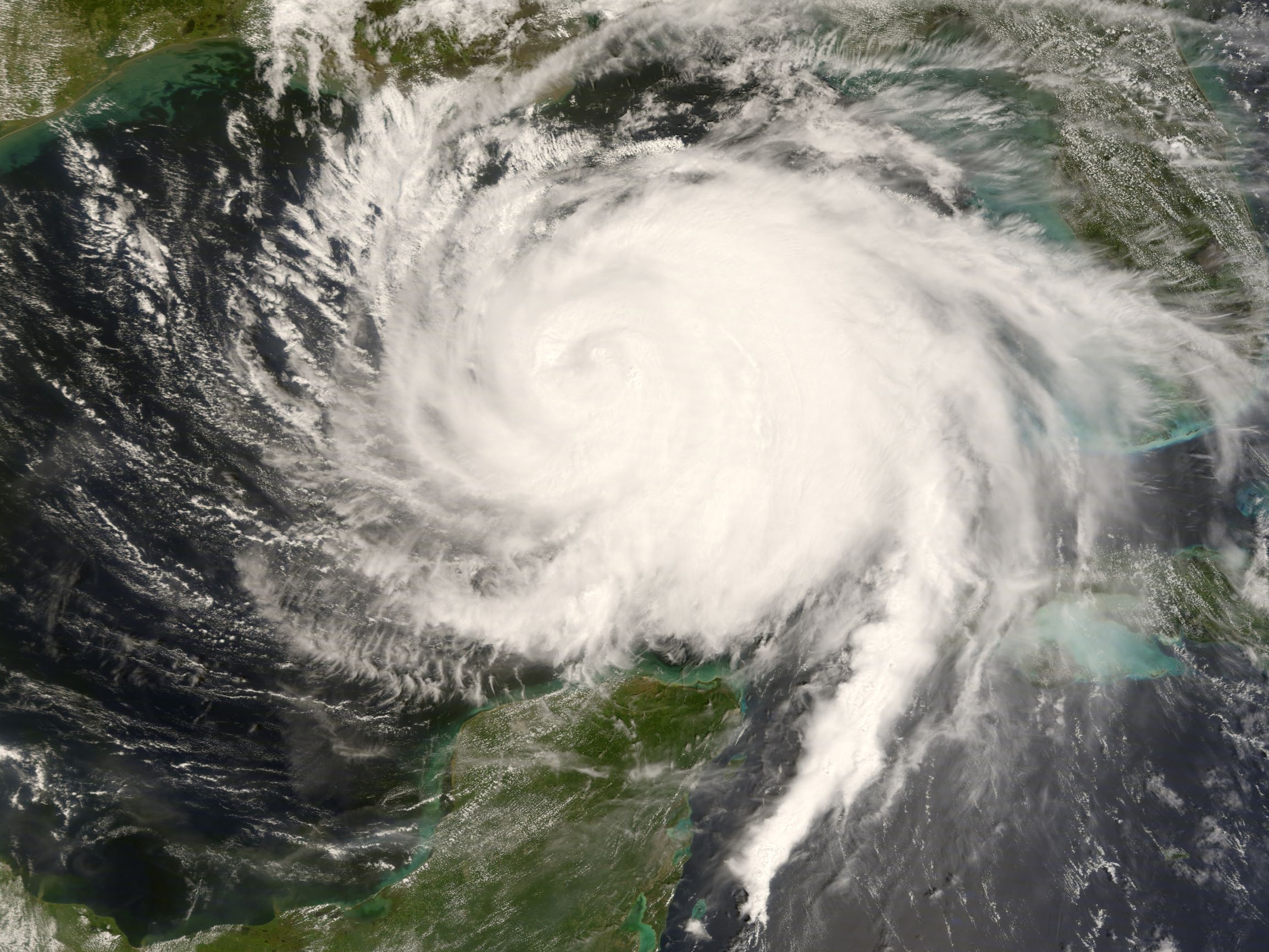 This NASA image of Hurricane Ike was created by Jesse Allen, using data provided courtesy of the MODIS Rapid Response team. (Photo Credit: Earth Observatory)
The 2008 hurricane season packed a punch with 16 named storms, including eight hurricanes with five major tropical cyclones of Category 3 or higher, according to the StormFax Weather Almanac. It’s the only year on record where a major hurricane took place every month from July to November in the North Atlantic basin, NOAA reported. The largest was Hurricane Ike, which the Insurance Information Institute (Triple-I) recorded as the ninth costliest hurricane in the United States, costing an estimated insured loss of almost $26.3 billion in 2024 dollars.
The 2004 Hurricane Season
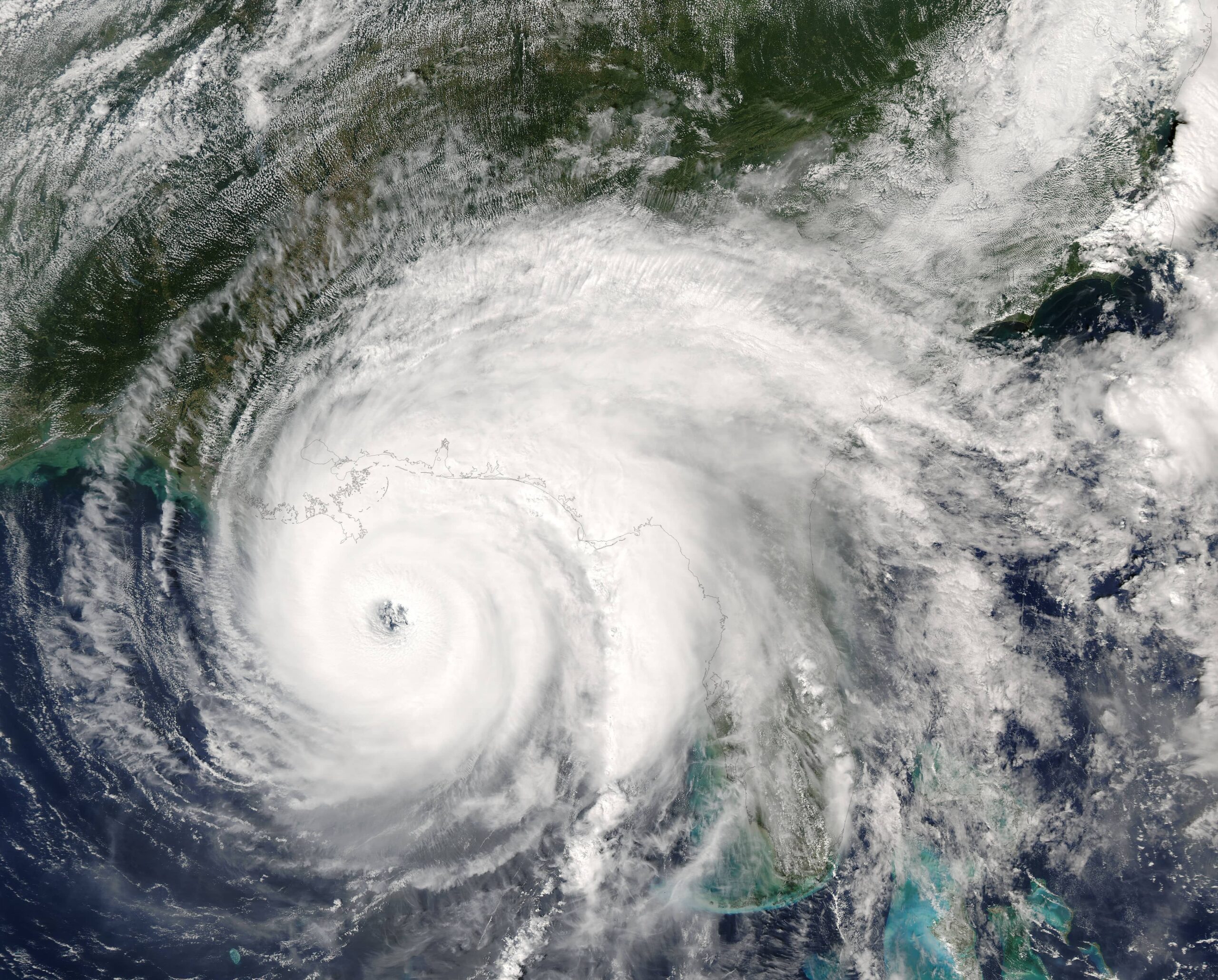 This NASA image of Hurricane Ivan is courtesy of Jacques Descloitres, MODIS Land Rapid Response Team at NASA GSFC. (Photo Credit: Earth Observatory)
This year marked one of the worst hurricane seasons on record; although, the first storm didn’t make landfall until Aug. 3. The season ravaged with 15 named storms, including nine hurricanes and six major storms, StormFax reported. These combined for $61 billion in damages and thousands of deaths over several countries, an article from NOAA states. Four out of the nine named storms that hit the continental United States struck Florida. The two strongest storms were Category 5 Hurricane Ivan and Category 3 Hurricane Jeanne. Ivan had sustained winds of 165 miles per hour and hit the Gulf Coast in mid-September. Jeanne caused 3,000 deaths in Hispaniola and later made landfall in Florida with winds topping 120 mph. Hurricane Jeanne caused an estimated $12.4 billion in 2024 dollars in property damage in the United States, according to NOAA’s National Centers for Environmental Information (NCEI).
The 2017 Hurricane Season
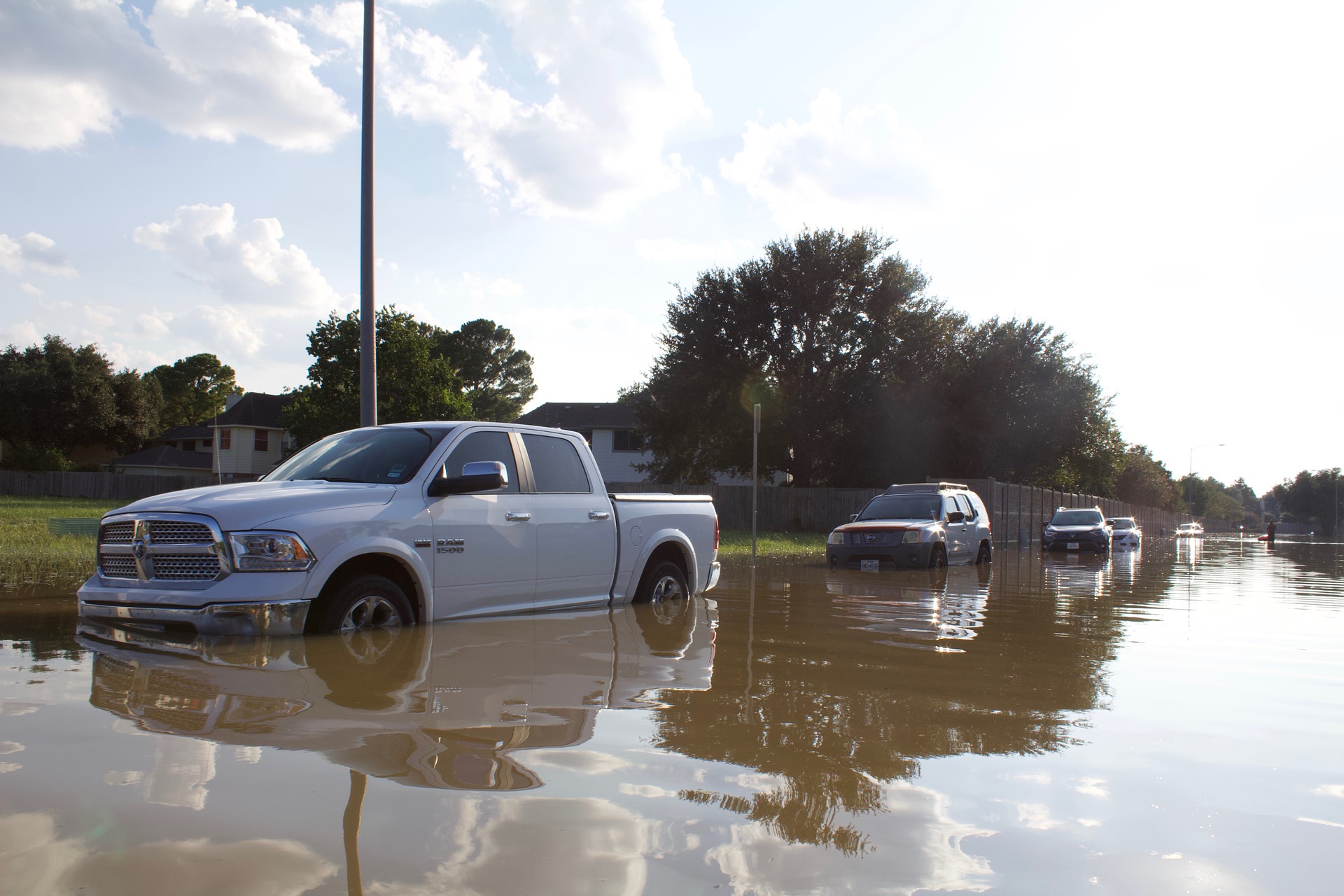 Hurricane Harvey caused more than $38 billion in estimated insured losses in 2024 dollars. (Photo Credit: “Hurricane Harvey” by Andrewtheshrew / CC BY 4.0)
With Hurricanes Maria, Irma, and Harvey, 2017 holds the record for the first time three Category 4 hurricanes made landfall in the United States and its territories in the same year. Those three storms also were the second, third, and fourth most costly hurricanes in the United States, according to Triple-I Maria and Irma each caused upward of $30 billion in estimated insured losses, and Harvey caused between $18-20 billion in estimated insured losses in 2017 dollars. The 2017 hurricane season also made a name for itself as the seventh most active season in historical record dating, which goes to 1851. StormFax reported 17 named storms with 10 hurricanes, including 6 major storms.
The 2005 Hurricane Season
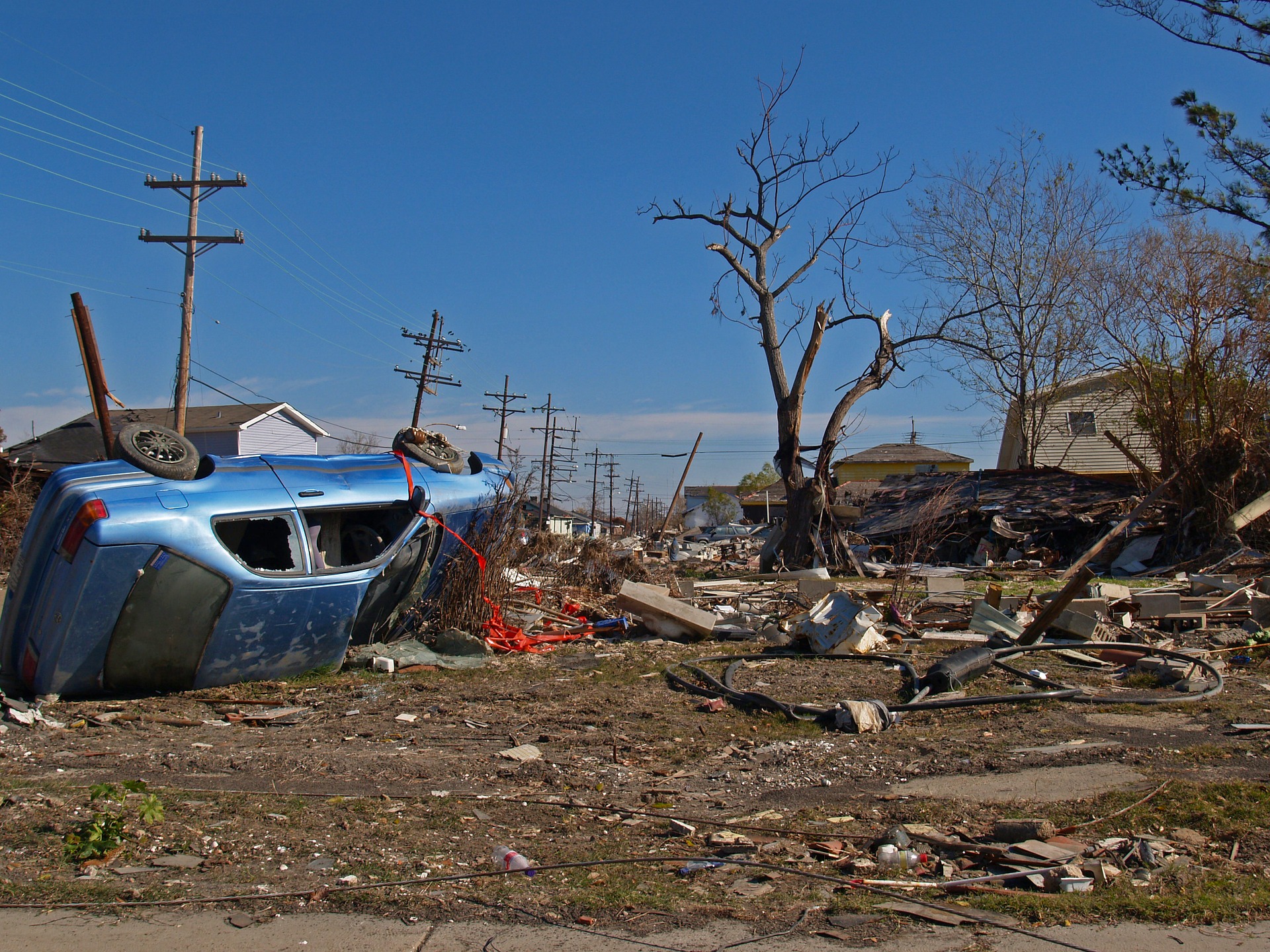 Hurricane Katrina was the costliest hurricane to ever strike the United States. (Photo Credit: “Calamity” by Gabe Raggio / CC BY 4.0)
The 2005 hurricane season broke more records than any other year, easily taking the top spot as not only the most active and strongest hurricane season since 2000—but of all time. StormFax recorded 14 hurricanes and eight major storms of Category 3 or greater. And there were several greater, including Rita, Wilma, and Katrina. Hurricane Katrina is the costliest hurricane to have ever struck the United States, according to Triple-I, with more than $104 billion in estimated insured losses in 2024 dollars.
The 2005 hurricane season exceeded the 1969 record for most hurricanes. There were also 27 named storms formed in 2005, which broke the 1933 record of 21. The 2005 season was the most destructive for the United States, largely due to Hurricane Katrina.
The 2024 Hurricane Season
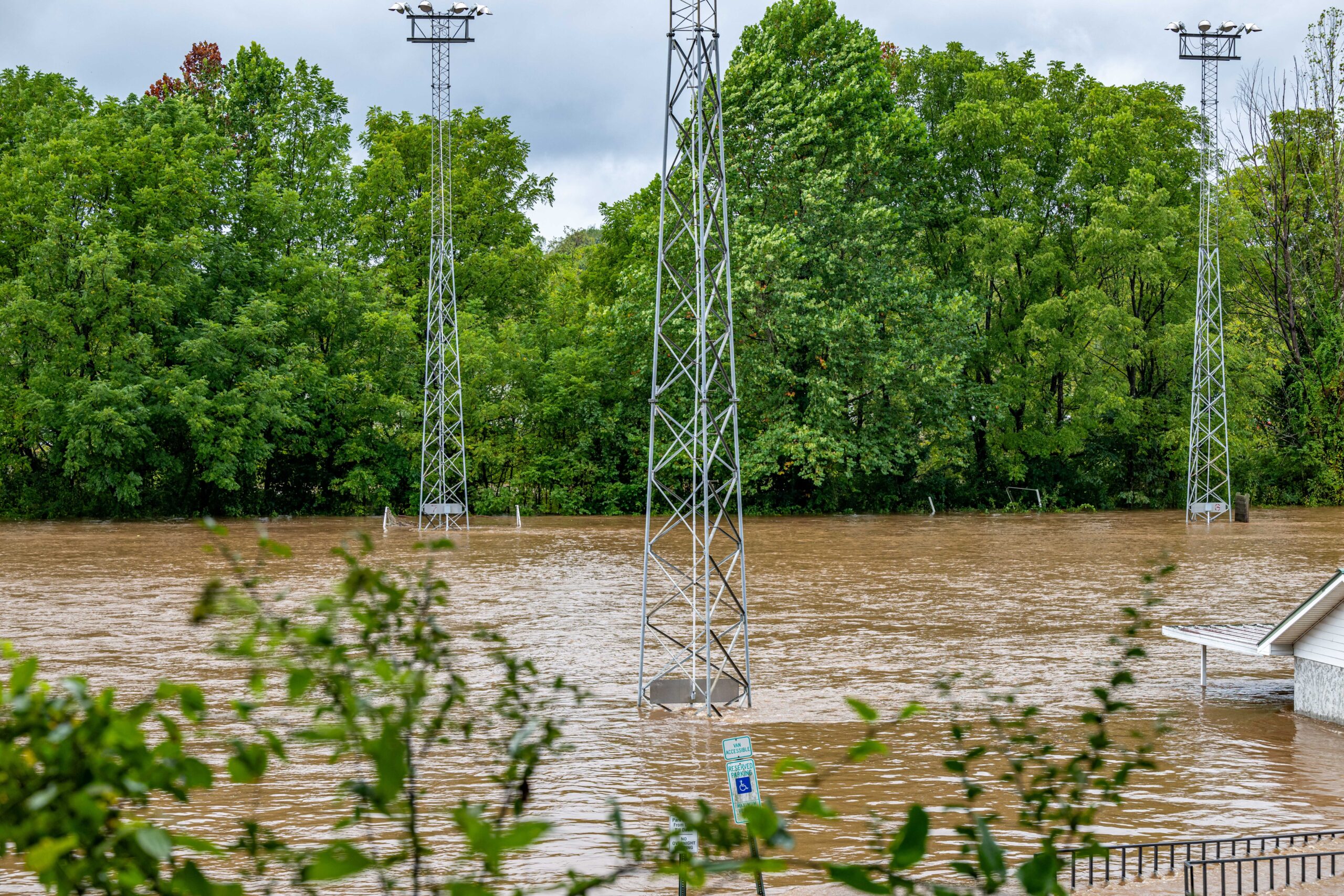
Hurricane Helene caused extensive flooding in western North Carolina.
The 2024 Atlantic hurricane season saw above-average activity and a powerful start with Hurricane Beryl, the earliest Category 5 hurricane ever recorded in the Atlantic basin.
In late September, Hurricane Helene made landfall in Florida as a Category 4 storm, before causing severe flooding in the southern Appalachians. Hurricane Helene was the second-deadliest to impact the contiguous U.S. after Hurricane Katrina with at least 250 fatalities. Helene also earned the 10th spot on Triple-I’s list of the most significant flood events based on National Flood Insurance Program payouts.
October brought Hurricane Milton, ranked by Triple-I as the 10th costliest hurricane in U.S. history, with damages reaching $20 billion.
By the season’s end, 2024 had produced 18 named storms, 11 hurricanes, and five major hurricanes in the Atlantic basin, according to StormFax.
What Does This Mean for Adjusters?
The intensity of recent storms and predictions for current and future years highlight that hurricane seasons are unlikely to ease anytime soon. Factors like El Niño and La Niña patterns, rising ocean temperatures, and evolving weather conditions create a ripe environment for storm formation. This continued activity points to a likely rise in property loss claims, including those involving both commercial and residential HVAC equipment.
Having a trusted, objective partner to provide accurate and comprehensive assessments for these systems is critical. Instead of assuming reported damage is the result of recent or nearby hurricane activity, turn to experts to verify the cause and scope of a loss. Doing so can help your carrier avoid unnecessary claims leakage.
For instance, after Hurricane Beryl, HVACi, part of Alpine Intel’s suite of services, found that 36% of HVAC equipment claimed to have Beryl-related damage had wear and tear as the actual cause of loss, while 20% were non-damaged. HVACi determined 28% of HVAC systems in Hurricane Milton claims and 27% in Hurricane Helene claims were damaged by wear and tear. The HVACi team also found that 26% and 13% respectively, were functioning as designed.
Don’t wait until the next hurricane makes landfall. See how HVACi can support you today and discover how our fact-based recommendations empower adjusters to settle claims with greater accuracy and confidence.

Don’t miss insurance-focused resources and webinars about property, perils, and trends impacting claims nationwide by signing up for The Savvy Adjuster Newsletter.

Be sure to also tune in to The Savvy Adjuster Podcast to hear more from the experts themselves.
Alpine Intel’s content is meant to inform and educate readers using general terms and descriptions. They do not replace expert evaluations that determine facts and details related to each unique claim.
Related Resources
CAT Claim Preparation: Tips for Hurricane-Related Claims with HVAC Systems eBook
Equip yourself to handle hurricane-related HVAC claims. Learn about perils, insights from recent storms, and expert assessments to inform your decisions.
Hurricane Residential Claim Case Study
For this claim, the carrier and their policyholder sought answers related to potential structural damages to an ocean-front property in the path of a major hurricane.
Hurricane Claim Preparation eBook
Discover the prevalence of hurricane-related HVAC system claims that have equipment that is non-damaged or damaged by a non-covered peril to prevent that from happening to your carrier.