
Three Causes of Christmas Tree Fires

Christmas trees are a beloved holiday tradition, but even these brightly lit and colorful decorations have a dark side. According to the National Fire Protection Association (NFPA), between 2015 – 2019, fire departments in the United States responded to an annual average of 160 house fires that involved Christmas trees. These fires may ignite for many reasons, and the Christmas trees themselves may not be to blame. Trees may fuel a fire, but we have identified three common holiday features that may serve as the origin and cause of Christmas tree fires.

A Christmas tree may fuel a fire caused by another source.
Electric Lights and Wires
This may seem like cheating because pre-lit Christmas trees have become so popular, but it’s important to remember that electricity is a heat source. According to the NFPA, nearly half of the residential Christmas tree fires they studied included decorative lights, wiring, cords or plugs, or other lighting equipment.
If their decorative lights are LEDs, Christmas tree owners may feel satisfied that the lights don’t generate enough heat to cause concern. However, they may not notice loose or broken bulbs while putting up and decorating their tree. Damaged bulbs may spark or overheat, igniting the tree. Meanwhile, older lighting that may generate heat could ignite a tree due to prolonged contact. No decorative lighting should be left unattended while powered on, and this is especially true for vintage lights.
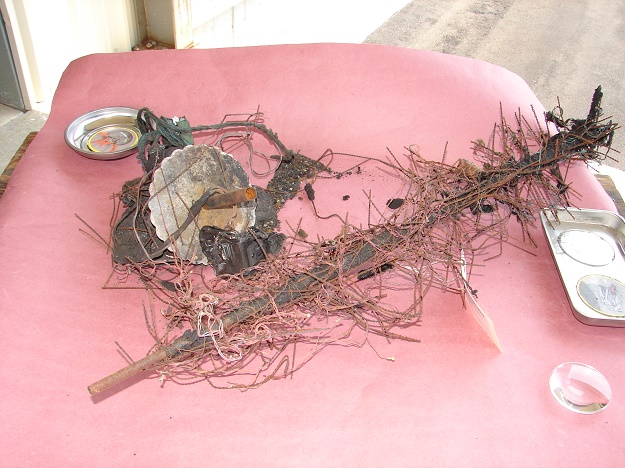
These are the remains of an artificial Christmas tree and its lights after a fire.
Overloaded or Damaged Electrical Equipment
Homeowners may be tempted to imitate characters in their favorite holiday movies and attempt to have the best lighting display on the street. Overloaded extension cords or power strips can be dangerous. Manufacturers provide information about the number of watts they can handle, and instructions for their use. Christmas tree owners can find this information on the extension cord tag, and users risk failures if they do not adhere to the manufacturer’s specifications.
Owners should also check their lighting equipment for frayed cords every time they put up the tree or take it down. It’s also possible that lighting equipment may fail due to manufacturing defects, causing a fire even when the owner follows instructions.

Too many electric lights have been connected to this power strip.
Heat Sources
During the holiday season, nothing is as cozy as sitting in front of a glowing fireplace. A beautiful Christmas tree may seem like the perfect addition to the scene. However, that lovely tree may be a major fire hazard if placed too close to a heat source.
Embers from fireplaces or candles near a Christmas tree can make contact with boughs. Christmas trees should never touch radiators, space heaters, or any other heating appliance, which may cause artificial Christmas trees to melt and burn. Homeowners who prefer natural trees should water their tree frequently to prevent drying. Dried out natural trees are especially prone to ignite when placed too close to a heat source, but artificial tree owners should remember that plastics are susceptible to heat, too.
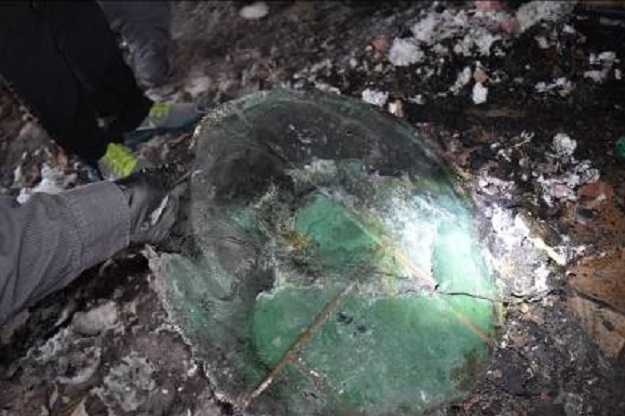
This is the plastic base of a natural tree that was never watered after decoration and ignited when a lit candle was placed too close to the tree.
Christmas tree fires occur at a busy and stressful time. It’s critical fire investigators learn exactly what started them to potentially prevent future losses. National Fire Experts investigators are certified to perform a thorough, 11-step origin and cause investigation on a variety of properties. As a part of the Alpine Intel suite of services, we leverage evidence management services that can provide an unbroken chain of custody, secure storage facilities with 24-hour security camera coverage, ensuring our clients have the evidence- based information they need to determine the best next steps.

Don’t miss insurance-focused resources and webinars about property, perils, and trends impacting claims nationwide by signing up for The Savvy Adjuster Newsletter.

Be sure to also tune in to The Savvy Adjuster Podcast to hear more from the experts themselves.
Alpine Intel’s content is meant to inform and educate readers using general terms and descriptions. They do not replace expert evaluations that determine facts and details related to each unique claim.
Related Resources

Tree Impact Case Study
A tree fell through the roof and wall of a policyholder’s bedroom during a storm. The carrier reached out to Donan for a scope of damage and to get repair recommendations.
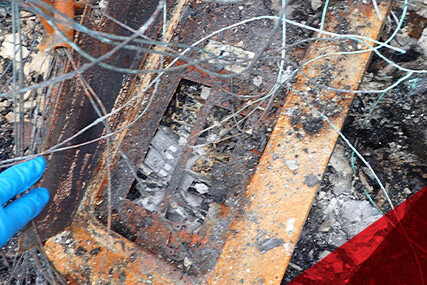
Common Causes and Indicators of Electric Wiring Fires
Knowing the causes and common indicators of faulty wiring can help insurance professionals and policyholders alike understand why these fires occur.

Apartment Fires: Causes and Investigations Guide
Learn common causes of apartment fires, how investigators approach assessments, and the characteristics that can introduce unique considerations to these claims.