Solar Power Fire Claims Are Rare but Happen

A social media post about leaf litter contributing to a solar power equipment fire continues to go viral as people warn others of potential hazards with their systems. According to the post, a DC isolator ignited and set fire to the nearby leaves under the solar panels, causing severe damage. While the original post is older, its message about proper maintenance around rooftop solar equipment remains true today. Solar equipment fire claims are infrequent, but adjusters should understand why they may occur and how surrounding conditions, such as nearby leaves, may cause more severe damage in claims.
How Prevalent Are Solar Equipment Fire Claims?
More than 4 million American households generate solar power, according to the U.S. Department of Energy. Solar power’s popularity continues to increase for various reasons, including:
- Solar power production doesn’t negatively impact the environment
- Tax credits and decreasing costs make systems cheaper to install
- The potential to save money on your energy bill
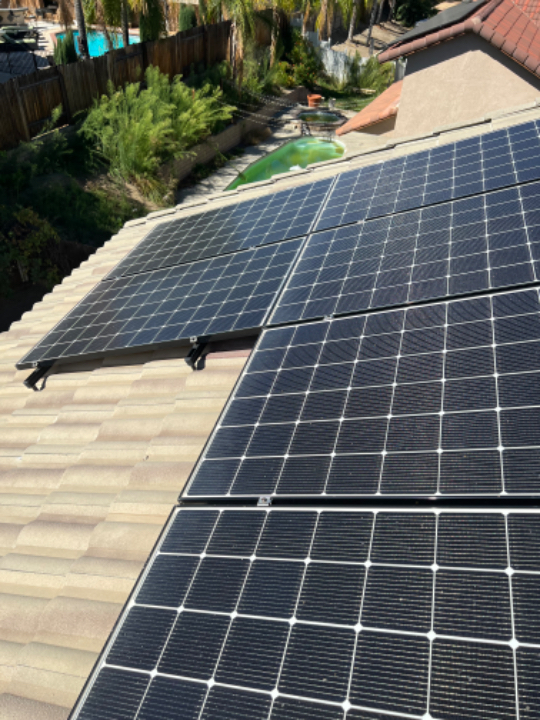
Solar panels are made to withstand the elements as much as possible, and fire-related solar equipment claims aren’t common.
With more people owning and using solar power systems, this equipment has a higher chance of winding up in insurance claims than in the past. Even so, fire is not a common cause of loss in these claims.
Only 3% of solar power equipment evaluated by StrikeCheck, an electronics and specialty equipment assessment company under Alpine Intel, had verified smoke and fire damage. It was far more likely, at nearly 25%, that the equipment was in proper working condition at the time of evaluation, according to the StrikeCheck 2022 Annual Claims Report.
What Causes Solar Power Fire Claims?
Though not as common as other causes of loss to solar equipment, fire claims do occur. Among the reasons are design flaws, lightning or surge impacts, and nearby fires.
Design flaws, component defects, and improper installation: While these aren’t necessarily your policyholders’ faults, design flaws, component defects, and improper installation are common causes of solar equipment fires.
A German report called Assessing Fire Risks in Photovoltaic Systems and Developing Safety Concepts for Risk Minimization was translated through funding from the U.S. Department of Energy and states that 210 of the 430 fires involving solar systems were caused by the system itself.
Solar equipment experts are critical to manufacturing or installing these complex systems, and they should follow building and safety codes, like those found in the Interstate Renewable Energy Council’s National Solar Licensing Database. Installation certifications may be required. Design flaws or improper installation can cause arcs between conductors or to the ground. They could also result in hot spots that ignite surrounding flammable materials. Following building codes and safety measures is essential for other reasons, such as ensuring the roof can handle the additional weight.
Lightning and surge damage: Solar power equipment is made to be outdoors and withstand a lot of the elements, including wind and hail. Policyholders often report lightning damaging their solar equipment, but direct lightning strikes are uncommon. High voltage surge losses from a nearby strike or a change in the amount of electricity in the grid are more likely. In case of a direct lightning strike, a fire could ignite.
Wildfires or nearby fires: Wildfires or nearby fires may cause soot to cover the panels, which could impact their functionality. Professional cleaning, a minor repair, may be all that’s needed to return them to pre-loss condition. However, smoke and soot embedded within the internal circuitry might result in an electrical failure.

Extreme wildfire exposure may cause losses like this, but for less severe damage, professional cleaning or other repairs will often suffice.
Exposure to fire could cause structural damage that may require equipment replacement. When the structure under the solar installation has a fire, or the roof is damaged through firefighting efforts, the solar equipment can also sustain a loss. In another example, a wildfire may damage solar panels and the inverter, leaving them burned, melted, or blistered. Heat-related damages may arise even if components don’t physically appear impacted. Expert evaluation would be required to verify smoke and fire damage and its severity.
Policyholders Can Prevent Fires From Getting Out of Hand
Rules both for the production and installation of solar power equipment are geared to reduce the number of losses. However, policyholders can help further decrease the risk by maintaining the equipment and the area around it. That includes having an expert remove leaves, debris, and animal waste from around the equipment and keeping the panels clean through proper measures.
Despite efforts, solar power equipment is vulnerable to losses like other electronics. Before settling a claim with it, be sure to have an objective expert evaluation that can verify the cause of loss, scope of damage, and most appropriate next steps to return equipment to pre-loss condition. StrikeCheck, part of Alpine Intel’s suite of services, can do all of that with their comprehensive onsite assessments.
Submit an assignment to quickly receive actionable intelligence to your solar equipment – or other electronics and specialty items – claims questions.

Don’t miss insurance-focused resources and webinars about property, perils, and trends impacting claims nationwide by signing up for The Savvy Adjuster Newsletter.

Be sure to also tune in to The Savvy Adjuster Podcast to hear more from the experts themselves.
Alpine Intel’s content is meant to inform and educate readers using general terms and descriptions. They do not replace expert evaluations that determine facts and details related to each unique claim.
Related Resources
Exploring Solar Power System Claims Webinar Recording
Understand how solar power systems work and be more prepared to settle these claims through the webinar recording.
Solar Power System Components Guide
Solar power systems are becoming more and more popular as their cost becomes more competitive with conventional energy production systems.

Causes of Loss in Solar Power Equipment Claims Guide
Solar power systems are frequently included in insurance claims for damages – particularly after a reported lightning strike.