
Property Losses Mistakenly Claimed as Wind Damage

Policyholders may mistakenly claim damage to various roofing and structural components to be the result of wind. There are many ways you and other adjusters can make sure you’re settling for the actual cause of loss, such as knowing what damage is likely to be present at various wind speeds and using expert investigations to account for all on-site evidence.
Here are property losses commonly claimed as wind damage to roofing, windows, and structural elements and what Donan’s forensic engineers look for to tell the difference.
1. Shingles: Wind, Improper Installation, or Something Else?
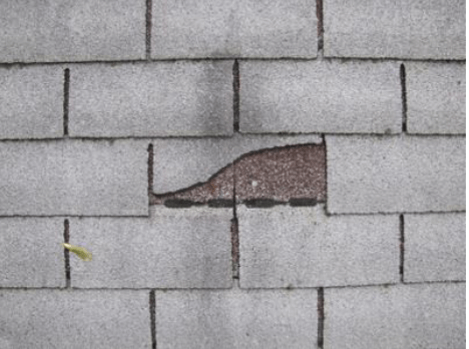
Uneven tears in asphalt shingles are just one indicator that something other than wind caused the loss.
Shingle damage can leave a structure vulnerable to water intrusion, and returning the roof to pre-loss condition is important to mitigating the loss. That means an accurate cause of loss determination is key to your settlement. You should recognize some other causes of loss most often claimed as wind damage. Among them are:
Improper installation, such as vertical racking, may be claimed as wind damage. Contractors sometimes use this method because it’s quick and efficient, but it can result in vertical columns of unsealed shingles, which allows the shingles to lift. Uneven nail patterns and shingle sections laid in columns can point to improper installation.
When shingles fail before they’re expected to, this may indicate a manufacturing defect. Experts assessing a roof for wind damage monitor product recalls and failure trends for known issues to the shingle brand. Manufacturing defects are also more likely than wind to be all over the roof rather than on individual sections or shingles, so inspectors look for patterns.
Finally, man-made or mechanical damage is frequently claimed as being due to wind, but certain evidence can differentiate between the two. Man-made tears are often found at corners or exhibit other patterns, such as uneven tears. Wind tends to tear or crease shingles at the center, across the entire shingle. Wind will also affect windward roof slopes more than others—and roofs aren’t the only place you need to consider directionality.
2. How Wind and Other Causes of Loss Affect Windows

Broken windows are unlikely to be the result of wind pressure in most parts of the country but can occur as a result of windborne debris.
Wind is directional, which means building orientation matters when you’re considering a claim where it’s cited as the cause of loss. This is especially true of roofs and windows. The following window failures can be mistaken for wind damage:
- Binding windows may be the result of accumulated debris or lack of maintenance.
- Fogging and discoloration are often the result of a failed seal, which is rarely due to wind.
- Broken panes most frequently occur due to impacts from windborne debris, projectiles, or intentional strikes.
The most basic principle of diagnosing the cause of loss to windows is assessing the physical damage present to the glazing and frame. Framing distortion on the windward side is common, as are windows displaced inward or outward.
Man-made damage to windows is also commonly claimed as wind damage. Whether deliberate or unintentional, this damage affects lower-level windows of all sizes, while wind affects higher floors more frequently and is more likely to impact larger windows.
3. Diagnosing Structural Wind Damage vs. Other Causes
As with windows, structures are more likely to incur wind damage on higher levels first, meaning if there’s damage to the first floor but not the second, wind is not a likely culprit. If there is minimal damage to the roof, structural wind damage isn’t expected. Similarly, direction and location matter when it comes to things like siding and wall framing. Wind pressure increases with height and is greater at corners of a building, making higher floors and corners more likely places to find wind damage.
Deterioration and improper construction can cause damage attributed to wind. Improperly applied mortar, aging materials, and other conditions can weaken the structural elements, making them vulnerable to less-than-damaging winds. Homeowners may also be more attuned to damage following a storm event, meaning they discover cracks or out-of-plumb walls that predated the storm and assume they were caused by wind.
What You Can Do To Confirm Wind Damage
It’s important to both adjusters and policyholders that a claim is settled accurately. Armed with the knowledge of what experts look for when they’re on-site, you can be better prepared to resolve these claims. In addition to the evidence mentioned in this article, there are some other things you should consider.
Weather data is key to wind claims. Experts reference reputable agencies and recording stations near the loss location to determine whether winds were strong enough and from the right direction to cause the claimed damage. While this isn’t all that’s needed to confirm wind damage, it contributes to their hypothesis.
Once you’ve confirmed the presence of strong winds, take note of collateral indicators like trees, fences, and gutter systems. If wind was strong enough to damage the roof, windows, or structural elements of a building, it was strong enough to damage lightweight collaterals. Collaterals may have been cleaned up before a site inspection, so be sure to ask if there are photos documenting the property after the loss.
A licensed engineer can identify these indicators through an on-site assessment or a desktop review. They also consider the age, materials, and condition of the roof, windows, and building, which can affect how well these elements can stand up to wind.
To leverage Donan Engineering’s decades of experience in delivering actionable intelligence through forensic engineering investigations, submit an assignment today.

Don’t miss insurance-focused resources and webinars about property, perils, and trends impacting claims nationwide by signing up for The Savvy Adjuster Newsletter.

Be sure to also tune in to The Savvy Adjuster Podcast to hear more from the experts themselves.
Alpine Intel’s content is meant to inform and educate readers using general terms and descriptions. They do not replace expert evaluations that determine facts and details related to each unique claim.
Related Resources
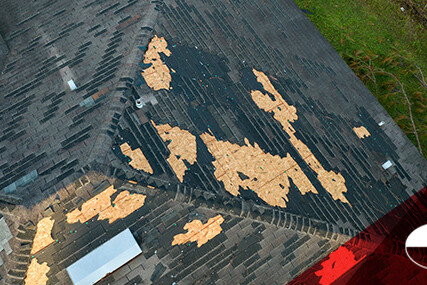
Wind Damage and Other Losses to Asphalt Shingles Guide
Wind is one of the most common perils affecting asphalt shingle roofs, it’s unsurprising that homeowners and contractors may attribute losses to wind that were caused by something else entirely.
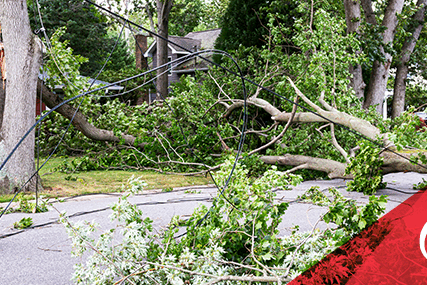
Hurricane-Related Wind Damage Case Study
Discover how StrikeCheck determined the cause and scope of loss for reported hurricane damage in a claim including an electric range, electrical service panel, wiring, and lighting.

Wind Damage to HVAC Condensing Units Guide
Knowing what wind damage looks like, possible repair methods, and other common causes of loss may help prevent claims leakage.