
Power Surge Claims – What Adjusters Should Know

As consumers in an electronic world, we’re all conscious of the threat of a power surge, also known as high voltage surge, to our devices. As an adjuster, you may encounter this cause of loss even more frequently in the claims you handle. To make an accurate settlement decision, it helps to be aware of what causes a power surge, what equipment is vulnerable, how your policyholders can protect their electronics, and how to prevent claims leakage. We’ve put together some information to help you navigate these claims.
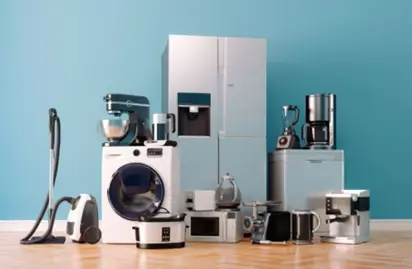
When it comes to power surge, no electronic is safe, but knowing the basics about this cause of loss can help you handle claims that involve it.
What Causes a Power Surge?
High voltage surges are simply an increase in voltage in the electrical system. Depending on the source, this can last anywhere from a few milliseconds to a few minutes. There are three typical causes of power surges:
Nearby Lightning Strikes
When lightning strikes near a power line, it can discharge excess energy into the electrical line increasing the electrical pressure, which then can travel into nearby connected properties. This type of power surge can be the most damaging as it creates the highest increase in voltage.

Even if lightning is confirmed in the area, it’s important to distinguish between direct lightning damage and lightning-induced surge damage when determining cause of loss.
The Electrical Grid
Many conditions within the power grid may lead to surge. For example, a tree falling on a power line or an animal getting into a transformer may interrupt power, and an excess of electricity will flood the system once the power comes back online. Utility company maintenance, repairs to substations, fires at substations, and other circumstances that interrupt power can cause surges when power is restored.
High-Power Devices
Surges can occur due to high energy consumption systems or items powering on and off that might be experiencing mechanical issues.
Frequently Impacted Equipment
Anything that is plugged in at the time of a surge can be affected. Of the electronics StrikeCheck assessed with confirmed surge damage, 50% were consumer electronics and 29% were appliances.
Confirming the cause of loss is vital to your settlement decision. Surge-related claims often involve multiple items. An expert can determine whether all of them were damaged by surge and if each one is damaged at all. In fact, 25% of all electronics included in claims StrikeCheck assessed were found to be non-damaged at the time of assessment. Without an assessment, carriers could have paid for unnecessary repairs or replacements.
Prevention Methods
People look for ways to protect the sensitive electronics they have plugged into their electrical system from the detrimental effects of power surges. While surge protectors won’t eliminate losses, property owners may use these three types of protectors to reduce risk:
- Type 1 Surge Protection: This type of surge protector is also known as a service entrance surge protector. They are installed between the electrical distribution from the utility company and the electrical panel. This surge protector stops an externally caused surge from entering the wiring on the property. While these are very powerful, they are also costly to install.
- Type 2 Surge Protection: This type of protection is commonly known as whole home surge protectors. These are installed within the property’s electrical panel and can protect both circuits and connected devices from internal and external surges.
- Type 3 Surge Protection: Also known as point of use surge protection, these devices protect the components that are plugged into it. While these are the most common types of surge protection and can significantly reduce the impact of a destructive surge, they do not provide 100% protection. Additionally, while these work well for electronics such as computers and entertainment systems, these are not viable options for protecting high-power equipment.
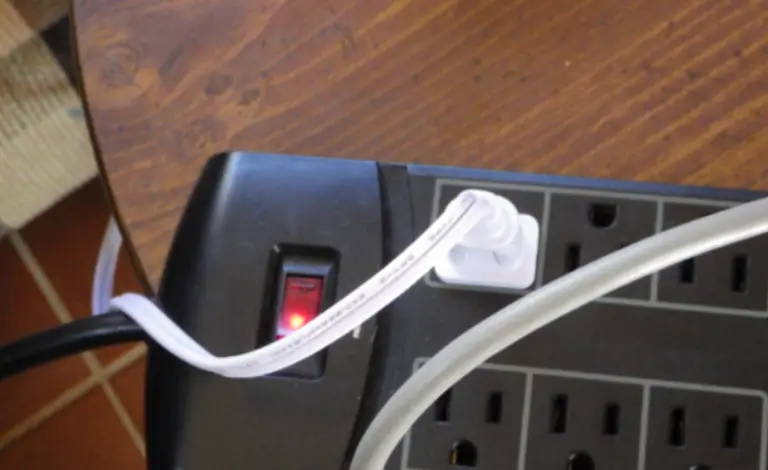
Precautions like this Type 3 surge protector are common for household electronics, but they don’t fully protect against high voltage surge.
Avoiding Unnecessary Replacement Costs
Confirming the cause of loss is the most effective tool you have against claims leakage when it come to surge damage to electronics and electrically powered items. Without an expert evaluation, your settlement is based on incomplete information and risks paying for items that are non-damaged. Even surge-damaged items, particularly appliances, can often be returned to pre-loss condition with a repair rather than a replacement.
To verify surge damage, you can find an assessment partner to provide an onsite inspection of electronics for a cause of loss determination and repair vs. replacement recommendations. If the policyholder reports lightning damage, often mistakenly claimed as the cause of loss in when surge is the actual culprit, a lightning verification report can confirm or eliminate the presence of lightning in the area at the time of the loss.
Eliminate guesswork in your claims involving surge or any other cause of loss or scope of damage. Submit a claim to StrikeCheck for a streamlined and uncomplicated process for assessing property claims involving electronics and other specialty electrical items.

Don’t miss insurance-focused resources and webinars about property, perils, and trends impacting claims nationwide by signing up for The Savvy Adjuster Newsletter.

Be sure to also tune in to The Savvy Adjuster Podcast to hear more from the experts themselves.
Alpine Intel’s content is meant to inform and educate readers using general terms and descriptions. They do not replace expert evaluations that determine facts and details related to each unique claim.
Related Resources
An Evaluation of Surge and Lightning Damage to Electronics and Specialty Claims eBook
Gain insight on how often lightning or surge is the cause of loss, why and where lightning and high voltage surges occur, and which items are most affected by these perils.

Whole Home Surge and Lightning Claims Guide
When these claims come across your desk, an objective assessment is crucial to determining the actual cause of loss – and whether the equipment is damaged at all.

Water Damage to HVAC and Electrical Items Case Study
An adjuster turned to HVACi and StrikeCheck to verify water damage and provide repair and replacement recommendations on a variety of equipment for a single claim.