Non-Destructive vs. Destructive Product Failure Testing: What You Need To Know Guide

Professional Engineers play an important role in helping adjusters, subrogation teams, and carriers uncover the root causes of product and component failures. Engineers provide critical insights that can shape subrogation decisions by utilizing non-destructive and destructive product failure testing.
But what sets these two testing methods apart?
This one-page guide provides:
- Clear definitions of non-destructive and destructive product failure testing
- An overview of the benefits, applications, and advanced technologies involved in each method
- Insights into the role of on-site assessments for evaluating potential product and component failures
- An explanation of why more than one type of testing may be needed for a single item
Fill out the form and look for the guide in your inbox!

Don’t miss insurance-focused resources and webinars about property, perils, and trends impacting claims nationwide by signing up for The Savvy Adjuster Newsletter.

Be sure to also tune in to The Savvy Adjuster Podcast to hear more from the experts themselves.
Alpine Intel’s content is meant to inform and educate readers using general terms and descriptions. They do not replace expert evaluations that determine facts and details related to each unique claim.
Related Resources
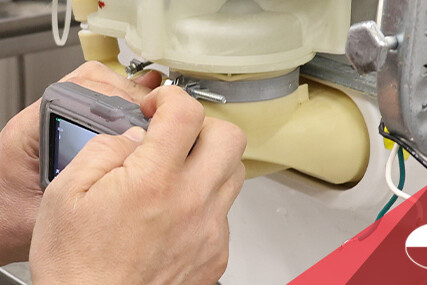
Non-Destructive vs. Destructive Product Failure Testing Case Study
Read about how CTL’s Professional Engineers used non-destructive and destructive testing to help a subrogation firm pinpoint the cause of a plastic pipe leak.
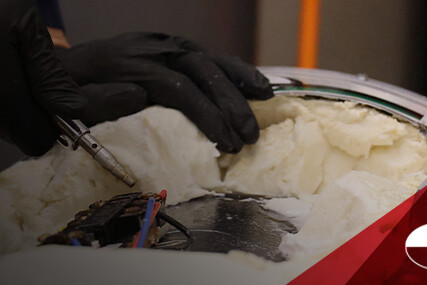
Your Guide to Product Failure Testing Terms
CTL’s glossary of frequently used terms can help you better understand the lab’s assessment process, the materials our experts inspect, and their actionable conclusions.
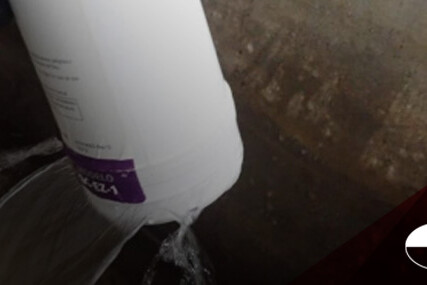
Suspected Freeze Failure Component Testing Case Study
Discover how CTL’s expert product failure testing determined the cause of a leaking water filter and empowered an adjuster to make informed subrogation decisions.