
Lithium-Ion Battery Fires: Causes and Subrogation Potential

Lithium-ion batteries power much of our daily lives, from cell phones and laptops to power tools and e-bikes. Thanks to their high energy density and versatility, these batteries’ uses are rapidly increasing. In fact, global demand is expected to grow nearly seven-fold from 2022 levels, reaching 4.7 terawatt-hours in 2030, according to Statista.
However, lithium-ion batteries are more prone to overheating and igniting than other battery types, often leading to severe fire losses. In such claims, identifying the root cause of the incident—beyond that it started at the battery—is essential, and product failure testing plays a critical role. These investigations can determine whether the fire resulted from user error, external abuse, or a manufacturers’ defect, providing valuable insight into the claim’s subrogation potential.
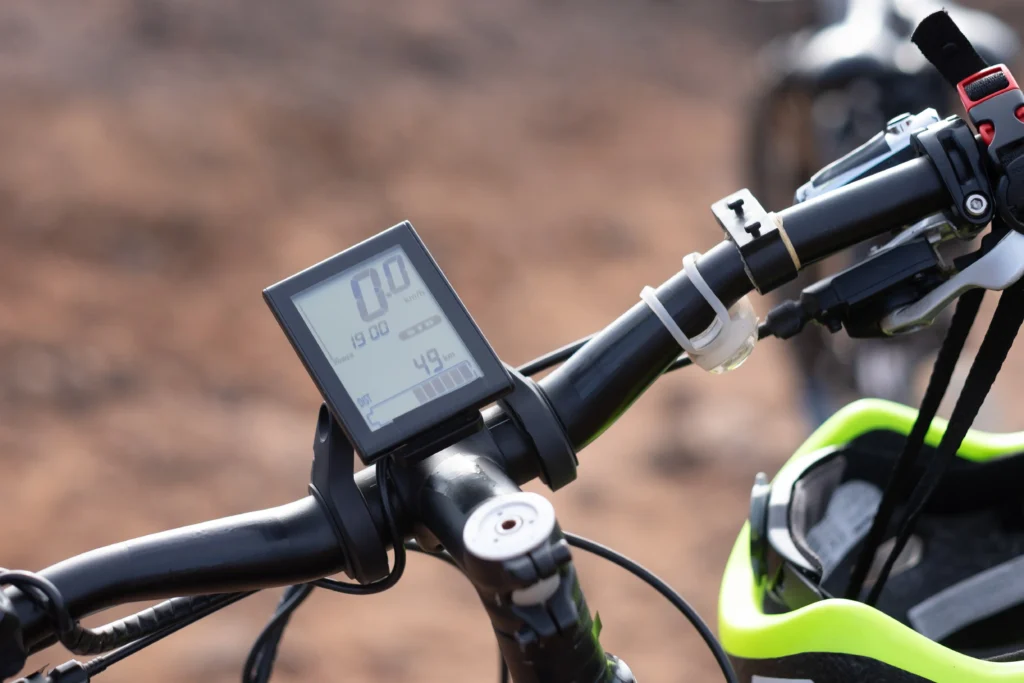
Lithium-ion batteries are used in a wide variety of applications because of their ability to store large amounts of energy, powering devices like e-bikes, e-cigarettes, laptops, cell phones, power tools, and hoverboards.
Why Do Lithium-Ion Batteries Catch Fire?
Almost all lithium-ion battery fires are caused by a phenomenon called thermal runaway, which can also occur in lead-acid and nickel-cadmium batteries. National Fire Protection Association (NFPA) defines thermal runaway as, “the uncontrollable self-heating of a battery cell,” and notes that “it begins when the heat generated within a battery exceeds the amount of heat that can be dissipated to its surroundings.” This process produces flammable gases, which can ignite. If the overheating happens quickly, the battery cell may bulge or rupture, often described by witnesses as an explosion.
Causes of Thermal Runaway
Three primary causes of thermal runaway in lithium-ion batteries are improper charging, external physical abuse, and manufacturers’ defects.
Improper charging can occur when users mistakenly attempt to recharge batteries that are non-rechargeable, potentially causing them to fail catastrophically and ignite fires or explosions. Even rechargeable lithium-ion batteries can overheat and ignite if overcharged or charged using the wrong type of charger. Including charging components or any information related to how the battery was being charged can better equip Professional Engineers to determine the cause of failure. This information can in turn empower adjusters and carriers with more conclusive insights to use when determining potential subrogation opportunities.
External physical abuse, though less common, can also cause lithium-ion battery fires. Puncturing or crushing the cell can compromise the separator, leading to an internal short circuit. Most battery packs are protected from external abuse by their housing, but bare cells—such as uncovered positive terminals—are more vulnerable to short circuits. For example, e-cigarette users who carry spare batteries without protective cases risk accidental short circuits.
Manufacturers’ Defects and Lithium-Ion Battery Fires
Manufacturers’ defects that contribute to lithium-ion battery fires are particularly crucial for insurers and legal professionals to understand, as they could point to third-party fault and the opportunity to pursue subrogation.
To prevent defects, lithium-ion batteries are typically produced in clean, controlled environments, as contaminants introduced during manufacturing can damage the cell’s separator and cause internal short circuits. Name-brand batteries are generally made with rigorous quality control measures, making defects in these cells relatively rare. When such defects are identified, the Consumer Product Safety Commission (CPSC) often issues recalls for the affected batteries. Through expert product failure analysis, recalled batteries can be examined to determine if a defect was responsible for causing a fire.
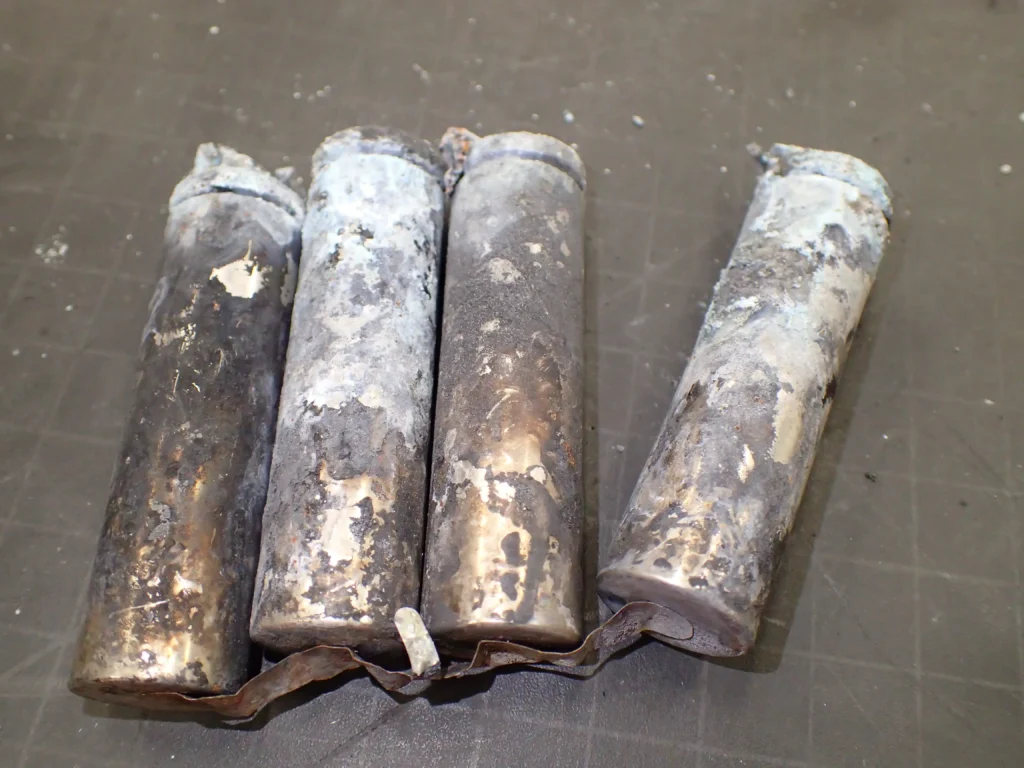
Component Testing Laboratories (CTL) discovered a manufacturer’s defect in one or more of these lithium-ion battery cells within a portable power bank linked to the fire’s origin.
Most manufacturer-related failures are found in aftermarket replacement battery packs. These lower-cost batteries often lack robust quality control procedures, which are expensive to implement. That said, counterfeiting is also an issue in the lithium-ion battery space, so a high price doesn’t always guarantee authenticity or adherence to strict quality standards. Expert testing can determine whether poor manufacturing played a role in a lithium-ion battery failure—and ultimately, a fire.
Overcoming the Challenges of Transporting and Testing Lithium-Ion Batteries
Handling lithium-ion batteries involved in a fire requires specialized expertise and caution. Even after being extinguished, these batteries can retain stranded energy, posing risks of electrocution or reignition.
But with the right assessment partner, these concerns don’t have to hinder a product failure investigation. Component Testing Laboratories (CTL) has an in-house transportation service, Loss Logistics, that has developed a specialized method for safely transporting lithium-ion batteries. Their protocol involves sealing the lithium-ion battery in a bucket with a substance that will encase the evidence in glass, should it reignite. Lithium-ion batteries in larger devices, such as e-bikes are left within the item to prevent evidence spoliation. In these instances, Loss Logistics personnel maintain safety and evidence preservation by covering the item with fire blankets before transporting it to one of CTL’s two advanced facilities for secure storage. CTL’s Professional Engineers can then perform expert product failure testing based on the scientific method and engineering principles to identify the cause of the battery’s failure.
As part of Alpine Intel’s suite of services, CTL can also work with National Fire Experts (NFE). NFE’s certified fire investigators can begin your fire claim process by conducting an origin and cause investigation. If they conclude that the most plausible cause was linked to a lithium-ion battery, or any other product such as an appliance, they may recommend further testing. If you wish to pursue this testing, NFE can coordinate with CTL on your behalf to provide you with the answers you need to make confident decisions regarding the fire claim and subrogation, all while maintaining a single-line chain of custody.
If you’re already dealing with a product failure and require expert analysis, you can submit an assignment today.

Don’t miss insurance-focused resources and webinars about property, perils, and trends impacting claims nationwide by signing up for The Savvy Adjuster Newsletter.

Be sure to also tune in to The Savvy Adjuster Podcast to hear more from the experts themselves.
Alpine Intel’s content is meant to inform and educate readers using general terms and descriptions. They do not replace expert evaluations that determine facts and details related to each unique claim.
Related Resources
Lithium-Ion Battery Product Failure Testing Case Study
An adjuster sought conclusive evidence from CTL’s professional engineers and testing to determine a lithium-ion battery fire cause and subrogation potential.

Exploring Subrogation Potential: Plumbing and Appliance Failures
Use this interactive guide to learn about appliance and plumbing failures identified at Component Testing Laboratories that may warrant subrogation.
3 Fires Related to Lithium-Ion Batteries – and Why They Happened
Before handling a claim for a fire or loss caused by a lithium-ion battery, understand different reasons these batteries pose such a risk by reading about real fire investigations and their results.