
Key Indicators of Flood Damage

Flood claims can be deceptively complex, as adjusters must know what claimed damages were the result of the flood rather than another cause of loss to resolve them accurately. The Key Indicators of Flood Damage Guide illustrates several factors experts consider during their investigations. Get your copy to learn:
- How different flood forces may impact structures
- How geographical and weather data aid cause of loss determinations
- Which key indicators point to flood damage vs. another cause of loss
Fill out the form for your guide.

Don’t miss insurance-focused resources and webinars about property, perils, and trends impacting claims nationwide by signing up for The Savvy Adjuster Newsletter.

Be sure to also tune in to The Savvy Adjuster Podcast to hear more from the experts themselves.
Alpine Intel’s content is meant to inform and educate readers using general terms and descriptions. They do not replace expert evaluations that determine facts and details related to each unique claim.
Related Resources

Flood Damage to Condominium Case Study
A carrier hired Donan to verify the extent of flood damage to a multi-story, multi-unit condo building following a hurricane. There were concerns about the structural integrity of the building due to the presence of broken concrete, soil displacement, and cracked walls.
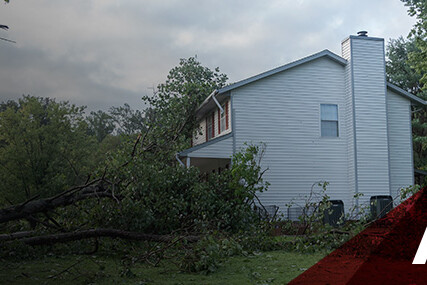
Take 5: Indicators of Wind Damage Not Found On the Roof | The Savvy Adjuster Podcast Ep. 2
In this mini episode, Chris follows up with Kevin Huelsman and Gary Ellis about collateral indicators, weather data, and other evidence the experts look at to verify claimed wind damage.

Hail Damage and Collateral Indicators | The Savvy Adjuster Podcast Ep. 7
We discuss why inspecting collateral indicators is important to hail assessments of roofs, structures, and HVAC equipment; the difference between cosmetic impacts and functional hail damage.