
Keep an Eye on These 2024 Electronics Claim Trends

Automation and Artificial Intelligence made waves throughout 2023, and it’s no surprise that they are topping trends lists of things to watch in 2024. Insurance professionals may find intertwining automation and human touch in their processes can provide a winning combination for both the carrier and policyholders. Adjusters should also be prepared for other trends that may not get the same limelight.
Alpine Intel’s StrikeCheck electronics experts shared four insurance-related developments they’ll continue keeping tabs on to help adjusters when claims are impacted.
1. Increase in Home Automation, Lighting Controls, and Smart Devices

Increased use of home automation brings new challenges to ensure claims accuracy.
That may feel like it falls under automation and artificial intelligence, but there’s more to it! Many of these devices are marketed as energy savers – and while that could mean a slight decrease to a policyholder’s utility bill, it’s a mixed bag on impacts to claims.
Home automation can control or monitor various items for a residential policyholder, including audio/visual equipment, water heaters, lighting, HVAC systems, and security. However, a specific failure may become harder to pinpoint with so much interconnectivity. It’s similar to a faulty wire in an electrical system presenting as multiple failed electronics on a circuit. A breakdown in communication from the home automation system to the items it controls may have policyholders filing claims with an inaccurate notion that many replacements are necessary. That means claims have an increased potential for indemnity leakage without proper damage verification.
On the other hand, when damage does occur, electronics experts have additional considerations with each assessment. Home automation and smart tech usually include control panels, power supplies, sensors, and cables that are all susceptible to high voltage surges, wear and tear, or water damage. Both repairs and replacements may be more expensive than their non-smart counterparts, and adjusters will need expert advice to make sure necessary components are still Like Kind and Quality (LKQ) to the policyholder’s original property.
2. Increase in Commercial Large Loss Electrical Claims From Theft/Vandalism
At the beginning of 2023, statistics established that commercial theft and vandalism had already been on the rise for multiple years, according to The State of Physical Security Entering 2023 report. Survey respondents expressed a nearly 30% increase in physical security incidents, and more than 60% of the events were theft or vandalism.
These acts don’t necessarily mean someone stealing an item being sold in a store or restaurant. Theft and vandalism claims can also include tenants taking things, such as wiring, copper piping, and HVAC coils, from buildings when they’re vacating the premises.
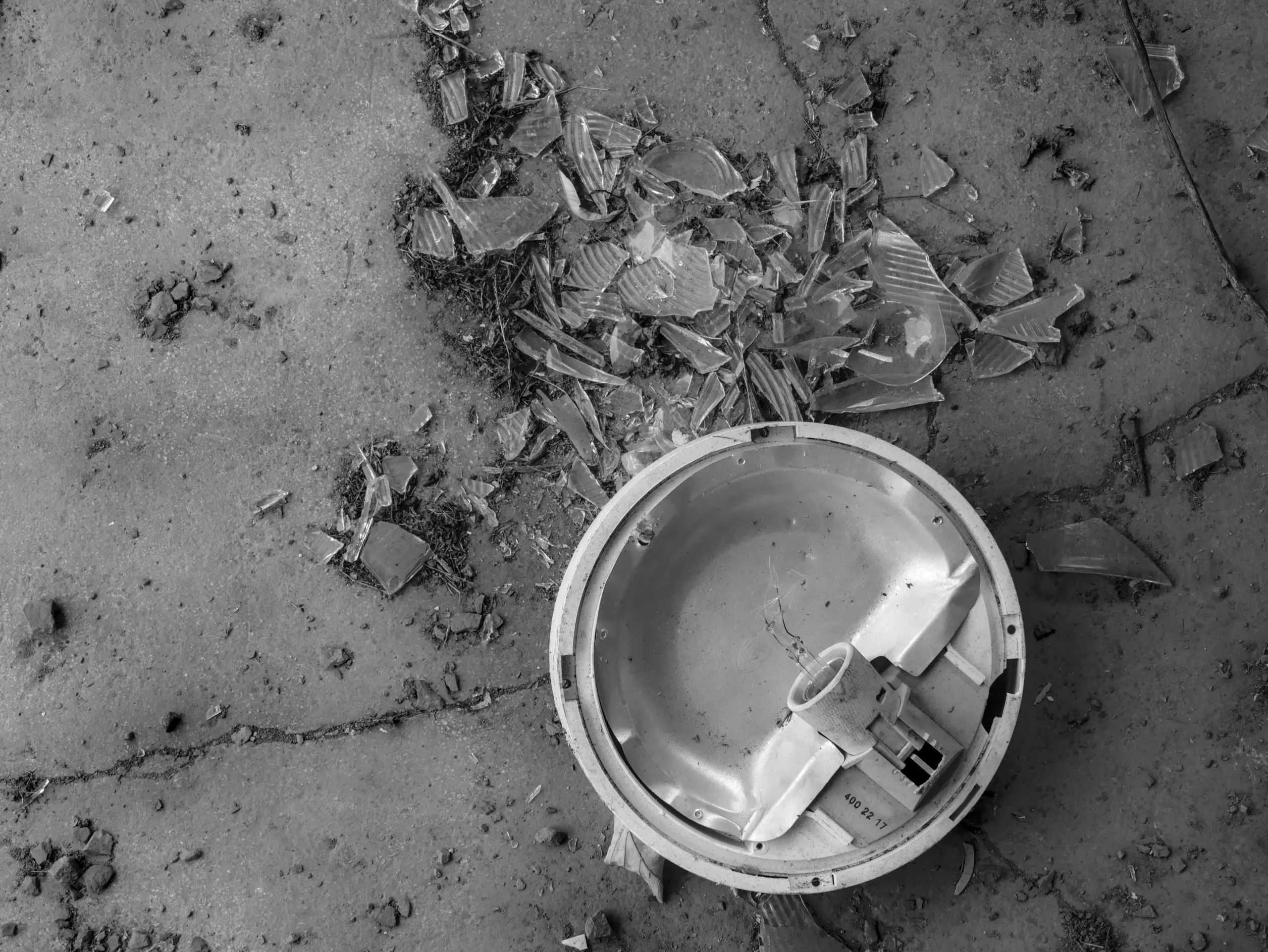
Tenant-related theft and vandalism lead to claims that require a scope of damage determination.
As an adjuster handling the claim, you need someone who will determine scope of damage and recommend the best next steps. If the electronics aren’t available to assess, an expert should provide a desktop pricing review to verify market value costs and that replacements are LKQ.
3. An Increase in Pre-Home Sale Insurance Claims
Analysts have hopes for a shift in the housing market in 2024 with speculation about lower mortgage rates and more people listing their homes on the market. For adjusters, that means the potential for an increase in pre-home sale insurance claims.
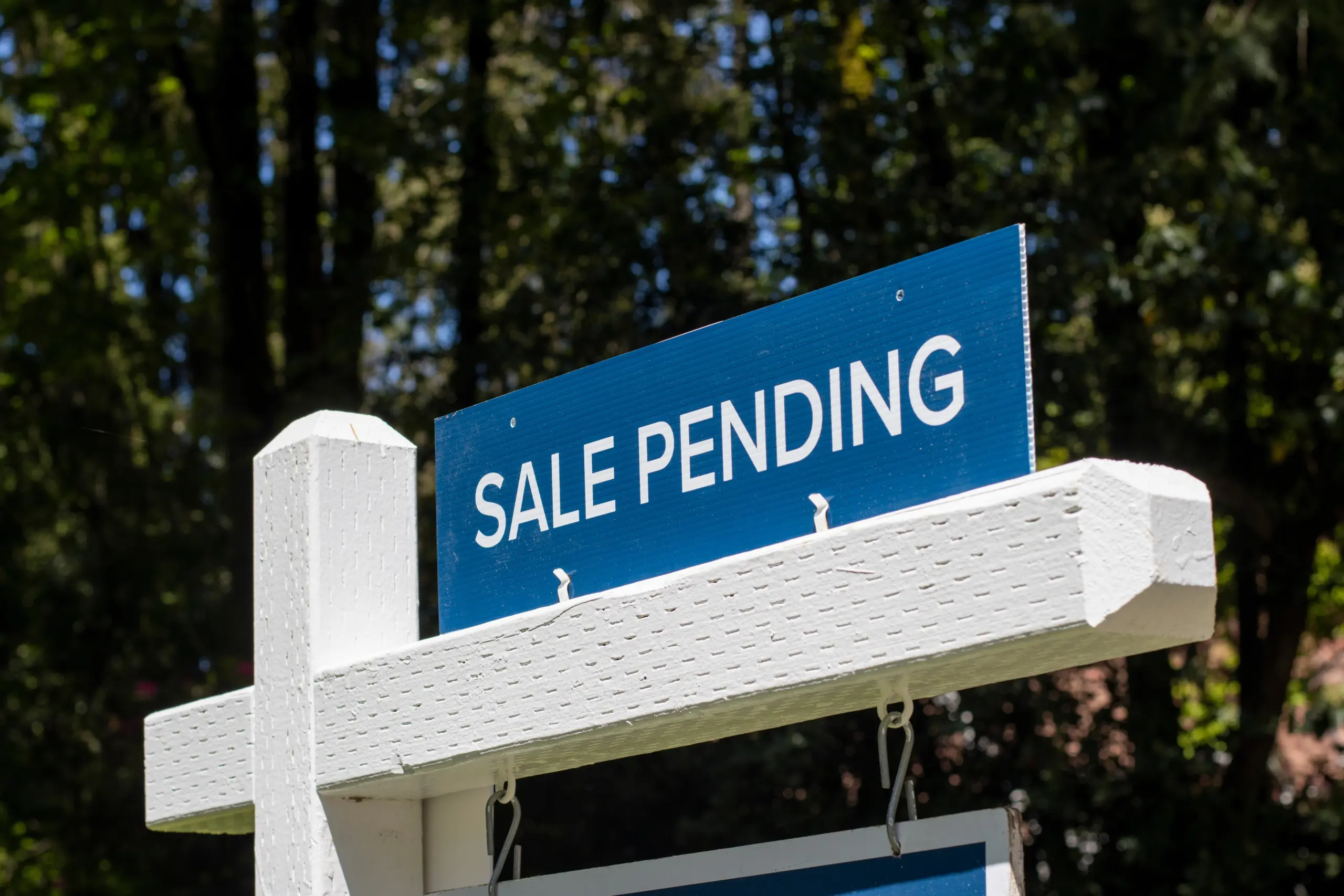
A change in the housing market could mean more pre-home sale claims.
Open insurance claims don’t typically prevent someone from selling a home, and carriers can’t delay or deny property transfers if one is pending. The purchase agreement would dictate who would receive the claim settlement, particularly if the repairs or replacements haven’t occurred yet.
Many policyholder electronics typically move with the person. However, some appliances and specialty equipment, such as water heaters, electrical systems, pool equipment, and solar panels – not to mention the often-negotiated refrigerators or washers and dryers – can still wind up in these claims.
Carriers handling a claim filed before a home sale need objective answers quickly.
4. A Misunderstanding That Insurance Is Not for Maintenance and Upkeep
Adjusters know insurance aims to help policyholders recover from damages sustained from a covered cause. Yet, each year thousands of claims include losses that could have been prevented had the policyholder properly maintained their electronics. For example, 27% of claimed water heaters that StrikeCheck assessed sustained wear and tear damage. It’s up to the policy if those circumstances would lead to a settlement.
It’s doubtful that policyholders will better understand what constitutes a covered loss under their policy in 2024. This can result in a lot of wasted effort and time – and resources if the claim is inaccurately settled.
Whether it’s claims related to home automation, theft and vandalism, or pre-home sales, or simply a claim that needs cause of loss verification, StrikeCheck can help. Objective expert analysis of claimed electronics and specialty equipment can remove the guesswork to give you the information needed to settle a claim.
Submit an assignment to StrikeCheck, part of Alpine Intel’s suite of services, to get the answers you need quickly.

Don’t miss insurance-focused resources and webinars about property, perils, and trends impacting claims nationwide by signing up for The Savvy Adjuster Newsletter.

Be sure to also tune in to The Savvy Adjuster Podcast to hear more from the experts themselves.
Alpine Intel’s content is meant to inform and educate readers using general terms and descriptions. They do not replace expert evaluations that determine facts and details related to each unique claim.
Related Resources

Electronics Fire Claim Case Study
Smoke and fire claims are likely to include many items that could be damaged. However, not all items present during the fire will need to be replaced.

Hot Tub Claim Case Study
The insured for the claim in this case study was only guessing that the damage to a hot tub was related to a surge.

Property Insurance Claim Trends for 2022
The year 2021 may have felt like a blur as the world learned to navigate a new normal left from the swift and lasting effects of the 2020 pandemic.