
How Susceptible Are Pile Foundations to Hurricane-Related Damage?

Key Takeaways
Throughout this article, you’ll learn how:
- Pile foundations can sustain hurricane-related damage
- Loss indicators appear on various pile foundation building materials
- Licensed Professional Engineers can help confirm the cause and scope of reported damage
Atlantic and Gulf coast properties can have a higher risk of flood- or water-related damage because of their proximity to large bodies of water that birth tropical storms. Pile foundations, one of several options to elevate a structure above flood levels, mitigate this risk but aren’t indestructible.
Understanding how these deep-rooted structural components can be damaged—and how hurricane-related events could lead to losses—helps insurance professionals and homeowners know when a Professional Engineer’s expert opinion could clarify questions about reported issues.
What’s a Pile Foundation?
A pile foundation consists of long, slender structural elements, typically made of wood, concrete, or steel, that are driven or washed into the ground or cast-in-place. They’re common on residential and commercial properties. In general, piles should be able to bear the weight of the structure they support. The Association of State Floodplain Managers states that some could also be braced to prevent lateral movement.
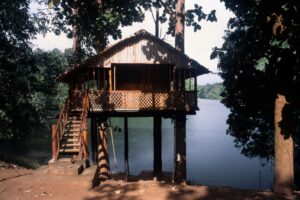
Pile foundations elevate residential and commercial structures to help prevent water- and flood-related losses.
How Does Hurricane-Related Weather Impact Pile Foundations?
Pile foundations that support elevated buildings can sustain significant structural damage from hurricane-related storm surge, flooding, and wind or storm-driven debris.
Storm Surge
Storm surge—the height of water above a normal tide—is often the most damaging part of a hurricane due to the forces it can inflict on a structure.
Frictional forces can erode the soil and frequently lead to pile foundation losses. Gradual erosion occurs when water, wind, or ice wear away soil. Scour is rapid soil erosion caused by moving water from a storm surge or river flow. Scour is more localized and results from water moving around an obstruction in the water, such as a pile. These forces could lead to “lowering ground elevations, undermining shallow foundations, and reducing penetration depth of pile foundations,” according to FEMA’s “Coastal Construction Manual.”
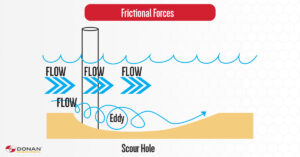
Scour can suggest that a pile foundation sustained damage from a hurricane-related event. The diagram shows how water moves around a pile and can create a scour hole.
Hydrodynamic and buoyant forces may also create instability in pile foundations.
Hydrodynamic force occurs when moving water applies lateral pressure on a structure. Breaking waves might also lead to vertical movement.
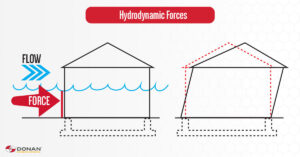
Damage from hydrodynamic forces may occur due to breaking waves or debris impact.
Buoyant force is determined by the weight of an object and the volume of water it displaces. It typically affects single-story, wood-framed structures that aren’t properly fastened to their foundation. Coastal decks and docks, often constructed on pile foundations, could be affected.
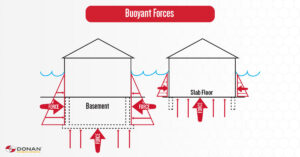
The weight of an object and volume of water determines buoyant forces.
Flooding
Rising sea levels and heavy rain can lead to hurricane-related flooding, which could cause flood-induced settlement on coastal structures with pile foundations. This may present as uneven floors and/or leaning walls in a building, or even leaning piles, due to sinking or shifting piles.
In addition to water-related forces that compound on a structure, flood-borne debris can damage small-diameter posts and piles, as well as the structural elements they support, according to FEMA.
Wind and Storm-Driven Debris
Hurricane-related wind speeds tend to be faster over open water and near coasts, where pile foundations are more popular.
Much like on inland properties, wind- and storm-driven debris typically impact structures from the top down and outside in, with weak, collateral components being affected first. For instance, a structure with torn shingles or a detached gutter, in addition to cracks in a foundation pile, could have sustained wind-related damage. A licensed forensic engineer would be able to assess whether the damage was from the same weather-related event or another cause of loss.
What Could Indicate the Presence of Pile Foundation Damage?
Loss indicators related to pile foundations can vary based on building material and what may have caused the damage in question but generally include:
- Cracks in load-bearing walls
- Displacement or tilting of pile caps
- Sudden settlement or heaving of ground surfaces
- Misalignment in beams, doors, or windows
- Ponding water or seepage around foundation zones
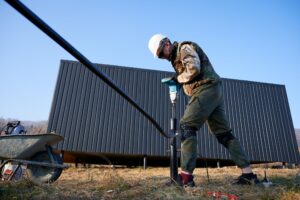
Pile foundations for wood-framed homes are common in coastal regions.
Piles constructed with reinforced concrete can be driven, washed, or augured into the ground. The type of concrete pile foundation used depends on ground conditions and building requirements.
Treated wood piles are common in coastal construction, according to FEMA. The storm surge damage they sustain depends on their depth and the extent of water-related exposure. For example, a Hurricane Ivan Damage Survey found varying levels of damage to structures built on timber piling foundations:
- Minor damage: Removal of cross bracing between piles
- Moderate damage: Sand erosion around the pile bases and rotated pilings
- Severe damage: Crushed or broken pilings that preceded complete or partial building collapse
Steel piles are seen in commercial structures such as bridges and offshore oil platforms but may also support high-rise buildings. In addition to indicators for any pile foundation material, steel piles could experience corrosion or buckling from environmental exposure.
Insurance professionals and property owners can seek objective forensic engineering assessments for residential or commercial properties that may have been impacted by hurricane-related events, whether the structures are new or historic.
Why Seek an Assessment From a Professional Engineer?
Those who seek an assessment from a Professional Engineer can benefit from their industry knowledge. Engineers understand how regional differences in base flood elevation requirements and a storm’s severity could influence pile foundation stability. They may also receive in-house training, like the licensed forensic engineers at Donan Engineering, which gives them deeper insights regarding how hurricane-related events can lead to damage on various foundation types.
Their expert opinions are based on objective observations and can be supported by historical imagery, property history, local or federal flood-related regulations, and other unbiased information-gathering methods.
Structural assessments and related reports from Donan Engineering include that level of detail. Built on decades of experience, Donan Engineering, part of the Alpine Intel suite of services, delivers actionable intelligence through forensic engineering investigations. With fast cycle times and exceptional reports, engineers provide expert opinions that answer complex and challenging questions about property loss, including hurricane-related losses to structures on pile foundations. Submit an assignment today.
Engineering services are provided by or subcontracted to Donan Engineering, LLC, Donan Engineering NC, PLLC, or Donan Forensic, LP.

Don’t miss insurance-focused resources and webinars about property, perils, and trends impacting claims nationwide by signing up for The Savvy Adjuster Newsletter.

Be sure to also tune in to The Savvy Adjuster Podcast to hear more from the experts themselves.
Alpine Intel’s content is meant to inform and educate readers using general terms and descriptions. They do not replace expert evaluations that determine facts and details related to each unique claim.
Related Resources
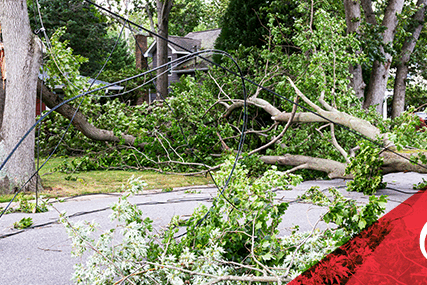
Hurricane-Related Wind Damage Case Study
Discover how StrikeCheck determined the cause and scope of loss for reported hurricane damage in a claim including an electric range, electrical service panel, wiring, and lighting.
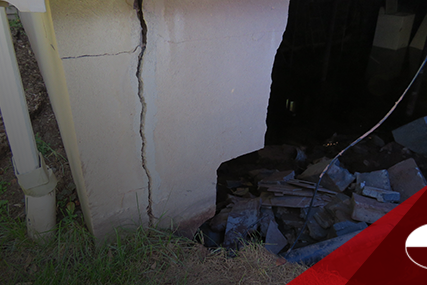
Hurricane-Related Damage or Wear and Tear?
Take this short 5-question quiz to see if you can identify the hurricane-related damage compared to long-term wear and tear.
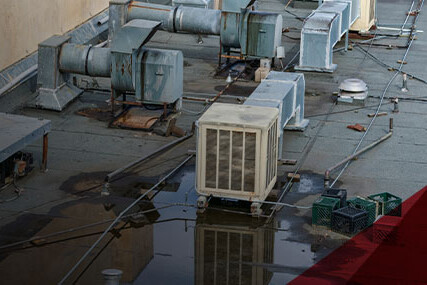
HVAC Hurricane-Related Damage or Another Peril?
Take this short 6-question quiz to see if you can identify the hurricane-related HVAC damage compared to impacts from other perils.