How Intensity and Duration Dictate Structural Damages in Fires

Fires are immensely powerful, with the capacity to cause catastrophic damage in a matter of minutes. For claims adjusters, comprehending the nuances of fire intensity and duration is paramount. This knowledge from an expert analysis dictates the accuracy of their damage assessment and ensures proper evaluation. Understanding a fire’s dynamics can offer insights into its scope of damage. An in-depth understanding of how fires damage structural building components solidifies the adjuster’s role as a reliable bridge between policyholders and insurers, safeguarding the integrity and efficiency of the claims process.
Understanding the Basics of Fire Behavior
Heat naturally travels upward and outward due to buoyancy, given that warm air is less dense than cooler air. As a fire progresses, a thermal layer develops at the ceiling, radiating heat energy downward onto all surfaces below. This phenomenon, coupled with fresh cooler air approaching the fire below the thermal layer, sustains the fire’s intensity and can lead to rapid spreading. If the fire is left to progress, a flashover (or full-room involvement) will occur.

The structural members, like beams, rafters, and ceiling, within the attic space show pronounced signs of fire damage.
Ventilation further influences fire’s behavior. Openings, voids, and any fresh air or oxygen source can dramatically alter the fire’s dynamics. More ventilation leads to increased airflow, thereby enhancing the fire’s intensity. Notably, this can result in the fire spreading into typically hard-to-reach areas such as the attic.

The entrance to the attic exhibits charred marks and smoke stains.
Before going through a fire investigation, here are five questions to ask first.
Intensity and Duration
Two factors stand out when assessing structural damage post-fire: intensity, which relates to temperature, and duration, or the length of time the fire burned.
Certified fire investigators and licensed engineers gauge the intensity of fire through various means. For example, observing damage to non-structural components and materials, such as vinyl, copper, and drywall, can provide clues about the fire’s maximum temperature. Understanding the physical effects of temperatures on various materials – ranging from aluminum to steel – provides a comprehensive insight into the level of damage a structure might have sustained.
The duration, however, helps us understand how much the structure was exposed to these high temperatures. A certified fire investigator determines this by gathering and analyzing data, such as interviewing witnesses, reviewing fire department reports, and reviewing footage from surveillance cameras and media.
Learn what to expect from a fire investigation in this guide.
Building Codes and Fire-Resistance Ratings
Building codes are more than just regulatory standards; they are protective measures for our structures. These codes mandate that walls and floors are constructed to resist fire for specific durations, denoted by their fire-resistance ratings. For instance, a wall with a 1-hour rating is designed to withstand fire for approximately that duration. This not only prioritizes human safety but also safeguards the core integrity of the building against fire damage.

The attic is thoroughly coated with smoke residue, and all its supporting structural elements have been scorched and charred.
Understanding these ratings is important when evaluating fire-related damages. Knowledge of fire-resistance ratings can help determine if a building is up to code, influencing the liability assessment and the subsequent claim. It offers a baseline against which to measure the extent of damage, ensuring that evaluations are accurate and comprehensive.
Assessing Damage on Different Materials
A forensic engineer might lean heavily on visual evaluations when doing a post-fire claim assessment for an adjuster, especially for residential and light commercial buildings. However, the materials you’re assessing play a pivotal role in shaping the nature of your evaluation. Consider the following:
- Wood: A universal construction material, wood darkens around 390 degrees and begins charring at roughly 450 degrees. The charred layer acts as a protective shield for the interior wood. This charring can cause section loss, which is a clear indication of structural damage. While burning wood produces soot, it’s essential to note that soot doesn’t result in structural damage.
- Steel: Steel is vulnerable when exposed to temperatures high enough to alter its metallurgical properties, typically above 1,200 degrees. Damages to steel are visually evident in the form of warping, twisting, buckling, corrosion, pitting, and oxidation. However, a general rule of thumb dictates that if steel remains straight post-fire exposure, it is likely still structurally sound.
- Concrete and Masonry: These materials can show signs of fire damage through color changes, fresh cracking, spalling, pitting, and mortar softening. Rapid cooling from fire suppression efforts can lead to sudden contraction and cracking. Striking concrete with a hammer or scraping mortar can often indicate the extent of damage, with a solid sound suggesting little or no damage and a hollow one indicating significant structural compromise.

The kitchen bears the aftermath of a fierce fire, with charred walls, melted appliances, and a smoky residue covering most surfaces.
In the aftermath of a fire, understanding what is not damaged is as crucial as noting what is. Items like clothes, cardboard, PVC piping, plastic containers, and electrical outlet plates can provide vital clues to the fire’s temperature and behavior.
Before settling claims, it’s imperative to understand the breadth of post-fire investigation. While visual evaluations are essential, especially when it comes to structural materials, a significant component of these inspections revolves around safety considerations. The presence of mold, accumulated debris, necessary cleaning processes, and the potential danger of asbestos critically inform the next steps and interventions.

The bathroom, bathed in a dark gray hue, clearly displays the lingering effects of smoke on its tiles and fixtures.
Post-fire assessment is a complex process of observations, analyses, and decisions. It’s beneficial for claim adjusters to understand how fire intensity and duration influence structural damages to help them gain insights into restoration and reconstruction efforts. However, it is important to seek expert evaluations, like those from certified fire investigators or licensed engineers, after a fire incident.
Get your questions on fire investigation and evidence management answered in this slideshow article.
Providing adjusters with this detailed knowledge significantly reduces the risk of overlooking crucial details, guaranteeing thorough evaluations, meticulous repairs, and the assurance that homes and buildings are safe for occupancy, which could impact the claim outcome. That is why it’s imperative that adjusters collaborate closely with forensic engineers to achieve precise and reliable assessments of property included in claims.
Getting an objective expert’s opinion is crucial to determining damage caused by fire and smoke accurately. Submit an assignment to learn how Alpine Intel can help with services like forensic engineering evaluations, fire investigations, HVAC system assessments, and electrical equipment inspections to assist with your property damage claims.

Don’t miss insurance-focused resources and webinars about property, perils, and trends impacting claims nationwide by signing up for The Savvy Adjuster Newsletter.

Be sure to also tune in to The Savvy Adjuster Podcast to hear more from the experts themselves.
Alpine Intel’s content is meant to inform and educate readers using general terms and descriptions. They do not replace expert evaluations that determine facts and details related to each unique claim.
Related Resources

Church Structural Damage Claim Case Study
An adjuster turned to Donan’s experts after a church’s ceiling fractured and fell in. Our engineer verified the cause of loss and identified the safety risks.
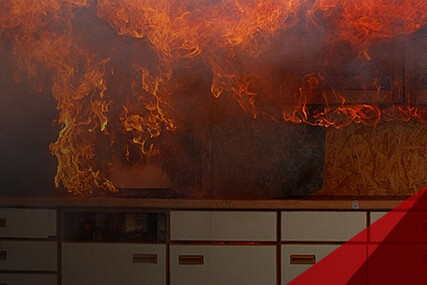
Your Guide to Decoding Range Top Fires
Make sure you’re getting what you need from your investigative partners for kitchen fire claims by arming yourself with basic facts and key indicators.
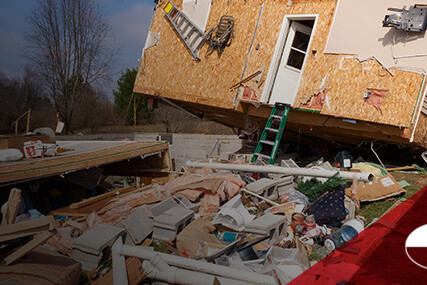
Your Guide to Structural Tornado Damage
Tornadoes can cause an array of structural damages. Get familiar with these losses and learn which indicators may point toward another cause of loss.