How 3D Imaging Enables You To Explore Fire Scenes, Virtually

Walking through a single-family home after a recent fire, you see the damage left behind. Blackened beams stand out against what remains of pale walls. The ceiling sags in places, weakened by intense heat. Navigating through the burned debris to reach the upstairs bedroom, where the fire began, requires caution. But as an insurance adjuster sitting at your desk hundreds of miles away, exploring the upper levels of this house is easy—with the help of 3D imaging.
Using this advanced technology, National Fire Experts (NFE) certified fire investigators can map interactive 3D models of fire scenes when conditions allow and share them along with their written reports. Read on to learn how these models can help insurance and legal professionals access fire scenes remotely, obtain important information about the loss, and preserve evidence for litigation.
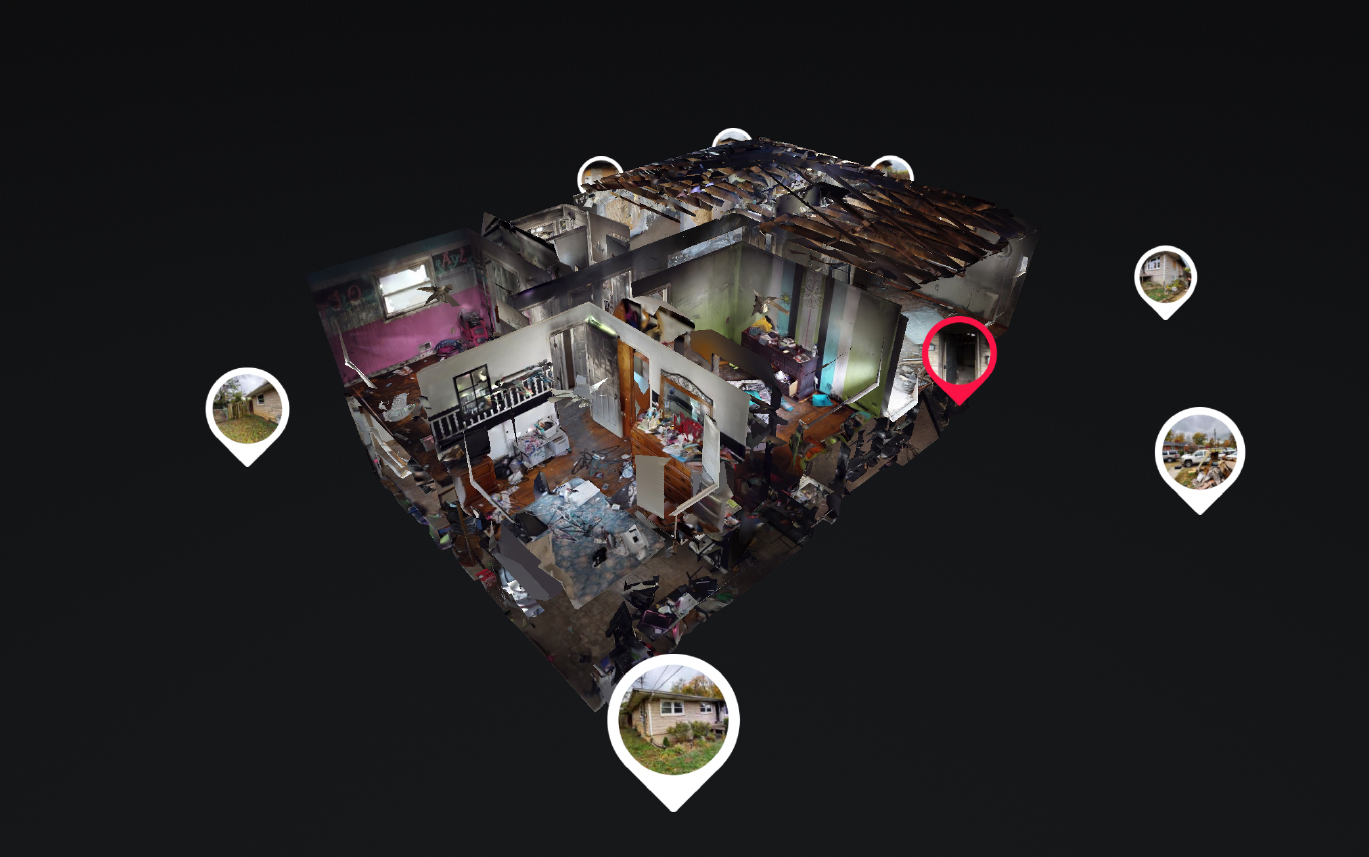
3D scans enable adjusters to see the whole interior of a structure or zoom in on specific rooms.
3 Key Benefits of a 3D Scan for Insurance and Legal Professionals
NFE investigators use 3D imaging technology to help clients explore fire scenes they otherwise may be unable to, better understand findings in their reports, and protect evidence for potential litigation.
1. 3D Imaging Can Be Accessed Remotely
3D cameras can be a game-changer for desk adjusters who can’t visit fire scenes. These devices produce detailed scans that offer a virtual overview of the damaged property, enabling adjusters to safely and thoroughly survey the site after an investigation. Through this technology, adjusters can evaluate damage, confirm contents from a property, and even verify appliance specifics like make and model.
As an added feature, 3D cameras can even utilize measurements from these scans to generate data files that can be imported directly into Xactimate and eliminate the need for adjusters to manually sketch and measure items included in the fire claim. These data files, when combined with the 3D visual model, can help adjusters to better understand the space and assess damage or repair requirements. This cost-effective technology also allows adjusters to begin the estimation phase remotely, without needing to visit the loss location. 3D scans and data files for Xactimate are often available within two business days, allowing adjusters to spend less time traveling and resolve claims more efficiently.

3D imaging enables adjusters and legal professionals to remotely navigate fire scenes as documented by NFE certified fire investigators.
2. 3D Imaging Illustrates Critical Findings
3D scans can complement standard photography by enabling the viewer to virtually navigate the scene in detail. Referencing 3D scans while reading through a fire investigator’s comprehensive report can help insurance and legal professionals see and understand key findings, such as the area of origin, the ignition sequence, and the most plausible cause. This detailed visual representation ensures that all stakeholders are on the same page when evaluating the damage and determining the next steps.
3. 3D Imaging Preserves Evidence for Litigation
Fires of all sizes can result in complex claims and legal challenges, years or even months after an incident. This is where 3D scans can offer immense value.
By preserving the fire scene as it was at the time of the initial investigation, a 3D scan acts as a virtual time capsule that can be returned to again and again. Properly preserved and authenticated 3D scans can provide crucial visual evidence during litigation or subrogation proceedings. Furthermore, maintaining a thorough record of the fire scene through 3D scans helps mitigate concerns about evidence spoliation. With a 3D scan, investigators and stakeholders can virtually revisit the loss site, even if it has been repaired or destroyed.

NFE investigators use 3D cameras to supply insurance and legal professionals with a detailed view of the fire scene.
Combining Technology With Expertise
The best fire investigation partners understand that advanced technology should be paired with experience and knowledge. That’s why all of NFE’s certified fire investigators are not only equipped with 3D cameras, but also a wealth of experience. They each provide 3D scans of fire losses when conditions allow, deliver data files compatible with estimating software for importing measurements and 3D sketches upon request, adhere to the NFPA’s guidelines and standards for fire investigations, and use an in-depth 11-step process to determine the most plausible origin and cause of a fire.
And if your claims or fire cases do result in litigation, NFE investigators can continue to provide support in the form of clear, unbiased, and professional testimony. For top-of-class, actionable fire reports, submit an assignment.

Don’t miss insurance-focused resources and webinars about property, perils, and trends impacting claims nationwide by signing up for The Savvy Adjuster Newsletter.

Be sure to also tune in to The Savvy Adjuster Podcast to hear more from the experts themselves.
Alpine Intel’s content is meant to inform and educate readers using general terms and descriptions. They do not replace expert evaluations that determine facts and details related to each unique claim.
Related Resources

Truck Fire Case Study
Learn how the National Fire Experts investigator determined the origin and cause of a truck fire using fire patterns, witness statements, and other evidence.
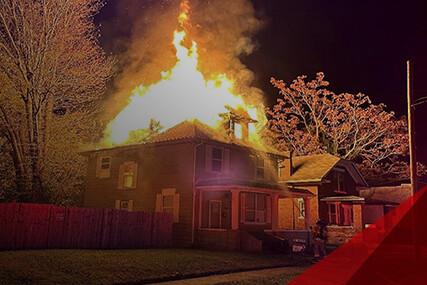
Apartment Fire Case Study
Learn our fire investigation process and how we secure evidence with this fire case study that has indicators of incendiary fire.
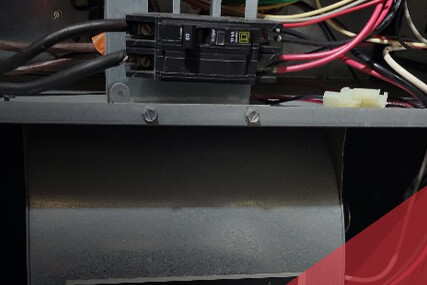
Explore Residential Split Systems
Explore this interactive guide to learn why they’re such a common residential HVAC system, how to recognize critical components, and what perils may affect them.