Equipment Restoration Following Fire and Water Losses

When equipment or technology sustains damage from fire or water, business operations and recovery depend on a restoration strategy that minimizes downtime and preserves critical equipment. Here are some of the restoration techniques the experts at TechLoss Consulting & Restoration employ to safely evaluate the affected equipment and determine the best way to return it to a pre-loss condition.
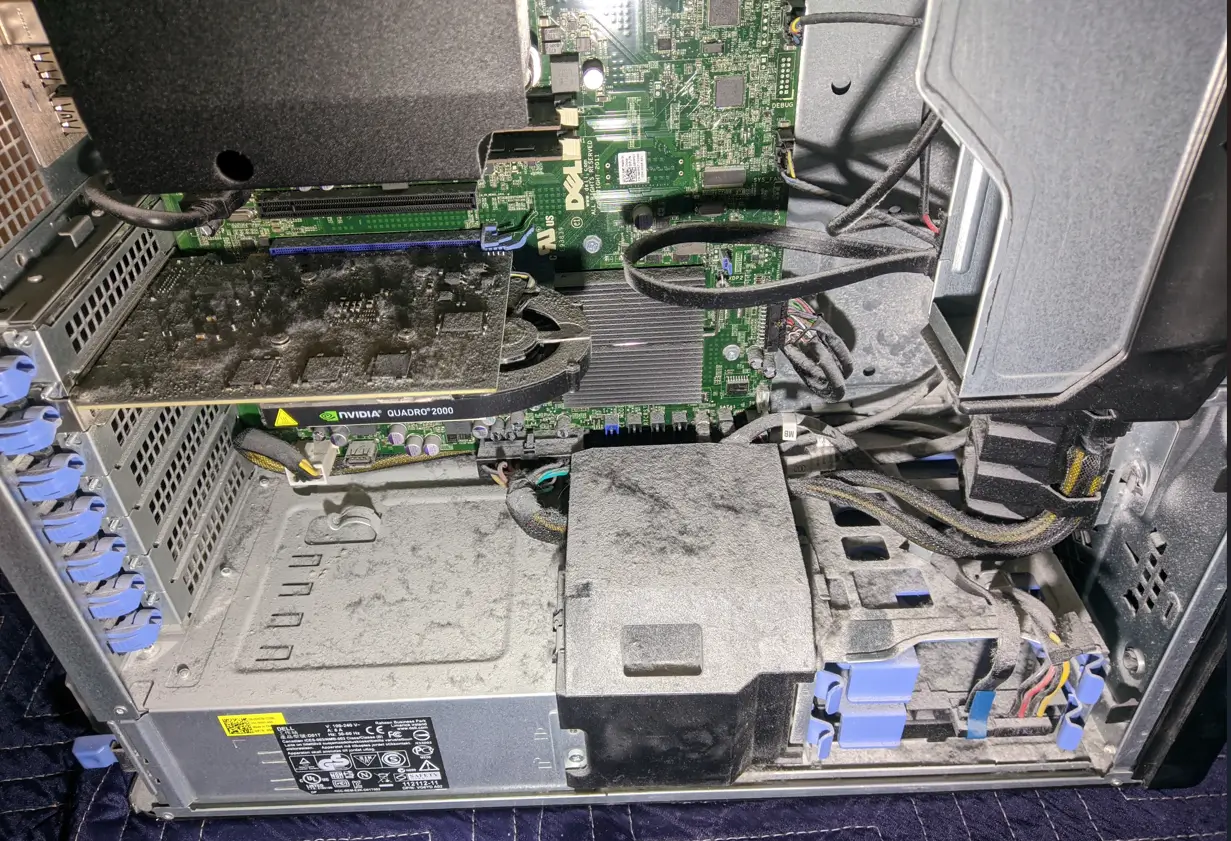
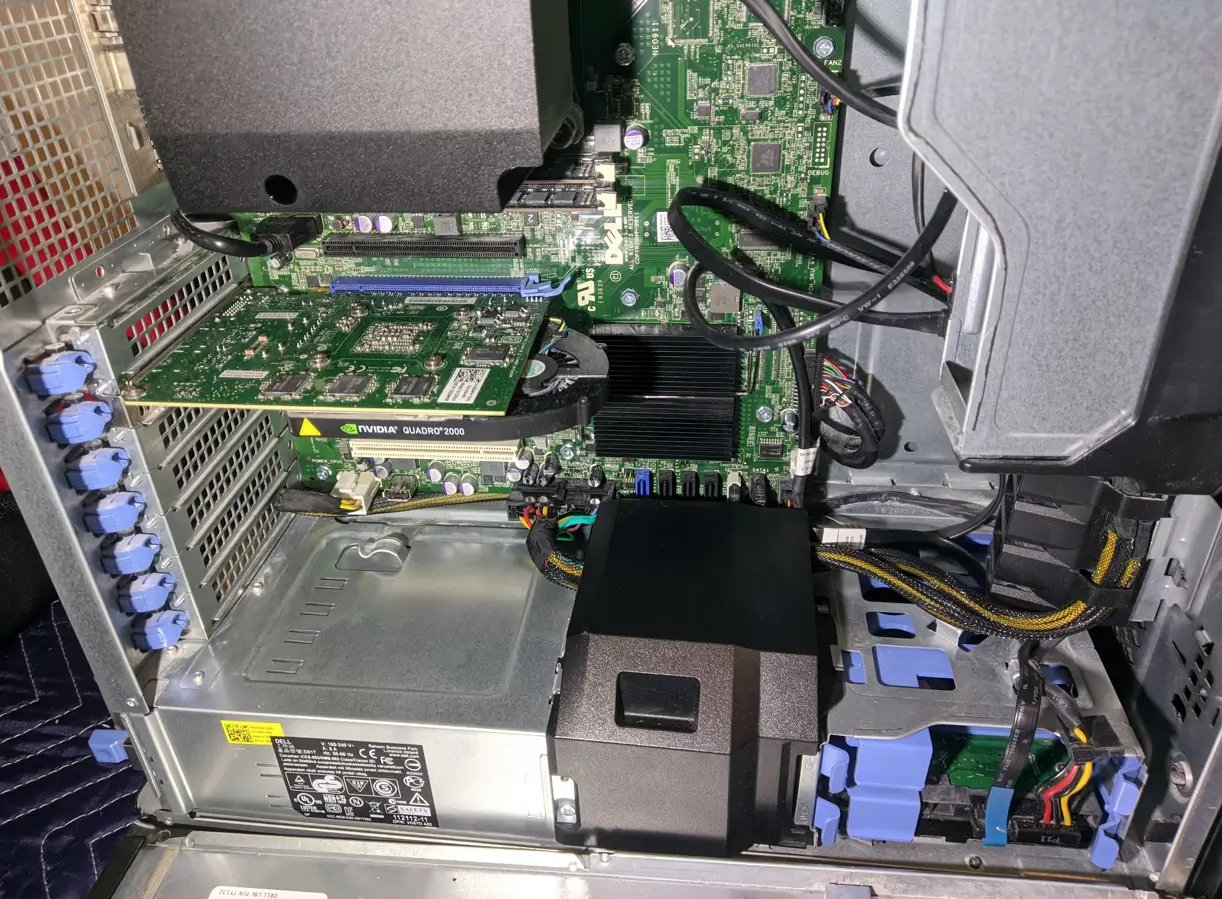
A circuit board was contaminated by water, but expert professional restoration practices were able to return it to pre-loss condition, minimizing the impact on business operations.
Before the Restoration
Following the fire or water loss incident, seek out a trusted partner to evaluate and inventory all equipment as soon as possible. Time is of the essence. Techniques such as “pickling” the equipment can stop corrosion in its tracks. Ensure your restoration partner is well versed in the Department of Energy (DOE) guidelines for returning equipment to an industry-approved standard. Furthermore, all equipment must be protected from further contamination throughout the process. This may involve removing the equipment to a climate-controlled facility or erecting plastic barriers to safeguard equipment.
All losses are different, and whether equipment can be restored will depend on various factors, including:
- Degree and Type of Exposure: The extent and duration of the equipment’s exposure to the peril, such as direct flames or water (including from firefighting efforts), play a significant role in equipment restoration. Longer exposure often makes recovery more challenging. In water losses, the source and type of water can heavily impact equipment restoration efforts. Clean water is less likely to cause irrevocable damage than black water, which contains harmful contaminants.
- Damage to the Equipment: Certain damages that can hinder recovery, like warping, swelling, or melting, are visually apparent. Inside the equipment, the condition of internal components is critical. Levels of contamination can only be determined once the equipment has been disassembled and evaluated. In cases of smoke contamination, scientific wipe sampling may be required to document contamination levels. In other situations, rust may be visible to the human eye.
- Equipment Design and Pre-loss Condition: The initial design and maintenance of the equipment before the incident can also influence the recovery process.
Once your restoration partner has assessed functionality, if applicable, and collected some background information, they can begin the restoration process.
Equipment Cleaning Techniques
The expert restoration team should test the equipment inside and out for chlorides and sulfates, two ions that can contribute significantly to corrosion. Once contamination levels have been verified, the equipment is ready for cleaning and stabilization.
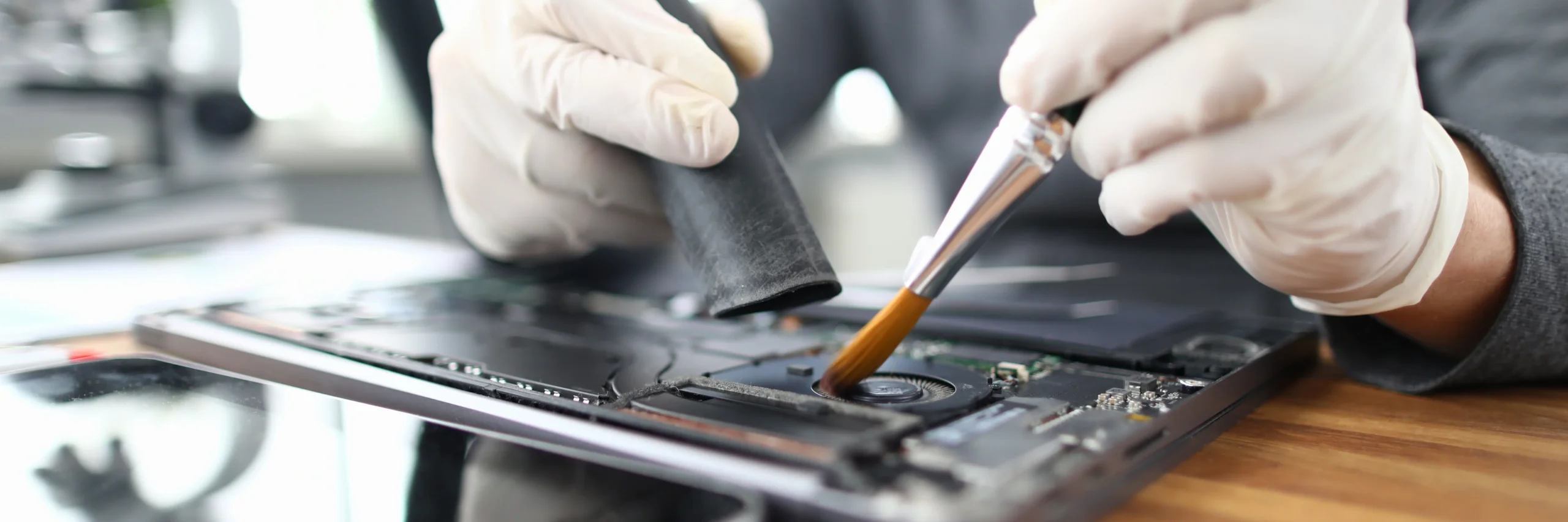
Experts can determine which of a variety of cleaning techniques is most appropriate based on the damage and equipment type.
There is no one-size-fits-all solution when it comes to equipment cleaning. A restoration service should be familiar with the equipment and conditions unique to your situation to tailor methods to ensure your equipment is properly restored. There are a range of equipment cleaning techniques, all of which should be handled only by professionals to avoid further damage. These include:
- Wet and dry cleaning with industry specific, purified water and specialized chemicals may be an effective way to clean certain surfaces.
- Ultrasonic cleaning uses sound waves in a solution to create bubbles that expand and collapse, effectively “scrubbing” away dirt, dust, ash, soot, or other contaminants.
- Moisture removal via convection oven is suitable for certain elements only. However, this must be done carefully; improper disassembly or unsuitable conditions may lead to further damage.
- Contamination removal via vacuum also requires professional handling. Sensitive components can build up static electricity if performed incorrectly, resulting in potential harm.
- Steam cleaning can remove contaminants like soot and ash. However, many internal elements are moisture sensitive, so only a professional familiar with the appropriate use of steaming should perform this cleaning.
- Abrasive cleaners are effective in removing certain contaminants from hard-to-access areas.
Equipment restoration after a fire or water loss is a delicate but essential process for businesses. Acting quickly and working with a reliable partner like TechLoss Consulting & Restoration, part of Alpine Intel’s suite of services can make all the difference in minimizing downtime and improving the chances of equipment restoration. TechLoss uses their expertise to provide a customized approach that minimizes downtime and improves the chances of equipment recovery following contamination. Submit an assignment to ensure your damaged equipment or technology failure is in the hands of professionals who understand the value of precision and care.

Don’t miss insurance-focused resources and webinars about property, perils, and trends impacting claims nationwide by signing up for The Savvy Adjuster Newsletter.

Be sure to also tune in to The Savvy Adjuster Podcast to hear more from the experts themselves.
Alpine Intel’s content is meant to inform and educate readers using general terms and descriptions. They do not replace expert evaluations that determine facts and details related to each unique claim.
Related Resources

Kitchen Equipment Fire Case Study
The policyholder and the insurance adjuster handling the claim weren’t sure how the garage fire started and needed conclusive evidence to know why it occurred and how to prevent another one.
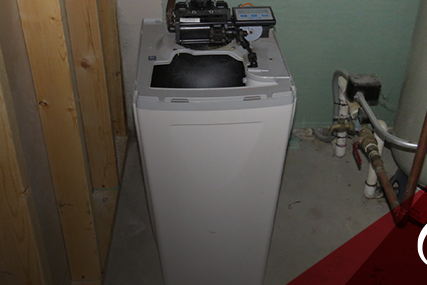
Your Guide to Water Softeners
The guide explores the consequences and evidence of hard water in a home, common causes of failure for water softeners, and more.
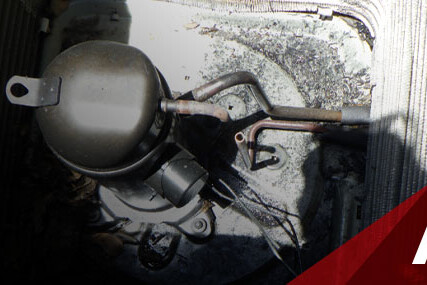
Smoke and Fire Damage to HVAC Equipment | The Savvy Adjuster Podcast Ep. 19
Find out why even distant fires may lead to a claim, which different types of smoke can impact equipment, how changing codes and regulations affect adjusters’ processes, and more.