Adjusters, Ensure Accurate HVAC Claims Settlements by…
Settling claims fairly and accurately begins with making sure you as an adjuster have all the necessary information from the start and that it’s verified. This includes determining cause of loss, scope of damage, and appropriate repair or replacement recommendations priced at market value. Anything less means the claim settlements could be for an inaccurate amount.
Adjusters, ensure your claims with HVAC systems are settled as accurately as possible by:
1. Considering All Repair Options Rather Than Only Full Replacements
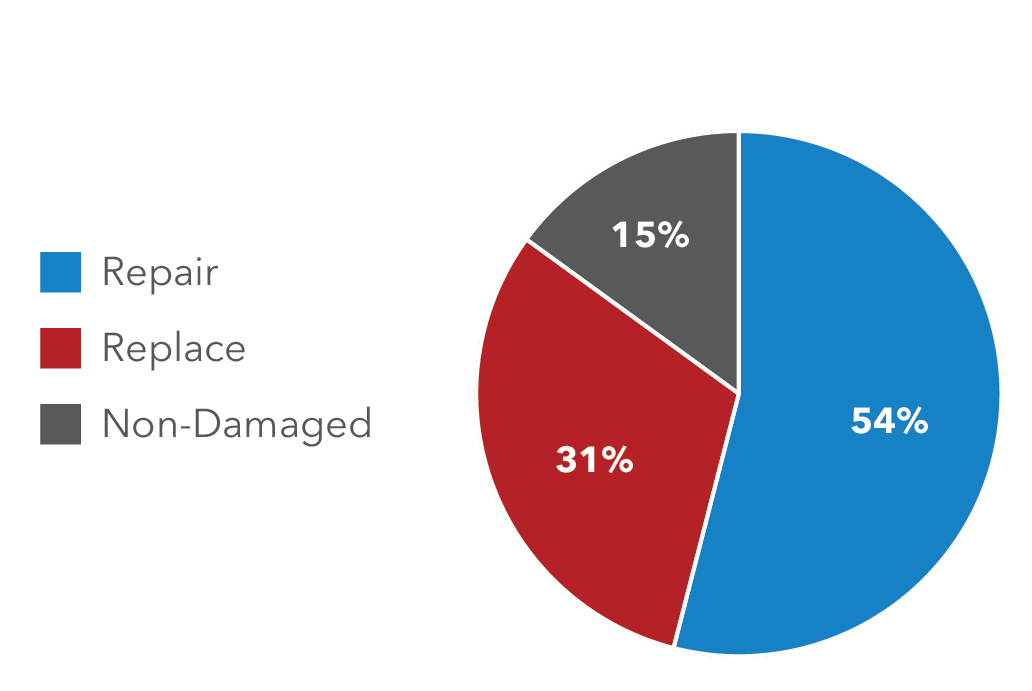
Nearly 70% of residential HVAC systems assessed by HVACi in 2024 were non-damaged or could be returned to pre-loss condition via repair.
Contractors often like to tell your insureds that a full HVAC system replacement is required to return them to pre-loss condition. They might use reasons such as, “Repairing an HVAC system only extends its lifetime by a year or two,” or that “Replacements will save you money in the long run.” Justifications exist for why a replacement may be necessary, including if there is a safety hazard or if the cost of repairs is more expensive than installing a new system. But full replacements are usually not the best solution, and most settlements don’t require one.
Repairs, including swapping out a major component and leaving the rest as it is, are more likely than replacements. The HVACi 2024 Annual Claims Report states only 31% of residential HVAC systems assessed by HVACi in 2024 required a full replacement. Even fewer—only 28%—of commercial HVAC equipment HVACi evaluated needed a full replacement. It’s important adjusters have an objective, expert HVAC assessment completed to see if an alternative is available that would be a more accurate and appropriate solution.
If you’re settling for more replacements than repairs, you’re likely adding unnecessary claims leakage.
2. Confirming Cause of Loss
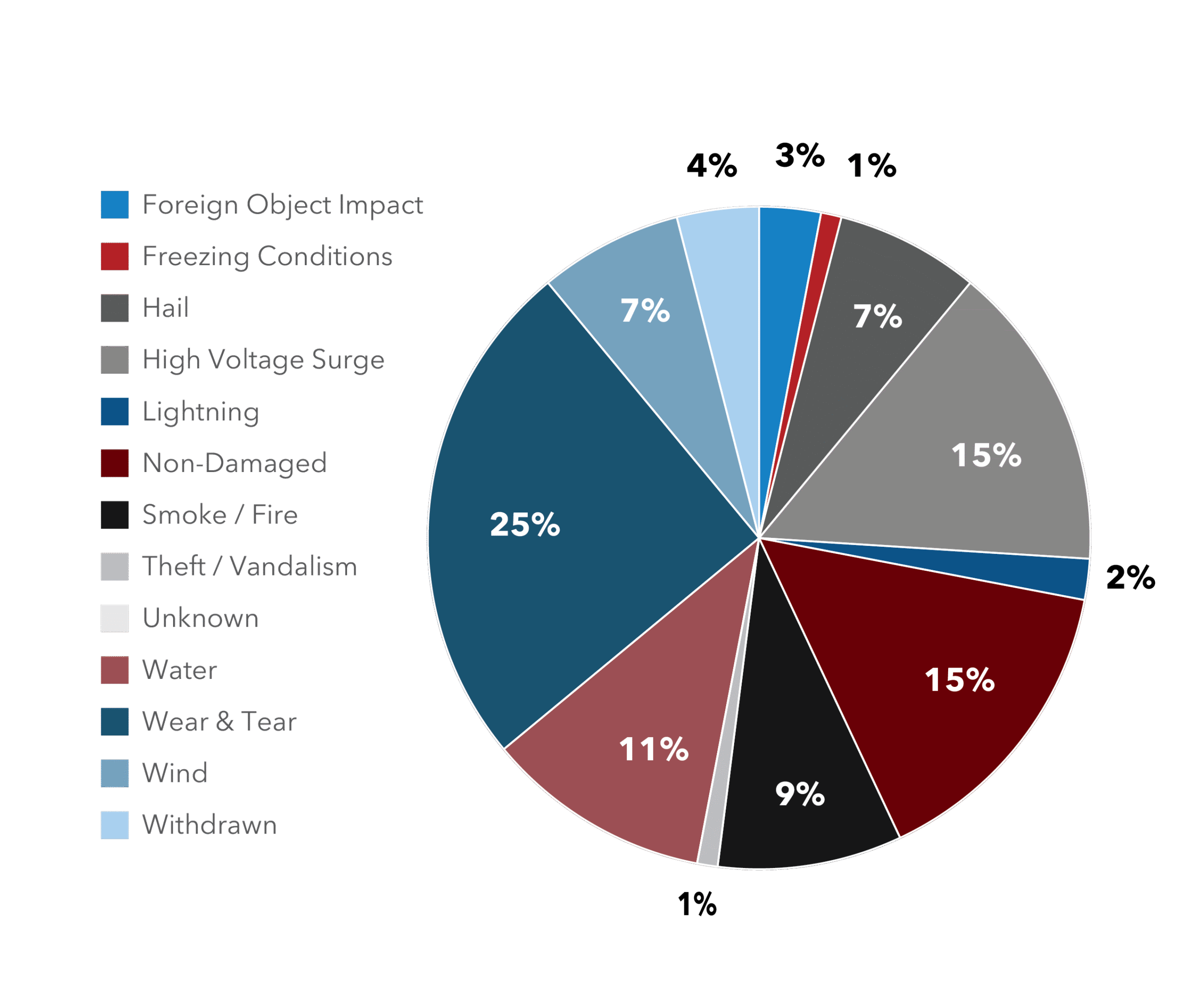
HVACi’s 2024 HVAC assessments determined these were the actual causes of loss for residential HVAC systems. Policyholders more often than not claimed them with a different reported peril, which could have resulted in settlements for damages that shouldn’t have been covered.
Lightning, wind, and water are all perils that affect HVAC systems and were the most frequently reported causes of loss outside of “unknown” for residential HVAC claims last year. However, HVACi assessments determined these perils were not actually the most common causes of loss impacting residential HVAC equipment, as is shown by the graph above. It’s important adjusters determine why the equipment sustained damage to ensure they’re making accurate settlements for only the perils covered by the policy.
Nearly half of the residential systems HVACi assessed in 2024 were recategorized to a peril other than what was claimed after evaluation. A quarter were determined to be damaged by wear and tear.
If you’re settling most HVAC claims without verifying cause of loss first, you likely have had inaccurate settlement results.
3. Assessing Each Unit in Claims With Multiple HVAC Systems
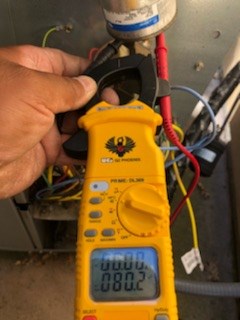 Thorough testing should be completed on all equipment, regardless of how many systems are included in each claim.
Commercial and large loss claims frequently have multiple systems included in them with a costly claimed amount. To get the most accurate results, adjusters should engage experts to thoroughly evaluate each item—even if there are hundreds.
Nearly one fourth of the commercial HVAC systems HVACi evaluated in 2024 were determined to be non-damaged at the time of assessment. Others may have been damaged by non-covered losses.
If you’re not working with an objective HVAC assessment partner that examines every HVAC system included in claims, you might be settling for equipment that wasn’t damaged or was damaged by a peril that isn’t covered by the policy.
4. Verifying Market Pricing and Availability
 Not double-checking equipment estimates could result in settlements that are higher than they should be. Photo Credit: “Accountant” by Shutterbug 75 / CC BY 4.0
Contractors provide policyholders estimates based on their company’s pricing, which may not be in line with market costs. An adjuster should verify scope of damage and the cost of equipment and labor to make the most accurate settlement.
Real facts should be the foundation for settlement costs. Material expenses should be based on market value pricing. Labor costs should be consistent with the loss location.
If you aren’t verifying market pricing, you might be settling for more than necessary.
5. Being Up To Date on Regulations and Exactly What They Mean
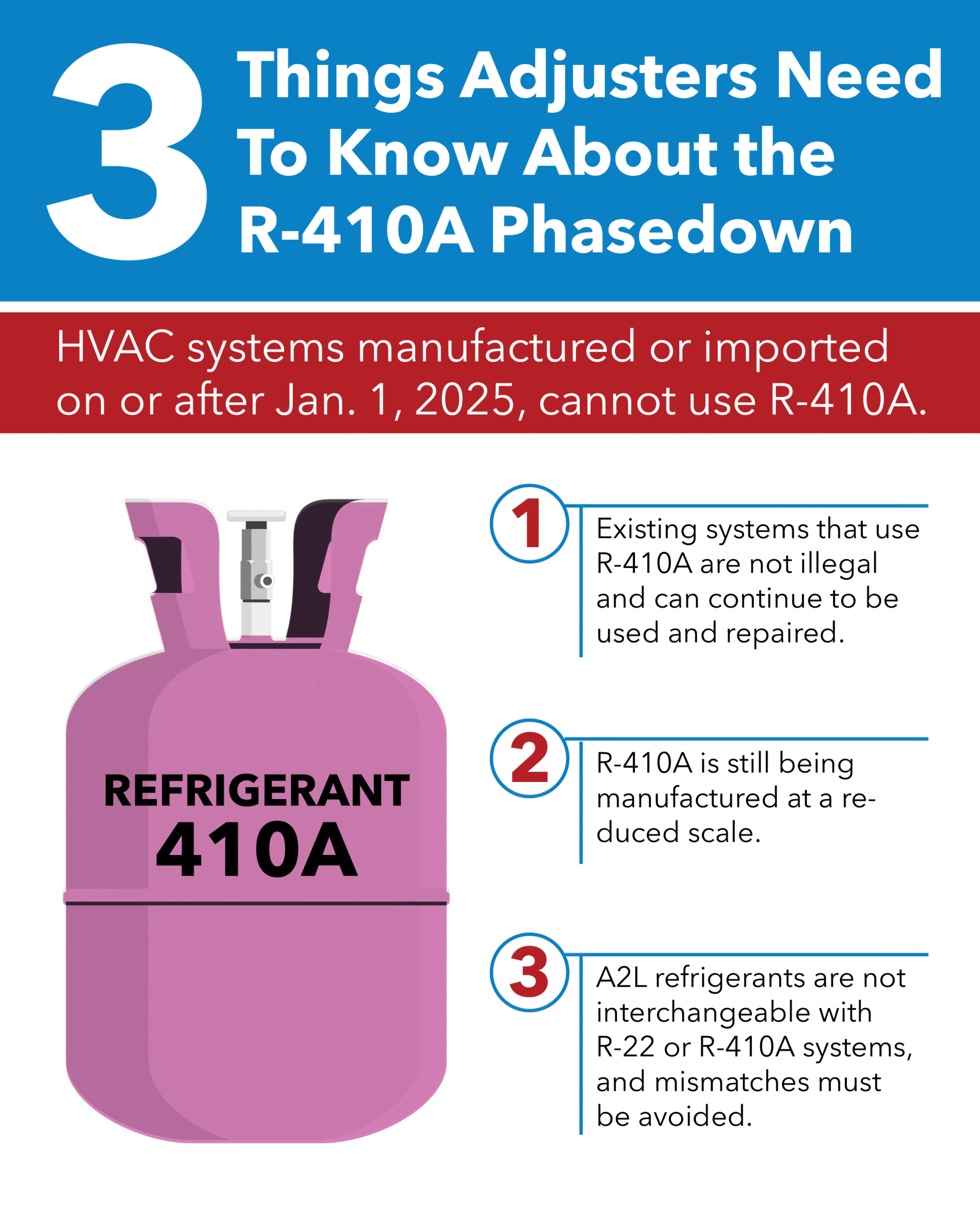
Policyholders, contractors, and adjusters may misunderstand changing regulations or believe untrue or misleading information about them. It’s critical to know exactly what they entail to make accurate settlements.
Jan. 1, 2020, was an important date in the HVAC industry. That’s when the new production of R-22 ceased entirely, and only reclaimed R-22 became available on the market. The news of the deadline came years in advance and so did the start of myths surrounding the phaseout. Just a few years after that, R-22’s replacement, R-410A, began its own phasedown based on global initiatives. Similar misinformation has circulated in conjunction with the R-410A phasedown that is now under way. An adjuster who isn’t up to date on regulations could fall victim to a contractor who doesn’t fully understand the rules or is banking on no one else knowing them and unnecessarily approving a full replacement “in order to comply.”
Energy efficiency regulations, including SEER standards, and other federal and local codes impact how equipment may be manufactured, repaired, or replaced. Adjusters should stay familiar with how their policyholders and their claims could be impacted.
If you aren’t up to date on regulations and what they mean, you may not be settling claims accurately.
6. Using a Knowledgeable, Objective Third Party for an HVAC Assessment
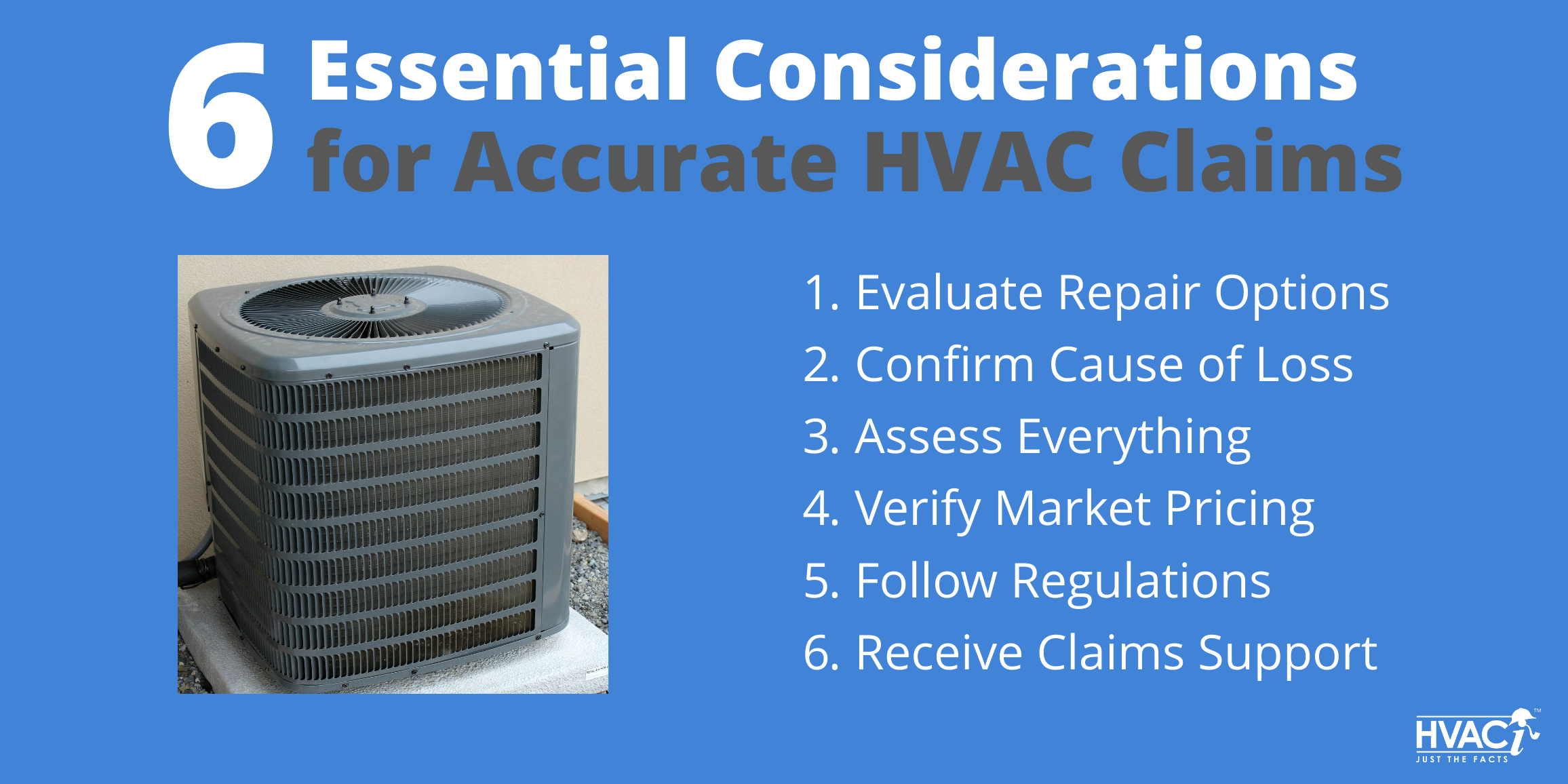
Many adjusters rely on third-party assessment companies to evaluate their policyholders’ HVAC systems. This is a good idea if it’s a company you know will offer objective, comprehensive, and accurate assessments based on just the facts.
HVACi, part of Alpine Intel’s suite of services, is the nation’s leading provider of HVAC and refrigeration onsite assessments and desktop pricing reviews for insurance carriers. Our team of experts is committed to simplifying the claims process by equipping adjusters with actionable assessment reports that include accurate, objective cause of loss and scope of damage determinations, repair and replacement recommendations, and settlement recommendations based on market value. Plus, HVACi’s subject matter experts not only stay up to date on trends and industry news, they also offer continuing education training and educational resources for adjusters.
Don’t run the risk of settling any claims inaccurately because it could lead to a negative customer experience or unnecessary claims leakage. Submit an assignment to HVACi to receive an expert HVAC assessment and actionable insights to inform confident claim resolutions.

Don’t miss insurance-focused resources and webinars about property, perils, and trends impacting claims nationwide by signing up for The Savvy Adjuster Newsletter.

Be sure to also tune in to The Savvy Adjuster Podcast to hear more from the experts themselves.
Alpine Intel’s content is meant to inform and educate readers using general terms and descriptions. They do not replace expert evaluations that determine facts and details related to each unique claim.
Related Resources
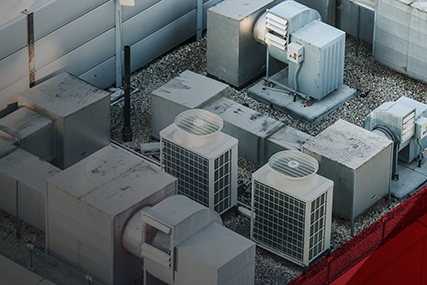
Commercial HVAC Equipment for Adjusters eBook
Commercial HVAC equipment contain complicated components that are susceptible to several perils. This eBook will help you settle commercial claims accurately.
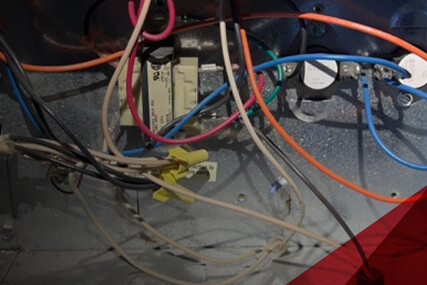
Complex Commercial HVAC Claims Case Study
Commercial HVAC claims may be more complex for adjusters to resolve than residential claims, since they often include multiple different types of systems with varied damages, or even multiple causes of loss.
Unexpected Twists in HVAC Claims
An accurate cause of loss can ensure a fair outcome that prevents claim leakage and reoccurring damages. This guide examines several claims that had surprising causes of loss following an assessment.