Drilling into Dental Equipment Claims: Perils and the Assessment Process

Damaged or malfunctioning dental drills, chairs, and X-ray systems can all keep dentists and their staff from serving their patients the way they would like. But before property adjusters can address dental equipment claims and get practices back to usual operation, they need to know what kind of items they can expect to see, what perils impact them, and what the assessment process should look like.
Frequently Claimed Dental Equipment
Dental equipment is typically high value and complex. Practices rely on diagnostic equipment, such as X-rays and 3D imaging systems, to determine patient care, while sterilization equipment keeps everyone safe from contaminants. Dental chairs, other instruments, and mechanical room equipment keep day-to-day activities running smoothly. Given their critical role, these items must be thoroughly and accurately assessed when included in claims.
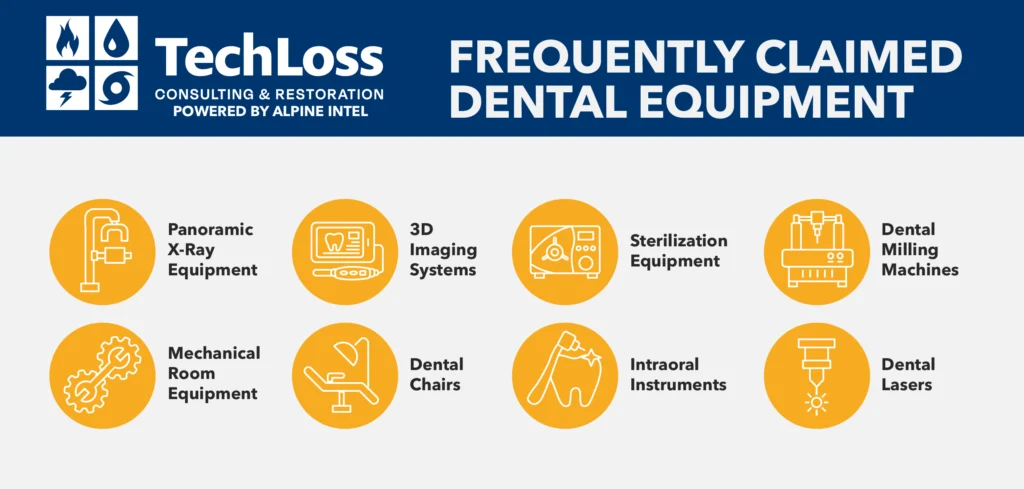
Dental practices depend on a variety of high-value equipment to operate. Adjusters may encounter any of these items in dental equipment claims.
Common Perils and Their Impact on Dental Equipment
Understanding how different perils affect sensitive dental machinery, and what to do about these impacts, is important for accurate claim resolutions.
Water Damage
Water damage from flooding, plumbing leaks, or other intrusions can threaten dental equipment, with impacts sometimes extending beyond what’s visible. Moisture can damage the electrical and mechanical components of these devices, causing short circuits and corrosion that could go undetected without a thorough inspection. Water intrusion can also introduce bacteria, mold, and other contaminants into equipment or the water supply, creating infection risks for patients and potentially escalating repair claims into significant liability issues if not properly addressed.
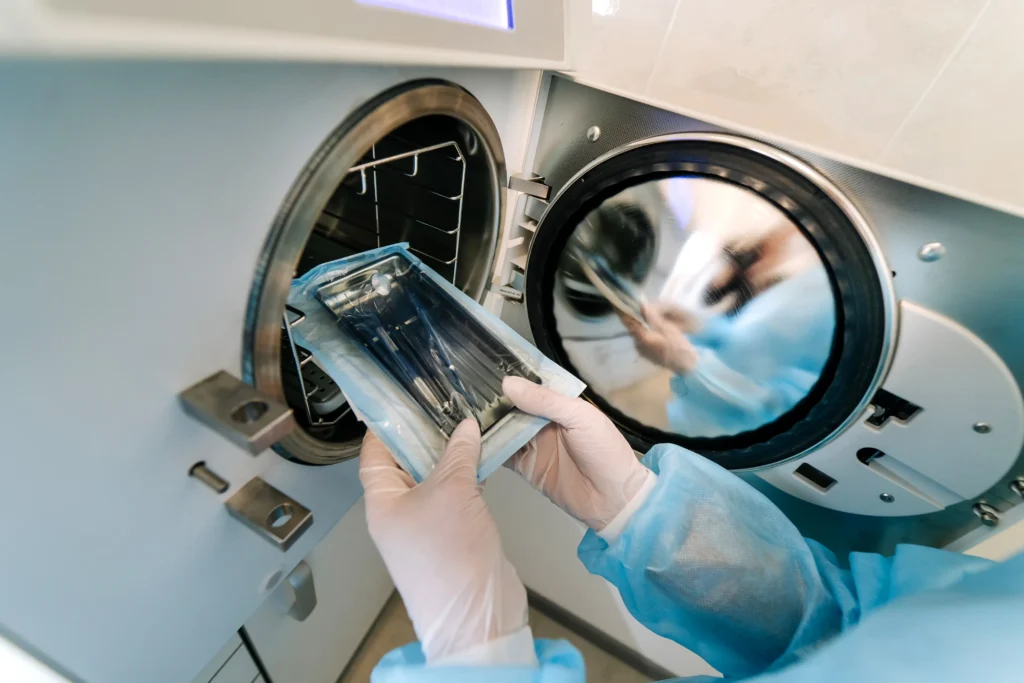
Dental practices take great care to sterilize tools and protect patients. But hidden water damage could introduce bacteria into the equipment itself, putting these patients at risk.
Power Surges
Even with surge protectors in place, power surges can damage sensitive electrical components in dental equipment. Such incidents can result in equipment malfunctions, prolonged downtime, and even potential loss of patient records. Like water damage, assessing the extent of electrical damage—and verifying a power surge is the cause—requires objective technical expertise.
Fire and Smoke Damage
Direct flames are highly destructive and can melt equipment casings and internal mechanisms in dental equipment. But the impacts of soot and charring from more distant fires shouldn’t be overlooked either. Soot and smoke particles are conductive, corrosive, and can cause lasting damage to dental equipment (and lead to more claims) if not remediated.
In some instances, pitting and discoloration on the surface of equipment can indicate corrosion, but in others, scientific wipe sampling may be needed to correctly assess and document contamination levels. Either way, this diagnostic work is best left to consultants with years of experience inspecting dental equipment and advising carriers on next best steps.
Wear and Tear
As with other business-critical equipment claims, it’s important to consider wear and tear as a potential cause of loss. No equipment is built to last forever, and insufficient maintenance can accelerate the process of wear and tear. Policyholders might mistake this gradual degradation for other causes of loss, especially if other nearby equipment was impacted by a sudden event like flooding or fire. Third-party experts should be able to tell the difference, as well as identify any claimed equipment that is functioning as designed.
Restoration, the Assessment Process, and Why They Matter
Qualified, unbiased experts can help you better navigate the dental equipment assessment process and achieve more accurate claim resolutions. To start, these kinds of partners understand that some equipment may need to be cleaned and stabilized before it can be safely and accurately tested.
This process, sometimes referred to as restoration—though it should not be confused with restoring equipment to pre-loss condition—entails several steps. These include inventorying and photographing all claimed items, disassembling and inspecting each piece of equipment, and cleaning it according to U.S. Department of Energy standards. After these steps, consultants may arrange testing by factory-authorized vendors to ensure it meets U.S. Food and Drug Administration regulations.
Subsequently, from an expert assessment, insurance professionals can gain a clear understanding of:
- The actual cause of loss to the dental equipment
- The scope of any damage
- Whether repairs or replacements are recommended
- Like Kind and Quality replacement costs
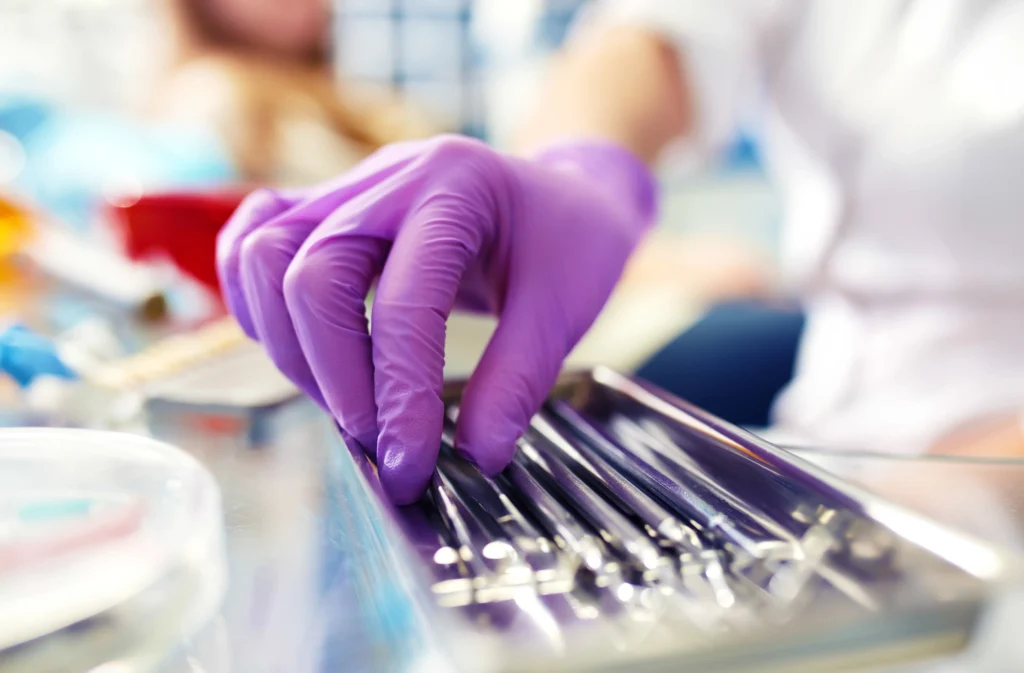
Knowing the cause of loss, extent of damage, and repairability can help insurers make accurate claim decisions and enable dental practices to start serving their patients again.
Resolve Claims Accurately and Minimize Downtime
In addition to providing these critical answers regarding the claimed equipment, the right assessment partner should also be able to reduce downtime and strain on policyholders. This could be by securing loaner dental equipment and coordinating vendors for repair or replacement. In essence, they should be able to tackle the process from start to finish so that all adjusters need to think about is the claim decision.
For that expert partnership across dental and other business-critical equipment claims, turn to TechLoss Consulting & Restoration, part of Alpine Intel’s suite of services. From on-site inspections to restoration and data recovery support, we assess claims varying in size and scope and deliver unbiased reports customers rely on to make confident claim decisions. We can also coordinate repairs and work with vendors to secure temporary equipment. Submit an assignment for expert help with any business-critical equipment or high net-worth residential claim.

Don’t miss insurance-focused resources and webinars about property, perils, and trends impacting claims nationwide by signing up for The Savvy Adjuster Newsletter.

Be sure to also tune in to The Savvy Adjuster Podcast to hear more from the experts themselves.
Alpine Intel’s content is meant to inform and educate readers using general terms and descriptions. They do not replace expert evaluations that determine facts and details related to each unique claim.
Related Resources
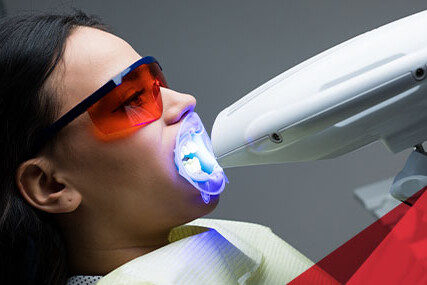
Dental Equipment Assessment and Restoration Guide
Explore perils impacting dental equipment, which items are often claimed, and how onsite assessments and restoration can help you make better claims decisions.

Commercial Electronic Equipment Claims Guide
Which electronically powered item is the most important? To commercial policyholders, all impact how their business runs, from office networking equipment to retail point of sale components.
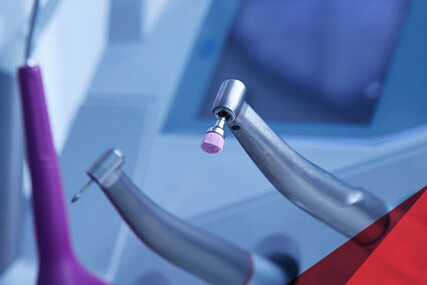
Dental Equipment Claim Case Study
A carrier sought objective verification for a dental equipment claim for more than half a million dollars. Learn how TechLoss Consulting & Restoration delivered the solution.