Commercial HVAC Systems 101 Webinar Recording
Commercial HVAC systems can be complex, and their failure can result in claims for tens or even hundreds of thousands of dollars in damage. Knowing the fundamentals of commercial HVAC systems and which perils are likely to impact them may help adjusters avoid settling for unnecessary repairs and replacements.
Join Alpine Intel Technical Education Manager Jay Dykstra for the Commercial HVAC Systems 101 Webinar. In this presentation, he will highlight key aspects of HVAC systems used in commercial settings, including package units, economizers, and exhaust fans, as well as real-life claim scenarios involving them.
By the end of the presentation, you’ll be more familiar with:
- Types and components of common commercial HVAC systems
- Frequent damages seen in claims
- Federal regulations that apply to these systems
The Commercial HVAC Systems 101 Webinar is presented by HVACi, part of Alpine Intel’s suite of services.
Important: Pre-recorded webinars do not qualify for CE credit.

Don’t miss insurance-focused resources and webinars about property, perils, and trends impacting claims nationwide by signing up for The Savvy Adjuster Newsletter.

Be sure to also tune in to The Savvy Adjuster Podcast to hear more from the experts themselves.
Alpine Intel’s content is meant to inform and educate readers using general terms and descriptions. They do not replace expert evaluations that determine facts and details related to each unique claim.
Related Resources
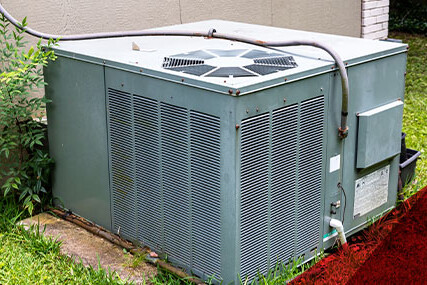
HVAC Commercial Package Unit Case Study
A restaurant’s package unit reportedly failed due to a mechanical breakdown. HVACi’s onsite investigation and detailed reporting revealed the actual cause of loss.
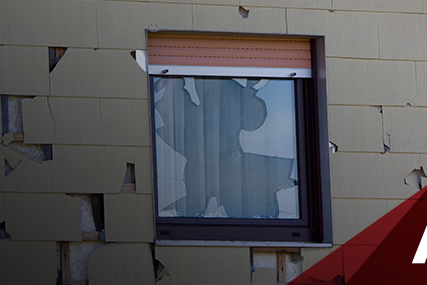
Hail Damage and Collateral Indicators | The Savvy Adjuster Podcast Ep. 7
We discuss why inspecting collateral indicators is important to hail assessments of roofs, structures, and HVAC equipment; the difference between cosmetic impacts and functional hail damage.
The Savvy Adjuster Newsletter
Stay up to date with regulations, better understand complex equipment and structural concerns frequently included in claims, and learn more about topics that impact you and your policyholders.