
Agricultural Fires and the Risks of Farm Equipment

Farm equipment may present fire risks that can have devastating consequences. In 2022, the Animal Welfare Institute reported that over 500,000 animals perished in barn fires, many of which were linked to malfunctioning, misused, or poorly maintained equipment. Agricultural fires can disrupt farmers’ livelihoods and pose significant challenges to insurers. When these fires occur, understanding the unique risks associated with farm equipment is crucial for obtaining an accurate origin and cause. This article provides insights into the considerations surrounding agricultural fires and common farm equipment that may require special expertise to reach a fair settlement.

Agricultural machinery fires can have severe financial impacts on policyholders, and settling these claims accurately relies on focused expertise.
Common Equipment and Fire Hazards
The fire risks on a farm largely depend on its size and function. Equipment such as combines, tractors, grain elevators, and brooders play crucial roles in daily operations, but they also pose significant fire hazards.
Combines and Tractors
Tractors and combine fires together cause about $20 million in property damage and dozens of serious injuries each year, according to the agricultural journal Successful Farming.
Organic debris and dust can accumulate in these machines, particularly when harvesting dusty crops like corn and soybeans. Failure to properly clean the machine increases the chances of this residue contacting hot vehicle components like the manifold or exhaust, which can ignite the crop residue and start a tractor or combine fire. A study by Oregon State University highlighted that 77% of combine fires originate in the engine and engine bay compartment, underscoring the need for regular inspections, cleaning, and maintenance.
Other fire risks posed by combines and tractors include electrical malfunctions, failed bearings, blown fuses, chafed wiring, overloaded batteries, and overheating. While manufacturers are taking steps to reduce certain dangers, others are more prevalent in newer models. For example, emissions standards by the U.S. Environmental Protection Agency require engines to be as efficient as possible. The hotter an engine is, the less fuel it burns. However, the increased engine and exhaust temperatures mean farm vehicle owners and operators must take extra precautions when it comes to keeping these areas clear of debris.
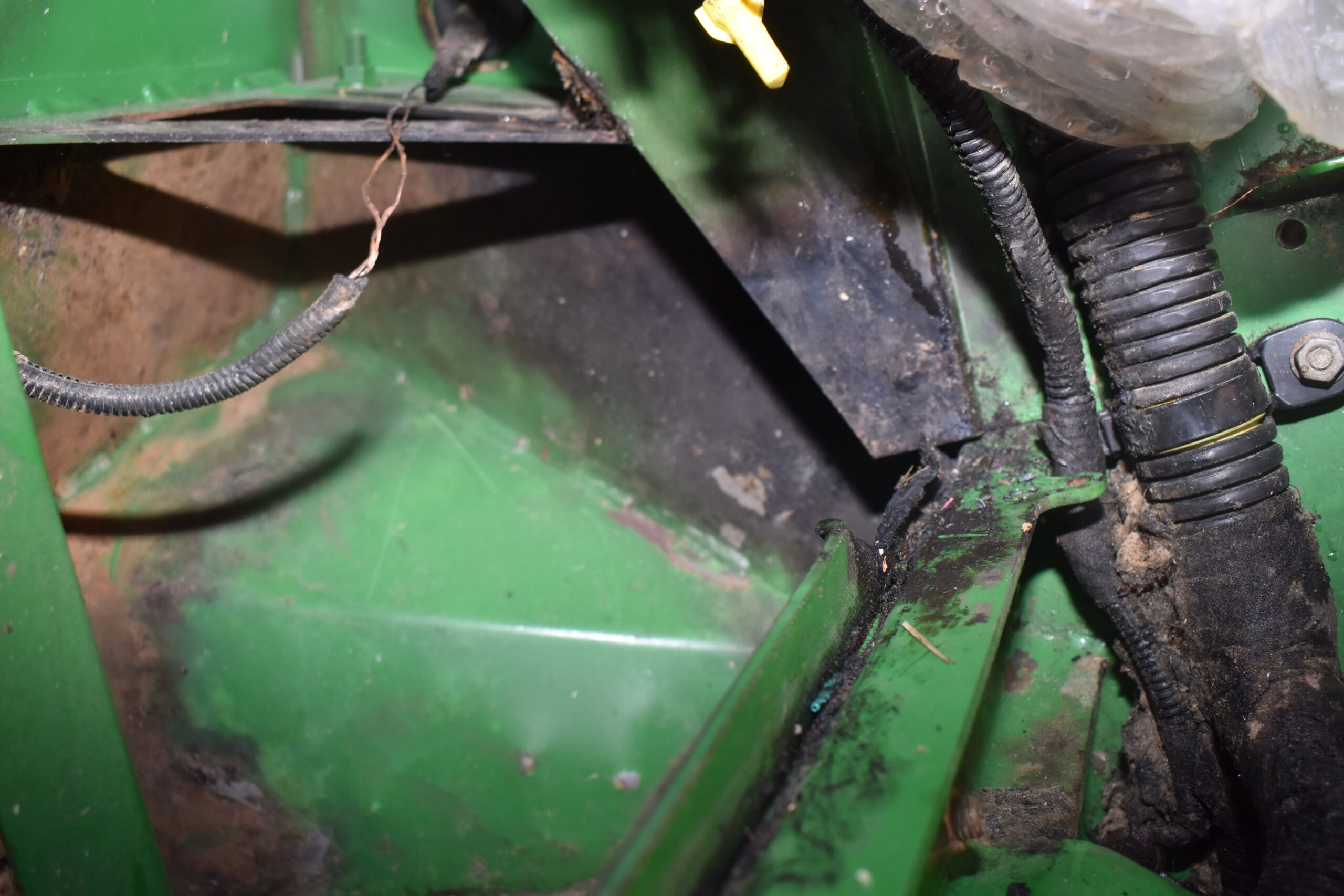
On this combine, a malfunctioning bearing overheated and lost physical integrity, causing metal-to-metal contact and sparking a flame and radiant heat that ignited grease.
Grain Elevators and Dryers
In larger agricultural operations, grain elevators present unique hazards, especially dust explosions. While explosive properties differ among grain types, more volume usually means more opportunity for a grain dust explosion. The combination of grain dust, oxygen, an ignition source, and a confined space is all an explosion needs. Potential ignition sources include motors and industrial equipment like conveyors and fans.
Electrical issues, such as faulty wiring and improper materials, can also lead to grain elevator fires, particularly if the elevator is not well-maintained. Chapter 5 of The National Fire Protection Association’s National Electrical Code (NFPA 70) establishes proper design, installation, testing, and maintenance with a goal of preventing grain elevator fires.
Brooders
Brooders necessary for keeping livestock warm pose the same risk as space heaters. When animals are present, these risks are heightened, requiring careful placement and monitoring to prevent fires. Some designs are simply heat lamps set up beside dry materials like animal bedding and can easily become fire hazards if knocked over.
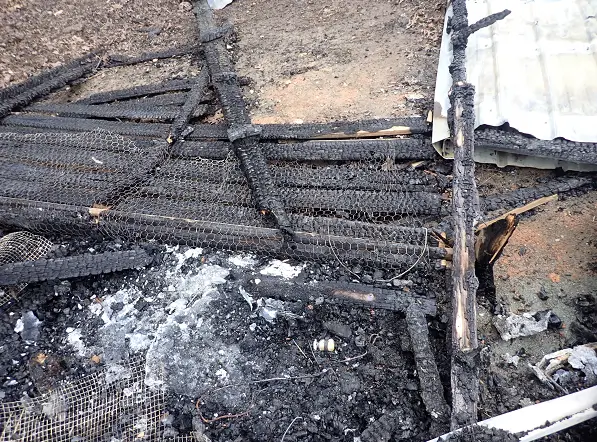
An expert fire investigation determined that at least one of four heat lamps used to keep chickens and goats warm in this barn overnight was the source of the fire.
Specialized Equipment Requires Specialized Experts
Investigating farm equipment fires isn’t as straightforward as it might seem. While all fire investigators should adhere to NFPA guidelines, familiarity with farm equipment is often necessary to accurately diagnose the cause of a fire. Understanding potential product recalls or known manufacturing defects can be invaluable. Access to mechanical/electrical engineers and labs facilities capable of testing equipment components is also beneficial, providing a deeper level of investigation that can be critical in complex claims.
A Potential for Greater Damage
Farms are often situated in rural areas, far from fire departments or immediate assistance. Vehicle fires that occur during operation in the field may be remote from even onsite suppression options. The added presence of materials like dried crops and grass, animal bedding, and flammable chemicals such as fuels and pesticides contribute to a fire’s potential to spread considerably before it can be fully extinguished. Investigating experts must be familiar with not only the equipment involved but also fire spread, various materials, and evidence identification even after major agricultural fires.
Cycle Time Impacts More Than the Claim
Quick resolution of fire claims is essential to restoring functionality and minimizing financial losses for policyholders for whom the farm is their livelihood. Timely assessments rely not just on the insurance adjuster but also on the efficiency of the assessment vendor. Fast cycle times are critical, ensuring that farms can return to pre-loss conditions swiftly. Partnering with experts who understand the intricacies of farm equipment fires can make all the difference.
Submit an assignment to experience how National Fire Experts’ nationwide network of certified fire investigators delivers expert origin and cause insights and actionable reports for agricultural equipment fire claims and beyond.

Don’t miss insurance-focused resources and webinars about property, perils, and trends impacting claims nationwide by signing up for The Savvy Adjuster Newsletter.

Be sure to also tune in to The Savvy Adjuster Podcast to hear more from the experts themselves.
Alpine Intel’s content is meant to inform and educate readers using general terms and descriptions. They do not replace expert evaluations that determine facts and details related to each unique claim.
Related Resources

Agricultural Fire Case Study
National Fire Experts identified the most plausible origin and cause of a farmer's grain dryer fire and suggested next steps. Explore their findings.

Kitchen Equipment Fire Case Study
The policyholder and the insurance adjuster handling the claim weren’t sure how the garage fire started and needed conclusive evidence to know why it occurred and how to prevent another one.

Electrical Fire Case Study
An adjuster needed support settling the claim described in this case study. The policyholder reported multiple residential appliances and specialty equipment had been impacted by a fire.