
Adjusters’ Guide to Drainage, Soil, and Foundation Losses

A healthy foundation is vital for the entire building’s structural integrity, which is why it’s important to know the external factors that can lead to cracking, spalling, mold growth, and more. The one-page Adjusters’ Guide to Drainage, Soil, and Foundation Losses illustrates several key elements licensed forensic engineers consider when determining cause of loss for a foundation claim.
Fill out the form to get your copy of this guide, and learn more about:
- The four main soil types and their characteristics
- Building codes governing ground slope and downspout discharge
- Evidence of improper drainage
- The cause and impact of hydrostatic pressure on a foundation

Don’t miss insurance-focused resources and webinars about property, perils, and trends impacting claims nationwide by signing up for The Savvy Adjuster Newsletter.

Be sure to also tune in to The Savvy Adjuster Podcast to hear more from the experts themselves.
Alpine Intel’s content is meant to inform and educate readers using general terms and descriptions. They do not replace expert evaluations that determine facts and details related to each unique claim.
Related Resources
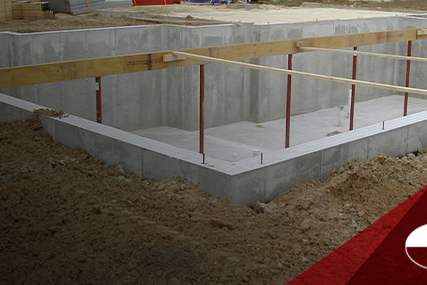
Adjusters’ Introduction to Foundation Loads and Types Guide
Foundation damage is a frequent reason for claims. Here’s what you should know about various types and common causes of loss.
Subrogation Basics for Claims Adjusters Guide
The subrogation process can be challenging for adjusters due to legal complexities and the importance of preserving solid evidence. Gain insights into the fundamentals of subrogation with our guide.
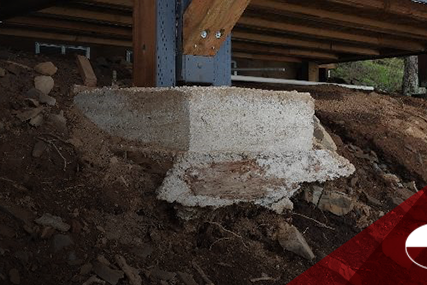
Foundation Damage Case Study
Foundation footings on a steep slope showed signs of damage. Donan’s inspection considered terrain, building material, weather data, and more.