4 Common Generator Perils

Power outages are a common occurrence during hurricane season and after other storms throughout the year, and many homeowners turn to generators while trying to get back to normal. Though generators can be helpful during times of trouble, their failures can lead to insurance claims. Here are the four common generator perils that adjusters should watch out for.
1. High Voltage Surge
A standby generator is connected to the home’s or business’ electrical system through an automatic transfer switch, which signals the generator to start in the event of an outage and shut off when power is restored. Because a generator is connected to the structure’s electrical system, its electrical components are vulnerable to high voltage surge. Fortunately, this equipment may be repairable, restoring the generator to pre-loss condition.
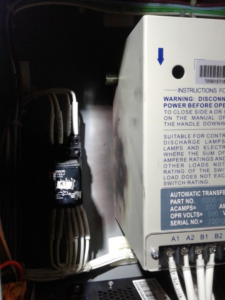
A damaged transfer switch
2. Wear & Tear
Generators require regular maintenance, but they can fail after normal use or age. Their owners should change the oil, coolant, filters, and spark plugs at regular intervals; check batteries for loose connections or corrosion; and examine fluid hoses for leaks. StrikeCheck’s Generator Maintenance Guide provides a maintenance schedule your policyholders can follow.
3. Smoke & Fire
Generators use combustible fuels to produce energy meant to travel through electrical cables to a structure. Heat is a by-product of this process, and the generator itself can grow hot. Components that fail due to wear & tear, such as faulty wiring or bad connections, can cause smoke, or even fire. If flammable materials are stored too close to a generator, they could combust, damaging the generator itself, or its surroundings. Furthermore, since standby generators are often installed outdoors, wildfires or nearby house fires can cause smoke & fire damage. StrikeCheck has some handy generator safety tips your policyholders should know.
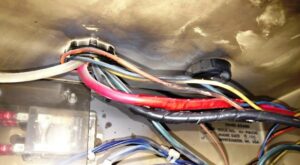
A burned transfer switch
4. Non-Damaged
Yes, you read that right. During our comprehensive inspections, StrikeCheck often finds that generators are functioning as designed.
Generators are great tools if they’re used correctly, closely monitored by their users, and well-maintained. However, they are also susceptible to several perils.
To confirm cause of loss and help prevent claims leakage, submit an assignment to StrikeCheck and receive a quick and accurate assessment.

Don’t miss insurance-focused resources and webinars about property, perils, and trends impacting claims nationwide by signing up for The Savvy Adjuster Newsletter.

Be sure to also tune in to The Savvy Adjuster Podcast to hear more from the experts themselves.
Alpine Intel’s content is meant to inform and educate readers using general terms and descriptions. They do not replace expert evaluations that determine facts and details related to each unique claim.
Related Resources
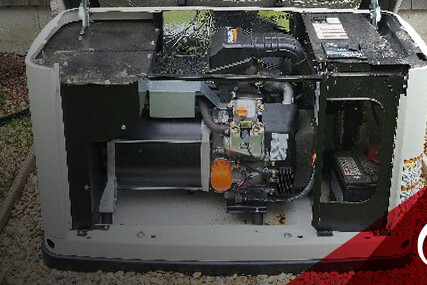
Generator Diagram
Have an easy tool at your disposal to reference while going over estimates, and you’ll even be able to see how these generators connect to the home or business.

Generator Claim Case Study
Two generators had reported lightning damage. Read the Generator Claim Case Study to learn more about the StrikeCheck process to provide answers.
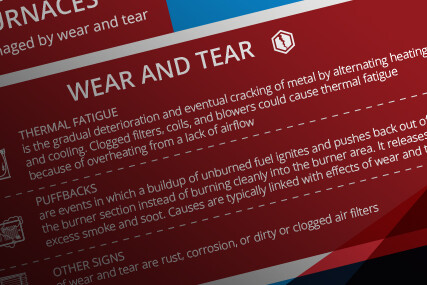
Perils Affecting Residential Furnaces Guide
The guide reviews the top four causes of loss, including water, high voltage surge, smoke and fire, and wear and tear. Know which components would most likely be affected by each of the perils and why the damages may occur.