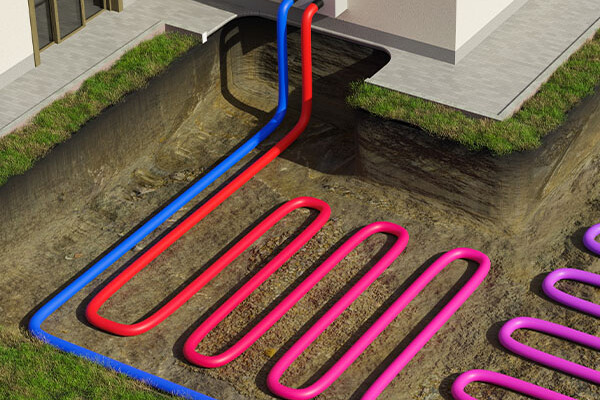
3 Myths Explained: How Freezing Conditions Actually Affect HVAC Systems

Key Takeaways
This article examines and debunks myths about HVAC systems and freeze damage, including that:
- Refrigerant can freeze in cold weather
- Different HVAC equipment types respond to freezing temperatures the same way
- Confirmed freeze damage always requires full system replacement
As fall and winter claims roll in, understanding how freezing conditions can—and can’t—affect HVAC systems will help adjusters make more informed settlement decisions. However, common misconceptions about cold-weather impacts could cloud the narrative around these reported losses.
Separate fact from fiction by reading about three prevalent HVAC freeze damage myths and the truth behind them.
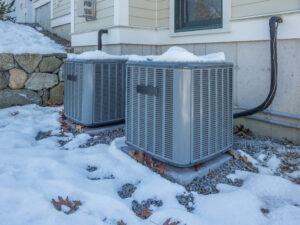
Freezing conditions can affect your policyholders’ HVAC equipment, but not always in the ways you might expect.
Myth #1: HVAC Refrigerant Can Freeze During the Winter
Truth: Outdoor temperatures won’t get low enough to freeze HVAC system refrigerant.
That might leave you wondering, “Can refrigerant freeze at all?” Technically, yes, but only at temperatures far below those your policyholders are likely to experience. However, ice can accumulate on heat pumps during cold weather.
While this ice accumulation may be mistaken for frozen refrigerant, the two are not the same. Outdoor freezing temperatures do not cause refrigerant to freeze, expand, and crack copper tubing. If you receive HVAC claims that cite damage caused by refrigerant freezing, it’s important to have an objective expert inspect the equipment before settling. Refrigerant leaks have several potential causes, including wear and tear, but outdoor temperatures will not cause refrigerant to freeze.
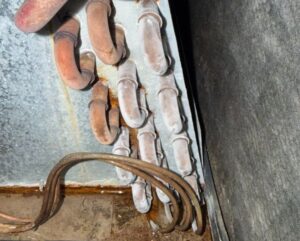
During an on-site assessment, HVACi identified this evaporator coil as the most probable location of a refrigerant leak in a split system. Although the claim reported that the system had frozen, HVACi’s experts determined the cause of loss was wear and tear.
Myth #2: Different HVAC Equipment Types Respond to Freezing Temperatures the Same Way
Truth: How HVAC equipment responds to freezing temperatures depends on the type of system. Extreme cold may increase the strain on some, while others containing water may be susceptible to direct freeze damage.
Heat pumps are more common in temperate climates and are designed to operate within a specified range of outdoor temperatures. The difference between return and supply air temperatures, known as Delta T, is typically about 20 to 30 degrees Fahrenheit. As outdoor temperatures drop, the gap between the outdoor temperature and the desired indoor temperature grows, requiring the heat pump to work longer to maintain that indoor temperature. This extended runtime can increase stress on the system and lead to damage or failure. However, the direct cause of this damage would be accelerated wear and tear rather than freezing conditions.
Other types of HVAC equipment face different risks from freezing temperatures. Evaporative coolers use water evaporation to cool buildings and are most effective in dry, arid climates. Because these systems contain water, their water lines, reservoirs, and other water-containing components can be susceptible to freeze damage if the equipment is not properly winterized.
Indoor equipment containing water, such as hydronic air handlers and radiators connected to boilers, can also sustain freeze damage. Hot water coils can sometimes freeze and burst in these air handlers, particularly when installed in unconditioned spaces, such as above commercial drop ceilings, in attics, or in crawlspaces. Radiators near doors and windows may also be exposed to cold air, increasing the risk of cracking and subsequent water damage.
Watch this short video to learn how freezing conditions can damage radiators and pipes and why expert assessments are essential for accurate HVAC claim decisions.
Because cold weather can affect HVAC systems in different ways, an objective evaluation can help distinguish freezing conditions from wear and tear or other causes of loss.
Myth #3: HVAC Systems With Confirmed Freeze Damage Require Full Replacement
Truth: In many instances, HVAC equipment impacted by freezing conditions can be returned to pre-loss condition through a repair.
This was the case for nearly 45% of the residential HVAC equipment that HVACi assessed with confirmed freeze damage in 2025. Determining whether repair or full replacement is appropriate depends on factors such as:
- Scope of damage: Which components were affected, and to what extent?
- System compatibility: If the outdoor portion of a system requires replacement, does the indoor equipment also need to be replaced to maintain compatibility based on efficiency or the refrigerant used?
Even when full replacement is warranted, contractor quotes should be reviewed to verify that the proposed equipment is of Like Kind and Quality (LKQ) to the policyholder’s original equipment and that pricing aligns with market value rates.
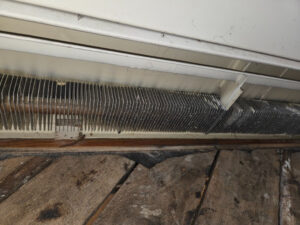
An HVACi on-site assessment confirmed that this hydronic baseboard piping failed due to freezing conditions. However, the boiler was unaffected, and the system could be restored to pre-loss condition without a full replacement.
Get Expert Insights Before Settling HVAC Claims With Reported Freeze Damage
The cold, hard facts behind these myths show that HVAC damage reported during or after a winter freeze may not always be caused by freezing conditions. Wear and tear or other factors could be responsible.
With this in mind, it’s important to opt for an objective, on-site assessment when you encounter these claims. An unbiased expert can verify the cause and scope of damage, provide repair vs. replacement recommendations, and evaluate contractor quotes.
HVACi, part of Alpine Intel’s suite of services, can deliver these insights and help you prevent unnecessary claims leakage for your carrier. Get the answers you need to resolve winter HVAC claims confidently. Submit an assignment to HVACi today.

Don’t miss insurance-focused resources and webinars about property, perils, and trends impacting claims nationwide by signing up for The Savvy Adjuster Newsletter.

Be sure to also tune in to The Savvy Adjuster Podcast to hear more from the experts themselves.
Alpine Intel’s content is meant to inform and educate readers using general terms and descriptions. They do not replace expert evaluations that determine facts and details related to each unique claim.
Related Resources

HVAC Systems Quiz
Take this quiz to test your knowledge about the residential HVAC system equipment included in claims that adjusters ask HVACi experts to assess daily.
Commercial HVAC Systems Cheat Sheet
Adjusters, use this one-page reference sheet to gain a better understanding of commercial HVAC equipment – from system functions to common causes of loss.