
Investigating Fire Suppression Systems After Commercial Fires
Learn how Certified Fire Protection Specialists (CFPS) can examine fire suppression systems to determine their impact on commercial fire losses.

Best Practices for Evidence Management in Subrogation Cases
Discover essential strategies for documenting, preserving, and storing evidence to reduce the risk of spoliation and build stronger subrogation cases.
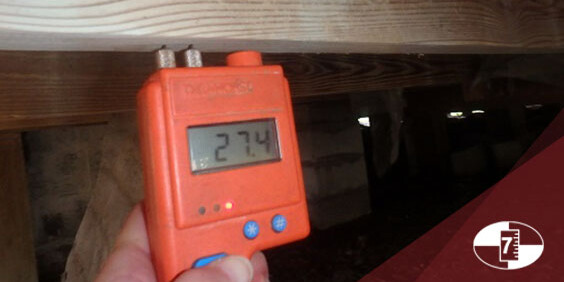
Onsite Engineering Assessments Tools of the Trade
Discover the essential tools and expertise that enhance the accuracy of forensic engineering assessments, supporting informed decisions in structural property claims.
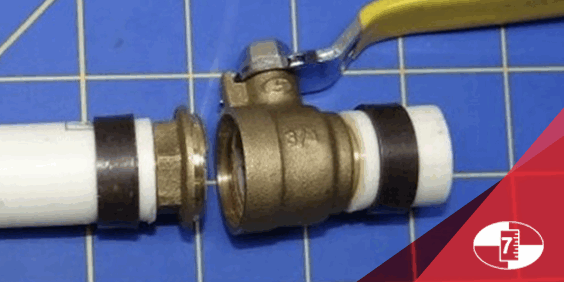
Corrosion Types That Could Signal Subrogation Potential
Learn about corrosion that could point to a manufacturer’s defect and subrogation potential, revealed by experts through component and product failure testing.

Losses to Outdoor Electronics and Electrically Powered Items
Learn how common perils impact outdoor electronics and electrically powered items, including generators, lawnmowers, well pumps, and sprinkler systems.
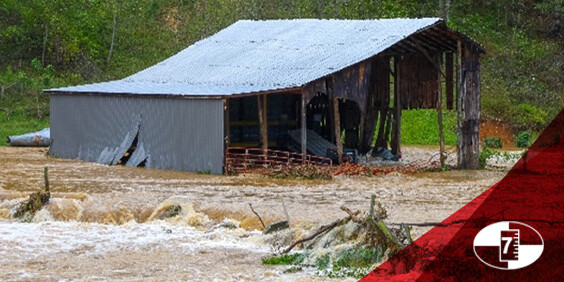
5 Myths About Inland Flooding
Explore debunked inland flooding myths and learn how they can impact water damage claims nationwide.
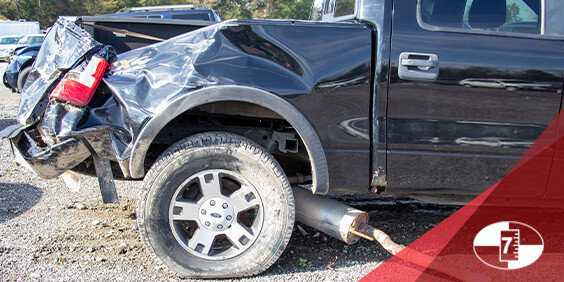
If This Car Could Talk: Vehicle Forensics in Auto Claims
Find out what 3D vehicle scanning, infotainment downloads, and event data retrieval can reveal about crash investigations and other types of vehicle claims.
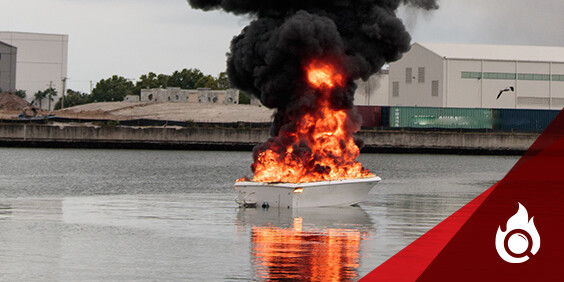
Sparks on the Water: Marine Fire Investigations
Explore the factors that contribute to marine vessel fires and how experts address their unique challenges during origin and cause investigations.

Assessing Claims Involving Commercial Elevator Failures
Learn common causes of commercial elevator failure, how to mitigate risks, and how to maximize efficiencies in the claims process with expert assessments.

Key Differences Between a Fire and Explosion Investigation
Find out how a fire and explosion investigation differ, why qualified experts are essential, and how their findings may impact insurance and legal outcomes.
Alpine Intel’s content is meant to inform and educate readers using general terms and descriptions. They do not replace expert evaluations that determine facts and details related to each unique claim.