
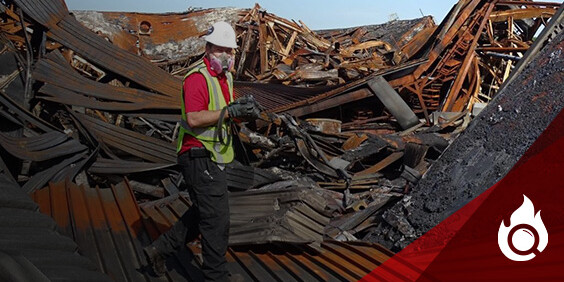
Post-Claim Support From Your Assessment Partner
Partnership with an assessment vendor can continue after you receive a report, with answers to your questions, evidence management, and litigation support.
Fire Litigation Support That Delivers
Learn what your fire expert witnesses and assessment partners should provide if your claim goes to litigation – and why transparency is key from the moment you submit an assignment.
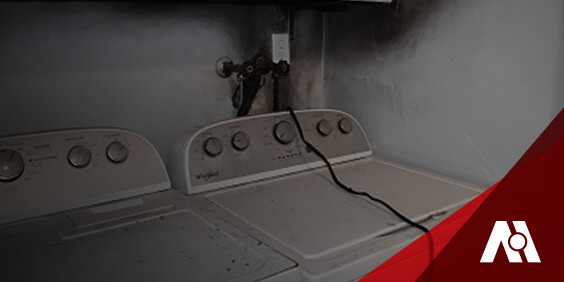
How Small Property Damages May Lead to Big Claims
Learn how minor property loss claims can become larger if problems like water damage, electrical issues, and incorrect HVAC troubleshooting go unaddressed.
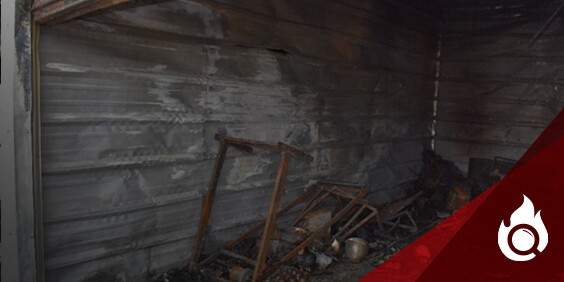
Uncovering Commercial Fire Causes and Trends
Commercial fire claims are often complex and require expert investigation. Discover common fire causes and how an assessment partner can help with these claims.
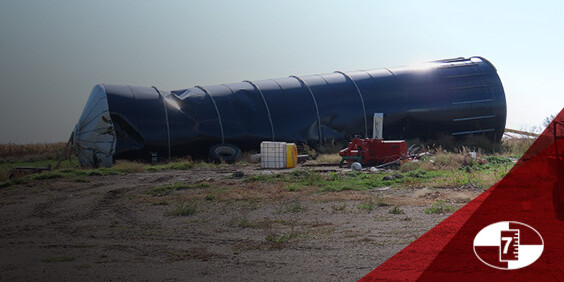
Agricultural Losses and Forensic Engineering
Learn how an assessment by a forensic engineer can aid in reaching an accurate settlement on agricultural structures, vehicles, and systems claims.
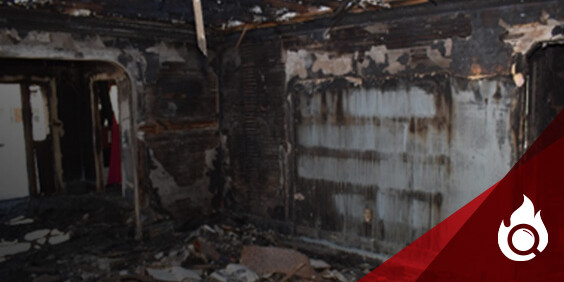
10 Fire Hazards in the Home That Could Cause Claims
Discover 10 potential fire hazards in the home prone to being the origin and cause in fire claims.

Improving the Claims Process and Reducing Cycle Times
Claim cycle times can significantly impact policyholder experience. Learn critical strategies for improving the claims process and increasing efficiency.

3 Ways Adjusters Can Prepare for CAT Claims
CAT claims increased alongside the increase in severe weather events. This article helps ensure adjusters are ready when those claims hit their desk.

5 Electronics Categories Often Claimed With the Wrong Peril
Which electronics categories most often had an incorrect cause of loss before an objective assessment.
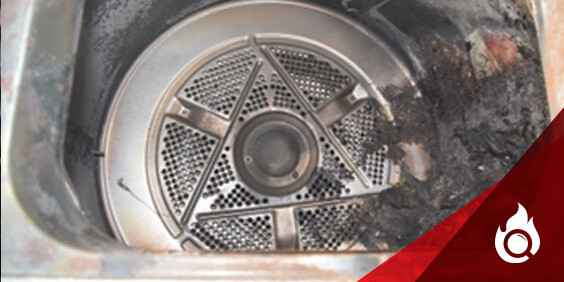
Dryer Fire Causes, Trends, and Safety Measures
Dryer fires affect thousands of policyholders annually. Discover dryer fire causes and preventative measures to be better prepared to handle dryer fire claims.
Alpine Intel’s content is meant to inform and educate readers using general terms and descriptions. They do not replace expert evaluations that determine facts and details related to each unique claim.