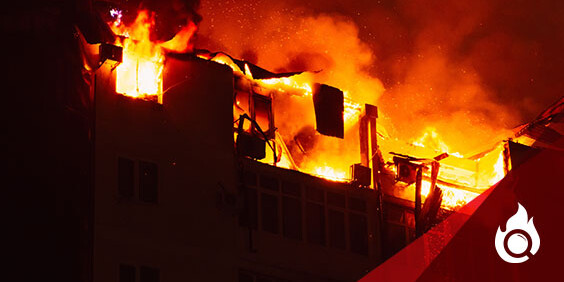
Commercial Losses: Hotel and Motel Fire Causes and Investigations
A motel or hotel fire can result in large commercial losses. Discover common causes, how they spread, and special investigation considerations for these claims.

What Claims Managers Should Look for in an Assessment Partner
Claims managers can set themselves and their teams up for success by choosing an assessment partner with these characteristics to help reach accurate settlement decisions.

How To Succeed: 3 Key Strategies for New Claims Managers
Discover three ways first-time or aspiring claims managers can boost team success, improve claim resolutions, and foster good adjuster-manager relationships.
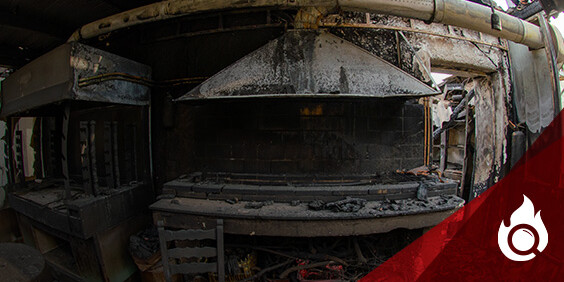
How Proper Maintenance Can Help Prevent a Restaurant Kitchen Fire
Discover key maintenance practices your commercial policyholders should follow to help prevent a restaurant kitchen fire and what investigators consider when evaluating these claims.
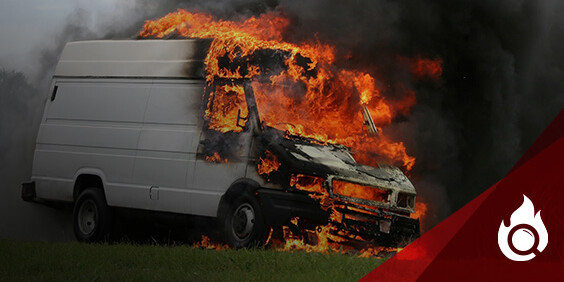
Three Unique Considerations in Commercial Vehicle Fire Claims
Learn about factors considered in a commercial vehicle fire investigation, common causes of these fires, and how experts can help adjusters with claims.
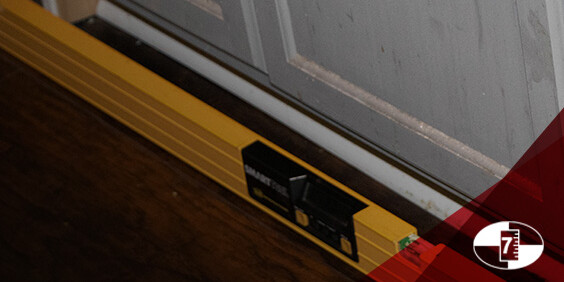
How the IRC’s Requirements for Attic and Crawlspace Ventilation May Affect Property Losses
Because attics and crawlspaces are not considered conditioned spaces and contend with outside environmental elements, it’s important that they are adequately ventilated.

Four Electrical Code Updates Adjusters Should Know
Learn about newer updates to the National Electrical Code, code adoption by state, and how these changes affect your electronics claims.
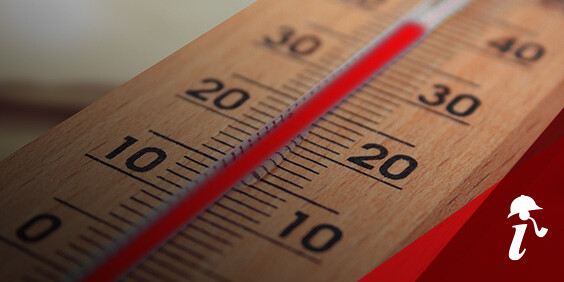
Is the Heat to Blame for Summer Claims?
Discover the relationship between extreme heat and an influx of summer HVAC insurance claims and become better equipped to tackle your caseload.
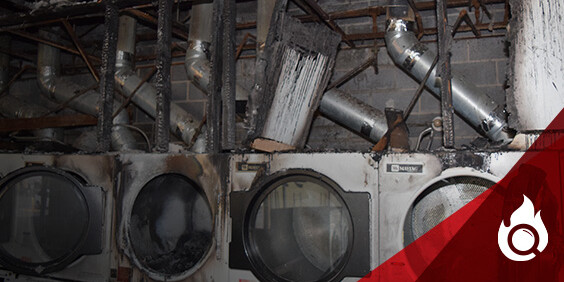
5 Ways Improper Ventilation Can Cause Fires
Proper ventilation is an important part of fire prevention. Consider if improper ventilation from these causes could have impacted your fire claim.
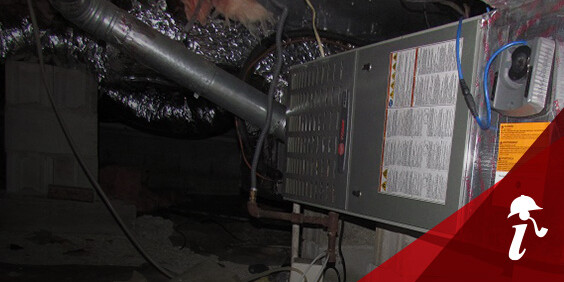
Common HVAC Damages in Attics and Crawlspaces
HVAC systems in policyholders’ attics and crawlspaces are susceptible to various perils. Learn how damage occurs and how adjusters can ensure it’s accurately identified in claims.
Alpine Intel’s content is meant to inform and educate readers using general terms and descriptions. They do not replace expert evaluations that determine facts and details related to each unique claim.