
Are Tornadoes Occurring More Frequently in the U.S.?

Most people associate tornadoes with a certain season and particular geographic regions. However, a study by National Severe Storms Laboratory researchers Dr. Vittorio A. Gensini and Dr. Harold E. Brooks in npj Climate and Atmospheric Science has generated a lot of buzz since its publication. The study, “Spatial Trends in United States Tornado Frequency,” draws on historic National Weather Service data to study the number of tornadoes that occur in different regions of the United States.
Since its publication, Gensini and Brooks’ study has prompted media outlets, including the New York Times, Axios, Yale Climate Connections, and Science Daily, to ask if tornadoes are hitting the United States in unusual areas more often. We’re here to address some of your tough questions about the number of tornadoes in the U.S. every year.
Where and When Do Tornadoes Typically Occur?
Tornadoes most commonly occur in the Central Plains of North America, often called Tornado Alley, where cold dry air from the north meets warm air from the southwest and moist air from the Gulf Coast. They tend to happen during the spring and summer months with tornado season coming a little earlier in the South due to its slightly warmer climate. Tornadoes also usually form during the late afternoon and early evening. However, it’s possible for them to hit every state, on any day, and at any hour if the conditions are right – that is, where warm, moist air near the ground meets cooler dry air above it, accompanied by a wind shear.
The resulting storm includes strong winds that can rip siding or shingles off a house, down trees and power lines, and much worse.

This map shows the average number of tornadoes in the U.S. by state during the period between 1981 and 2010, according to the National Weather Service.
Are Tornadoes Occurring More Frequently?
That’s difficult to answer. Official tornado records only date back to 1950 when the United States Weather Bureau (later known as the National Weather Service) began its documentation. This was the first year that radar was used to track storms and a system for public tornado warnings was implemented. With less than 80 years of data to analyze, the National Oceanic and Atmospheric Administration (NOAA) doesn’t have enough information to say for sure how many tornadoes are typical in a year and in specific places.
There have also been many developments and improvements in tornado spotting and reporting methods since 1950. Gensini and Brooks indicate an increasing trend in the frequency of tornadoes east of the Central Plains region, particularly in Alabama, Arkansas, Illinois, Indiana, Kentucky, Mississippi, Missouri, and Tennessee. A study by Tippett, Lepore, and Cohen suggests that we’re not only seeing an eastward shift, but we’re also seeing more tornado outbreaks and more tornadoes in those outbreaks. However, it’s possible that the National Weather Service’s methods have simply been refined to the point of better accuracy.
The current estimate is that about 1,200 tornadoes hit the U.S. each year. While it’s too early to say if tornadoes are happening more frequently outside of Tornado Alley than previously thought, we know for sure that the 10 costliest U.S. catastrophes involving tornadoes have all occurred in the 21st century, and many of them have occurred outside of the Central Plains region. Isolated events may cause as much as $100 million in insurance losses, and the 1,429 confirmed tornadoes in the U.S. in 2017 were responsible for $18 billion in insured losses. It’s vital that everyone involved in the property/casualty insurance industry pay close attention to this trend.
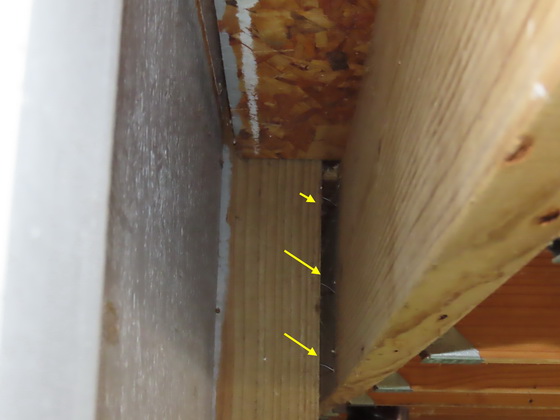
Even from half a mile away, tornadoes can cause insured losses that may be costly. A Donan engineer confirmed that this property had been damaged by high winds associated with an EF-1 tornado that passed nearby.
How Can I Prepare for Tornado Claims?
- Remember that tornadoes can happen anywhere at any time in the United States, and adjusters need to be ready when they hit. That means you need to monitor weather forecasts and stay alert for the conditions that are most likely to form a tornado. It would also be wise to keep an eye open for studies as more information becomes available on this topic.
- Know that some things thought to be damaged won’t be, or they may have been damaged by a different peril. After a severe storm, policyholders often look for damage and attribute any losses they find to the weather event. However, some failures may have existed long before the storm and had simply gone unnoticed.
- Keep in mind that it’s also possible that small, unseen failures caused by a tornado may have repercussions further down the line if they aren’t addressed in a timely manner. Any loss could be a sign of more to come.
- You should have a catastrophe (CAT) response partner in mind. Make sure you have your partner’s contact information saved and at the ready. Know their assignment submission process ahead of time, so you know exactly what to do when commercial and residential tornado damage claims start hitting your desk.
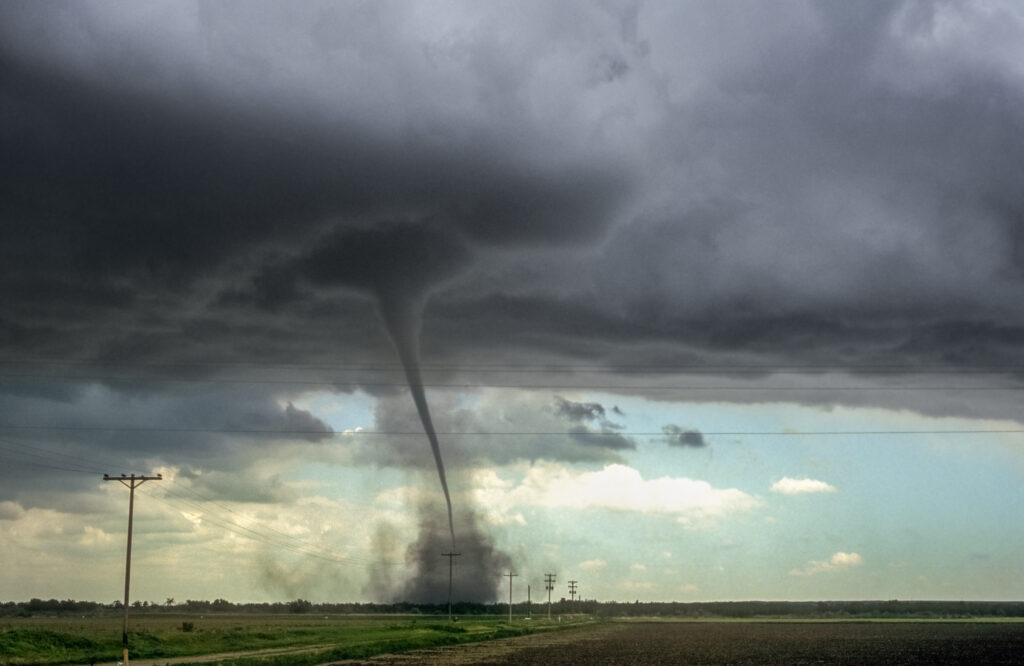
You don’t have to wait for a tornado watch or warning to prepare for storm-related claims; you can listen for conditions favorable to tornado formation in weather forecasts.
Donan’s Forensic Engineering Team is at the ready, along with all of Alpine Intel’s suite of services, to evaluate how properties nationwide have been impacted by tornadoes and other catastrophes. At the first sign of a natural disaster, our nationwide network of property assessment experts diverts attention to the regions that need it most, providing fast cycle times and the scientific insights you need to settle claims quickly and confidently.
Submit an assignment today to see how our decades of experience, streamlined processes, and actionable intelligence can assist you in the future.

Don’t miss insurance-focused resources and webinars about property, perils, and trends impacting claims nationwide by signing up for The Savvy Adjuster Newsletter.

Be sure to also tune in to The Savvy Adjuster Podcast to hear more from the experts themselves.
Alpine Intel’s content is meant to inform and educate readers using general terms and descriptions. They do not replace expert evaluations that determine facts and details related to each unique claim.
Related Resources

Tornado Damage to Residential Structures
Tornadoes occur throughout the United States, so it’s important to know why they form and how tornado-related property damage is assessed.

Tornado Claim Case Study
The adjuster handling the claim turned to Donan to confirm if a tornado was responsible for the reported sloping floors, punctured roof sheathing, and missing roof and wall areas.
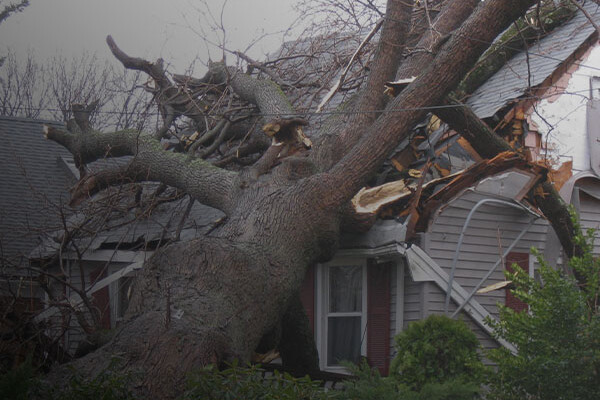
Tornado Damage to Residential Structures Webinar
Learn how a tornado’s strength can help you anticipate structural damages, and hear examples of results for tornado-related expert assessments in this webinar.