Know How Smoke and Fire Impact HVAC Systems Guide
Even taken literally, “Where there’s smoke, there’s fire” doesn’t always apply when talking about HVAC systems. If flames are across the room, smoke still has a way of traveling into places your policyholder may not notice. One of the prime locations is ductwork in commercial and residential HVAC systems, which could lead to additional concerns. And, though rarer, HVAC equipment could also ignite a fire.
Our guide covers both scenarios to ensure you have what you need to settle claims related to smoke and fire and HVAC systems. We outline six ways this peril could affect equipment, from the ductwork to the motors, and give a short overview of eight components that are most likely to start a fire and why.
Fill out the form to receive your guide for smoke and fire damage to HVAC systems to refer to when settling these kinds of claims.

Don’t miss insurance-focused resources and webinars about property, perils, and trends impacting claims nationwide by signing up for The Savvy Adjuster Newsletter.

Be sure to also tune in to The Savvy Adjuster Podcast to hear more from the experts themselves.
Alpine Intel’s content is meant to inform and educate readers using general terms and descriptions. They do not replace expert evaluations that determine facts and details related to each unique claim.
Related Resources

Wind Damage to HVAC Condensing Units Guide
Knowing what wind damage looks like, possible repair methods, and other common causes of loss may help prevent claims leakage.
Smoke and Fire Claim Case Study
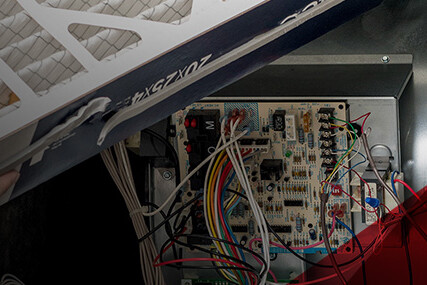
The HVAC system described in this claim assigned to HVACi was near an area that experienced a garage fire. The adjuster sought HVACi’s expert help to determine if the furnace and ductwork were affected and needed replacement.

Residential HVAC System Cheat Sheet
This one resource will provide you with system details, claims information, and benefits and drawbacks for each to refer to when handling HVAC claims.