
Tree Removal Tools Every Property Adjuster Should Know About

Key Takeaways
Through this article, insurance professionals can learn:
- Which tree removal tools may be necessary based on a fallen tree’s condition and the accessibility of the loss location, among other factors
- How the tools qualified professional tree care crews use help mitigate additional damage during the removal process
- What combinations of tree removal tools may contribute to a safe and efficient extraction to help adjusters continue with their claims
Certified experts who perform tree and tree debris removals need to use the most appropriate tree removal tools and personal protective gear based on the severity of the preceding event, type of removal, and size of the tree, among other factors that make each incident unique.
This allows them to maintain the integrity of the loss location and any damaged structures, as well as the safety of crew members and policyholders. Explore common tree removal tools and learn when they’re likely to be used and why they may be listed in invoices.
What Do Authorized Tree Care Crews Do Before Deciding Which Tools To Use?
Authorized tree care crews first evaluate the loss location to determine the extent of damage, the landscape they may have to navigate to reach a fallen tree, and overall access to the property. Crews might have to collaborate with utility companies if power lines were impacted or with nearby homeowners if a fallen tree spans multiple properties.
Complex removal processes may be more likely to need specialized equipment or additional crew members due to access, the tree’s position, and loading or structural damage. Spring-loaded trees and fallen elements that require bracing also could contribute to a more nuanced removal.
In a standard removal, trees and tree debris can be safely reached and removed using customary equipment, such as a bucket truck, aerial lift, or skid steer, or by qualified climbers.

When a tree falls and reportedly causes property damage, qualified professional tree care crews will evaluate the loss location and the tree’s condition to determine what type of equipment may be needed to access and safely extract the tree from the site.
Common Tree Removal Tools and Attachments
Every tree-related claim is unique, but the tree removal tools listed below are common across the tree care industry and used by qualified professional tree care companies like those in HMI’s authorized member network.
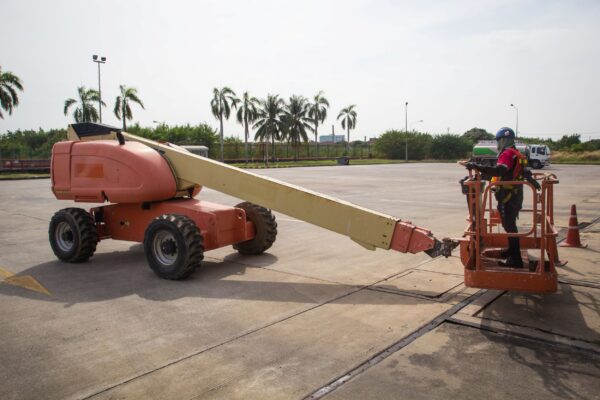
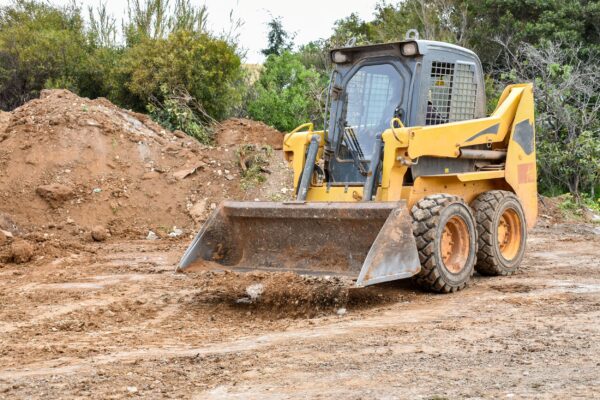

Heavy Machinery
- Bucket/boom trucks and aerial lifts are most often used to elevate personnel so they can safely access hard-to-reach areas of a fallen tree or an impacted structure, such as roofs or higher floors of a home or commercial building. These are useful when trees or tree debris require sectional dismantling or can’t be safely accessed with a ladder.
- Grapple trucks, which often appear on emergency tree removal invoices, can load and transport debris efficiently and may reduce manual handling.
- Small loaders and skid steers can expedite the tree removal process and reduce labor hours. In addition to helping crews navigate complex terrain or landscaping, they also allow for various attachments that can be changed based on the loss’s unique needs.
- Knuckle boom trucks with a grapple saw attachment are becoming more commonplace as well. This combination can reduce the need for aerial lifts or other elevation-focused equipment, improve efficiency, and make the removal process safer because the operator remains on the ground.
- Cranes are primarily used to elevate trees off of structures. However, dual crane coordination, which is highly specialized and uncommon, might be necessary if the tree or tree debris is hard to access, among other extenuating circumstances.
Hand-Held or Ground-Level Equipment
Some situations may call for hand-held tree removal tools alongside, or instead of, heavy machinery. The most common are chainsaws, handsaws, and pole saws. They’re often used to remove sections of a fallen tree, break down tree debris even further, or trim tree limbs or branches without using a ladder.
Crews may use wood chippers to cut tree limbs and other tree-related debris into wood chips for easier removal and disposal.

A chainsaw is one of several hand-held tree removal tools that authorized crews might use to help remove limbs and tree-related debris from a loss location.
Why Safety Gear Is Considered a Tree Removal Tool
Personal protective equipment and safety gear, such as gloves, goggles, and headwear, are used to support a safe environment for the crew and anyone on-site.
Other tree removal tools that crew members use to maintain safety protocol best practices include ropes, rigging belts, and carabiners. These tend to be used in conjunction with heavy machinery to help ensure the crew’s well-being while they navigate complicated terrain or complex removal procedures.
The property itself may also need to be safeguarded during an extraction. Crews might lay down protective mats on landscaping or install tarping on exposed areas of a structure to help prevent additional damage while removing trees and tree debris from the loss location.
Every tree-related incident is unique and involves myriad factors. However, specialized equipment isn’t necessary for every extraction, and its use can influence the final cost of removal. Whether hiring a tree care vendor or reviewing an invoice after the fact, it’s important to understand why a tool was needed for the assignment.
Insurance professionals who turn to HMI for their tree and tree debris removal needs for residential or commercial property damage can have confidence that its authorized members will help protect tree care crews, policyholders, and surrounding properties by using the right tools for the specific loss and location.
HMI, part of the Alpine Intel suite of services, specializes in emergency tree removal, outdoor property consulting, and risk mitigation solutions for the insurance and risk management industry. The qualified professional tree care crews in HMI’s network, which has been active since 2008 and has extensive pricing history from member work and third-party invoice reviews, can expertly inspect outdoor property features, identify concerns, or review invoices from other contractors to provide comprehensive recommendations. Submit an assignment today.

Don’t miss insurance-focused resources and webinars about property, perils, and trends impacting claims nationwide by signing up for The Savvy Adjuster Newsletter.

Be sure to also tune in to The Savvy Adjuster Podcast to hear more from the experts themselves.
Alpine Intel’s content is meant to inform and educate readers using general terms and descriptions. They do not replace expert evaluations that determine facts and details related to each unique claim.
Related Resources
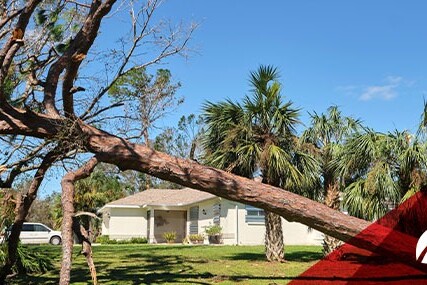
HMI’s Tree Removal Cost Guide
This Tree Removal Cost Guide for 2026 explains the estimated cost of tree removal services for companies in the HMI network.

Tree Removal Invoice Review Case Study
Learn what HMI considered during a tree removal invoice audit to help an adjuster determine if the costs aligned with market rates for the work completed.
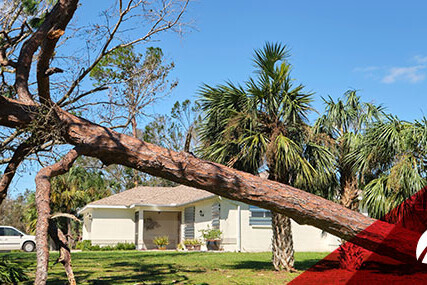
Tornado-Related Emergency Tree Removal Case Study
Learn how HMI’s emergency tree removal process after a spring tornado allowed an adjuster to move forward with the claim process without delays.