
The Savvy Adjuster Insights: 5 Emergency Tree Removal FAQs

Tree-related claims are often more complicated than they first appear. During two episodes of The Savvy Adjuster Podcast, three experts from HMI, a leading provider of outdoor property claim support, discussed price gouging, emergency tree removal, and catastrophic (CAT) events to help insurance professionals understand issues that come up during the claims process.
Get a sneak peek of how they addressed five frequently asked questions regarding tree care companies and tree removal, then listen to the full conversations on The Savvy Adjuster Podcast.
1. What Is the Biggest Unknown When Preparing for Emergency Tree Removal After a CAT Event?
Because time can be the biggest unknown when preparing for emergency tree removal after a CAT event, HMI tries to manage expectations and needs on the front end. But plans may only go so far.
“The biggest variable really is time from our standpoint,” HMI Senior Vice President Doug Cowles said on the “Storm Damage Tree Removal: Emergency Response and Costs” episode.
With hurricanes, for example, it could take several days for its size and path to become clear. Or, in the case of Hurricane Isaias in 2020, Cowles said crews prepared for a Southeast event that turned into a Mid-Atlantic and Northeast event.
“You can spend a week wringing your hands over a blob that’s out in the middle of the Atlantic Ocean, but then all of the action about where it’s going to hit and how big it’s going to be happens within 24 hours of landfall,” Cowles said.
Once the storm reaches land, HMI’s authorized members can be deployed to assist local resources and increase efficiency, sometimes partnering with fellow tree care companies and using specialty equipment.
Other variables include the size of the tree canopy and the timing and severity of a CAT event, all of which can influence a tree’s susceptibility to damage.
“But until it makes landfall and you start getting reports of what’s really happening on the ground, that’s really when we move into action,” Cowles said.
2. How Do Ethical Tree Care Companies Prioritize Removal Assignments?
Ethical and reputable tree care companies determine the order of emergency tree removal assignments based on need and extent of damage, according to HMI Vice President of Operations Doug Malawsky.
“In high-volume events, the name of the game always becomes triage and prioritization,” Malawsky said on the “Emergency Tree Removal Claims: Fair Pricing and Best Practices” episode.
When a tree falls on a home, the policyholders’ safety and the severity of the impact come into play.
“The second that a tree is on the home, you are now dealing with a situation where a policyholder’s [property]—probably the most valuable asset that they own—is now in jeopardy,” he said. “They may not be able to live there with their family until the tree is removed. It may be too dangerous to actually be in the house while that tree is on their home.”
If a hurricane or another CAT event spans multiple states, HMI receives information from the field and uses that to determine which property owners are contacted first.
“In large events, triage becomes even that much more important because you have limited resources,” Malawsky said.
3. Why Could Tree Removal Costs Increase During High-Volume Events?
Tree removal costs and even landfill fees may be impacted during high-volume events due to factors that influence prices, such as volume of work, overtime, deployed crews, and labor costs.
While increases may occur, pricing should be based on the specific circumstances of the assignment and applicable market factors.
“The cost to do tree work isn’t something that people naturally understand,” Cowles said. “And so, I think that gives some companies an opportunity to use that to their advantage.”
While inflated costs are difficult to protect against, he also said that educating clients is the “first and most important” way to prevent them from occurring. That includes working with companies that are legitimately owned and operated and are members of organizations like the Tree Care Industry Association and the International Society of Arboriculture.
“If they’re members, in either or both of those organizations, that’s going to indicate a certain level of professionalism,” Cowles said.
4. How Should Ethical Tree Care Professionals Approach Policyholders After a Loss?
We know those who have experienced a tree or tree debris impacting their property have likely had a bad day, so it’s important for the tree removal company’s crew to establish a rapport and build trust.
That’s what responding workers in HMI’s authorized member network did in the aftermath of a tornado outbreak discussed on The Savvy Adjuster Podcast. Multiple trees had fallen on a log cabin, and the homeowner had already reportedly received three “egregious” bids.
“When our members walked up to the house, the homeowner walked out with an AK-47,” Malawsky shared, when asked about an unusual story from the field.
HMI’s authorized member calmly explained that the homeowner’s insurance carrier sent them to evaluate the damage and submit a bid. To help establish a cordial relationship, the authorized member suggested the homeowner speak with the carrier while the crew waited off-site for a decision. HMI’s bid was half the rate of the lowest bid the homeowner had received previously.
“He put away his gun and welcomed them in,” Malawsky said. “First and foremost, they broke bread. He invited them for dinner. So, we went from a tense situation to chicken and biscuits.”
The moral of the story is that professionalism, de-escalation, communication, patience, and trust-building supersede fear. These qualities demonstrate to homeowners that the tree care companies sent by HMI are there to help.
5. Why Is Working With a Credentialed and Ethical Tree Care Company So Important?
Working with a qualified, reputable, and ethical tree care company is important for insurance professionals because mishandled tree or tree debris extraction can dramatically increase costs, impacting carriers, policyholders, and overall industry trust.
“Removing a tree improperly can turn a $20,000 claim into a $100,000 claim,” Malawsky said.
Even a standard tree removal can be dangerous and cause additional damage to a structure or property if not handled correctly. HMI’s authorized members, for example, send an estimator on-site to assess damage and determine what’s necessary to safely remove trees or tree debris from the home. That can include ground and structural protection, specialized rigging, cranes or aerial equipment, and appropriately sized crews, all of which help prevent further damage during the removal process.
For more expert insights on tree removal and other services under the Alpine Intel suite of services, subscribe to The Savvy Adjuster Podcast.
HMI, part of the Alpine Intel suite of services, specializes in emergency tree removal, outdoor property consulting, and risk mitigation solutions for the insurance and risk management industry. Whether responding to major CAT events or smaller regional disasters, the certified tree care professionals in HMI’s network can document damage and site conditions, evaluate tree and outdoor property losses, and develop bids that reflect a fair and reasonable scope of work and associated pricing. Submit an assignment today.

Don’t miss insurance-focused resources and webinars about property, perils, and trends impacting claims nationwide by signing up for The Savvy Adjuster Newsletter.

Be sure to also tune in to The Savvy Adjuster Podcast to hear more from the experts themselves.
Alpine Intel’s content is meant to inform and educate readers using general terms and descriptions. They do not replace expert evaluations that determine facts and details related to each unique claim.
Related Resources
Tornado-Related Emergency Tree Removal Case Study
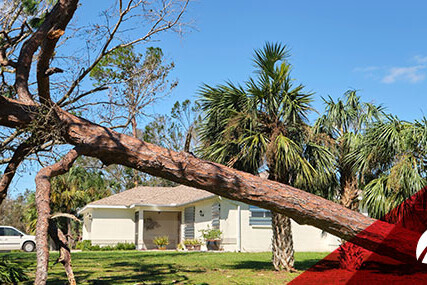
Learn how HMI’s emergency tree removal process after a spring tornado allowed an adjuster to move forward with the claim process without delays.
HMI’s Tree Removal Cost Guide
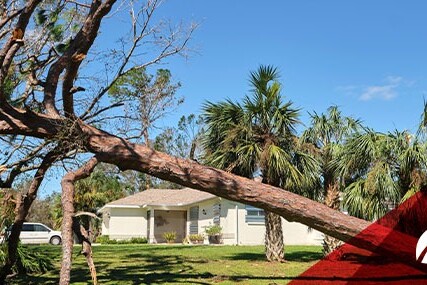
This Tree Removal Cost Guide for 2026 explains the estimated cost of tree removal services for companies in the HMI network.

Emergency Tree Removal Claims: Fair Pricing & Best Practices | The Savvy Adjuster Podcast Ep. 43
Prepare for emergency tree removal claims with expert guidance on fair tree removal pricing, how to identify inflated costs, and other best practices.