
The Ins and Outs of Medical Canvassing During Claim Investigations

Sometimes an insurance claim requires a specific approach to verify the facts, particularly when it comes to an injury or related medical documentation. Skilled canvassers who have a deep understanding of health care privacy laws and industry best practices can help adjusters with this legwork through medical canvassing.
What Is Medical Canvassing and Does It Follow HIPAA?
Medical canvassing is primarily a desktop investigation. Investigative partners or skilled canvassers speak to medical providers who will confirm non-protected details of treatment within the confines of the Health Insurance Portability and Accountability Act of 1996 (HIPAA).
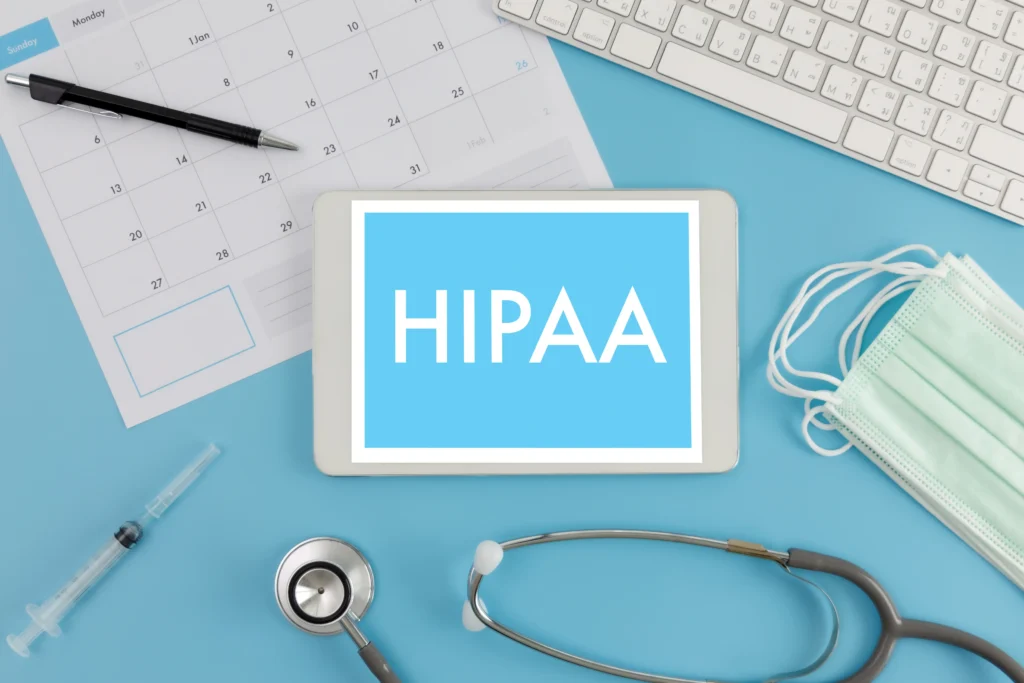
Medical canvassing can help verify health-related facts of a claim. All information obtained this way is done in compliance with the Health Insurance Portability and Accountability Act of 1996.
All aspects of medical canvassing must comply with HIPAA, which established standards to protect sensitive health data from disclosure without the patient’s knowledge or consent. That means medical providers, pharmacies, and other related entities are contacted to validate the facts of a claim that don’t need a medical release.
Within those parameters, a canvass can verify the insured’s treatment location and date of injury, as well as:
- Help establish a timeline of events
- Assess whether an injury is related to a particular claim
- Discover previous treatments for similar injuries
- Determine if the claimant has a history of prior claims
- Determine a medical facility’s National Provider Identifier number
Hospitals, urgent care or walk-in clinics, and specialty clinics could all be contacted during a canvass.
Calls also are made to pharmacies within a certain radius of where a claimant lives, or where a claimant states their injury occurred. This information verifies which medications have been prescribed, when they were prescribed, and if (or when) they were picked up by the claimant.
The adjuster can then use the gathered information to make claim decisions.

Investigative partners will conduct pharmacy checks—confirming patient information and prescriptions—during a medical canvass.
Investigative Partners Aid in Medical Canvassing
An adjuster might have multiple reasons for referring a claim to an investigative partner for medical canvassing.
However, a referral does not always indicate suspicion of misrepresentation, and a canvass may confirm no wrongdoing. Maybe the adjuster wants additional verification for their own records or they’re providing litigation support. Or they’re simply confirming details about medical appointments or prescribed medications that the claimant forgot.
Subjective injury claims
An injury that appears more subjective in nature, such as a soft-tissue injury, could warrant a medical canvass. Subjective injuries focus more on pain and typically don’t include impartial medical findings.
A medical canvass would confirm whether the insured visited a doctor for the injury and when the appointments occurred, among other details.
Verify a claimant’s medical history
Sometimes, the insured may not remember when they visited a certain doctor, the provider’s name, how long treatment lasted, or the names of prescribed medications.
In these cases, a medical canvass would procure those details for fact-finding purposes alone, not due to any questionable claim details.
Suspicious of misrepresentation
While objectively reviewing a claim, an adjuster might come across indicators of potential misrepresentation that require further review. For example, a claimant avoiding or refusing diagnostic procedures could suggest the possibility of malingering (prolonging or exaggerating symptoms of a legitimate injury).
Referring the assignment to an investigative partner for medical canvassing may help uncover facts to validate the legitimacy of the claim.

Medical canvassing requires verifying a claimant’s medical history, including appointments, providers, and prescribed medications.
If the details gathered up to this point through medical canvassing suggest additional inquiry is needed several options exist for next steps. Depending on needs, the adjuster could issue a subpoena or make a medical authorization request for the insured’s medical records.
Another is to refer the claim to an experienced investigator for a more in-depth investigation, which could be surveillance, a social media investigation, or a background check.
As a leading national provider and single-source solution for investigative needs, including medical canvassing and surveillance, VRC Investigations is dedicated to uncovering the facts and empowering clients to make confident claims decisions.
To partner with VRC Investigations for your medical canvassing needs, submit an assignment today.

Don’t miss insurance-focused resources and webinars about property, perils, and trends impacting claims nationwide by signing up for The Savvy Adjuster Newsletter.

Be sure to also tune in to The Savvy Adjuster Podcast to hear more from the experts themselves.
Alpine Intel’s content is meant to inform and educate readers using general terms and descriptions. They do not replace expert evaluations that determine facts and details related to each unique claim.
Related Resources

Commercial Claim Guide: Chiller Basics
Claims involving commercial HVAC equipment can be complex, particularly when it comes to chillers. Determining the cause of loss, scope of repairs, and an accurate settlement amount can be daunting for even the most experienced adjuster.
Parallel Fire Claim Investigations | The Savvy Adjuster Podcast Ep. 17
Find out what each party should look for as well as how information the investigator collects onsite helps determine the origin and cause for a fire claim.

Types of Canvassing To Bolster Claim Investigations
Canvassing can help insurance professionals verify facts of a claim without sacrificing objectivity, accuracy, or fairness.