What an Ethical Insurance Claims Professional Looks Like

Because claims investigations are uniquely personal, industry professionals must approach each claim with scruples and follow ethical guidelines. Adhering to the ethical insurance principles of professionalism, timeliness, objectivity, discretion, fairness, accuracy, and transparency only serves to bolster their credibility.
Implementing these qualities in every interaction helps ensure sound investigations that can be relied on within the industry and in court, should the need arise. Otherwise, consequences could lead to an insurance professional making inaccurate or unfair claims decisions.
When an Ethical Insurance Dilemma Might Occur
Ethical insurance dilemmas can occur at any stage of the claim handling process—or among any involved parties—and must be handled in line with industry best practices. These can range from something as simple as how to conduct oneself when meeting with an insured or the physical location at which an individual chooses to work to the more technical situations of reviewing or obtaining evidence with an open mind and documenting and analyzing information promptly and accurately.
Modern claims professionals can work in an office or on a hybrid or fully remote schedule. Those with more flexibility in their work environment need to ensure they are conducting investigations on secure networks. For example, working from a coffee shop on public Wi-Fi while handling sensitive information could be considered unprofessional and lacks discretion.
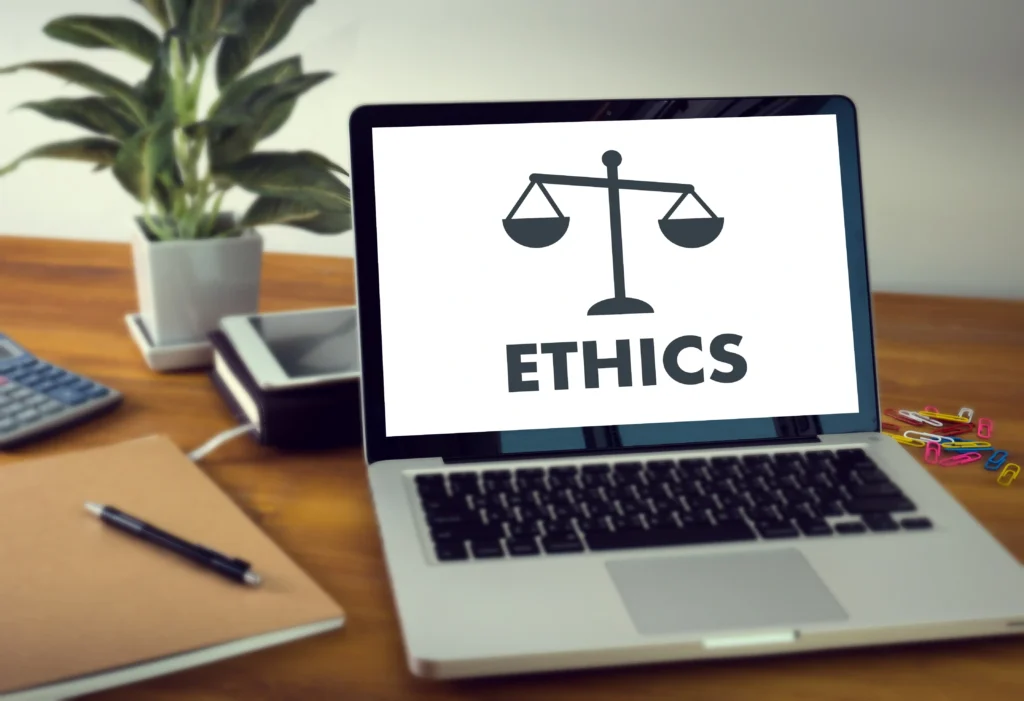
Objectivity, discretion, and fairness are among the principles that ethical insurance professionals should follow when assessing a claim.
All claims must be assessed based on the available evidence and without bias. Allowing personal opinions about a claimant or a case to influence an assessment goes against the high ethical standards professionals hold themselves to. This includes confirmation bias, or only looking for facts that support your opinion.
Decisions on a claim or the results of an investigation should also be delivered to the appropriate parties in a timely manner. Delaying the dissemination of information can call into question the integrity and reputation of an individual or their employer.
How To Address an Ethical Dilemma
A simple, three-step process can help claims professionals navigate any ethical insurance conundrum that emerges: recognize, analyze, and decide. The previously mentioned ethical qualities, like transparency, fairness, and objectivity, will be called upon throughout this process.
Recognize
Professionals should always be on alert for potential ethical situations to ensure fairness, accuracy, and objectivity throughout the claims process.
This allows them to recognize when claims details might raise suspicion and acknowledge as much. Following the recognition, an adjuster should pause and make an objective decision regarding the information that might be calling into question the validity of a claim and seek expert help to provide further investigation. It’s always better to err on the side of caution than rush to judgment. Balancing timeliness with accuracy is key.
Analyze
Once the possibility of an ethical situation has been acknowledged, the next step is to analyze the available information. This can include consultations with a mentor, supervisor, or trusted advisor. Because claims can contain sensitive information, the insurance professional needs to use discretion when discussing details with people not directly involved in the investigation.

Claims adjusters can use a three-step process to evaluate claims and determine if an expert investigator can help verify any potentially questionable facts.
An outside perspective can ensure that the professional is being fair and accurate when evaluating the potential ethical insurance dilemma. Plus, an expert investigator can offer a broader context to questionable details, providing clarity on if a situation is possibly unethical.
Decide
From there, an adjuster should decide how to proceed, keeping in mind ethical guidelines and industry best practices. The determination, made transparently and fairly, might not always be popular but should be made with the objective best interest of the case in mind.
Professionals should stand by their decision, but with the following caveat: If new information comes to light, be fair when assessing if the decision should change.
Ethical adjusters know when they need outside help during the recognize, analyze, and decide stages and should depend on experts who share their values. VRC Investigations’ skilled professionals hold themselves to the highest ethical standards for the insured, claimants, insurance companies, and anyone else affected by a claim. To bring their expertise to your investigation, submit an assignment today.

Don’t miss insurance-focused resources and webinars about property, perils, and trends impacting claims nationwide by signing up for The Savvy Adjuster Newsletter.

Be sure to also tune in to The Savvy Adjuster Podcast to hear more from the experts themselves.
Alpine Intel’s content is meant to inform and educate readers using general terms and descriptions. They do not replace expert evaluations that determine facts and details related to each unique claim.
Related Resources

7 Qualities of an Ethical Claims Professional Guide
Build policyholder trust and settle claims more fairly by having these qualities of ethical claims professionals.

Handling Video Evidence in Insurance Claims Guide
Learn how to properly collect, verify, and use video evidence to strengthen claim investigations, support negotiations, and ensure admissibility.

Ethical Red Flags Associated With Property Claims
Our ethics guide dives into the red flags associated with property claims and provides actionable strategies for ethical decision-making.