
Where To Find Video Evidence and How To Obtain It

Video evidence for claims investigations can be procured from a variety of outlets to confirm or refute details in a questionable claim, making it critical that this footage is obtained through trusted sources.
Businesses, vehicles, personal electronic devices, social media, private property security, and government organizations are among the places an adjuster or investigator can turn for this evidence. But the type of video evidence and who owns the rights to the footage or recording equipment determine how to approach securing the files.
Business Security Cameras and CCTV
After confirming the location of the incident that’s being verified in the claims investigation, an experienced investigator will note nearby establishments with security footage that could have captured the incident.
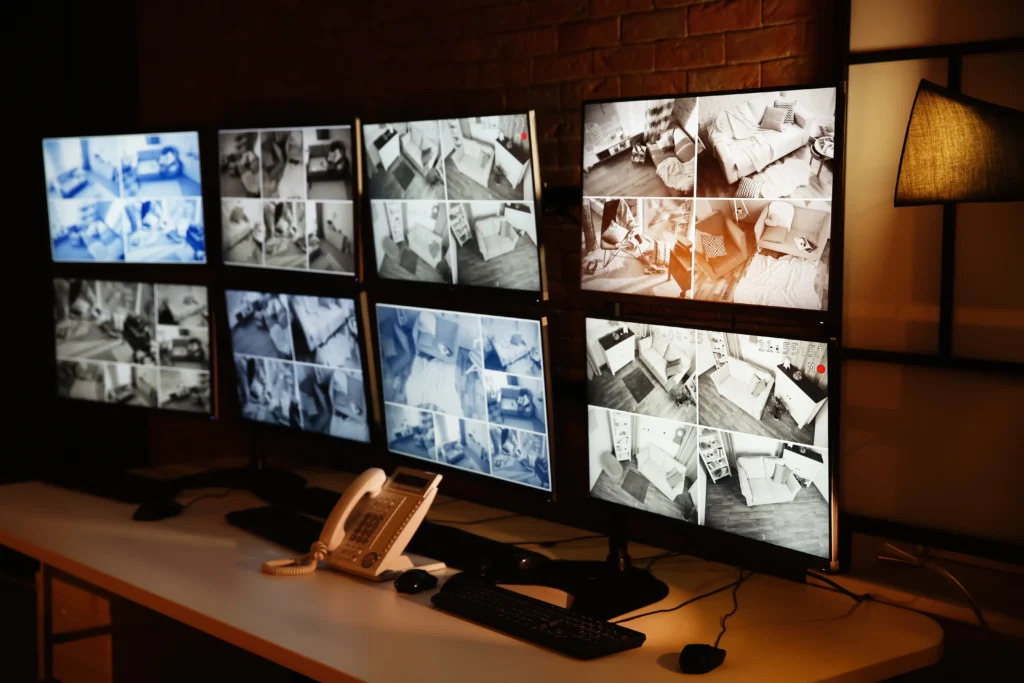
Obtaining closed-circuit television or security camera footage from businesses requires approval from the business, but it can provide video evidence from various angles.
Security footage or closed-circuit television found at commercial businesses tends to cover wider areas, like parking lots or alleys, giving more context to the incident being investigated. However, there are two caveats:
- Business owners must grant permission for an investigator to obtain footage.
- Security footage is often retained for short periods of time and recorded over within a matter of days or weeks. Speed is key.
Laws related to independently owned security video vary by jurisdiction, so you or your investigative partner should know how to navigate these nuances from one location to another.
Onboard Vehicle Cameras and Dashcams
Footage from built-in dashcams or vehicle cameras can also be useful to verify claims details. Commercial fleet vehicles, such as delivery trucks or buses, often contain video systems, which are intended to prevent potential theft or a road incident and monitor driver behavior fraud.
Some vehicles, depending on the make and model, record their surroundings even when the vehicle isn’t in use.
However, the footage belongs to the vehicle owner. Adjusters and investigators must obtain consent, either written or verbal, to access the footage.
Cell Phone and Social Media Videos
Bystander recordings of crashes, fights, or other unexpected incidents are a common occurrence in the digital age. In many cases, the video is uploaded to social media platforms (sometimes even going viral).
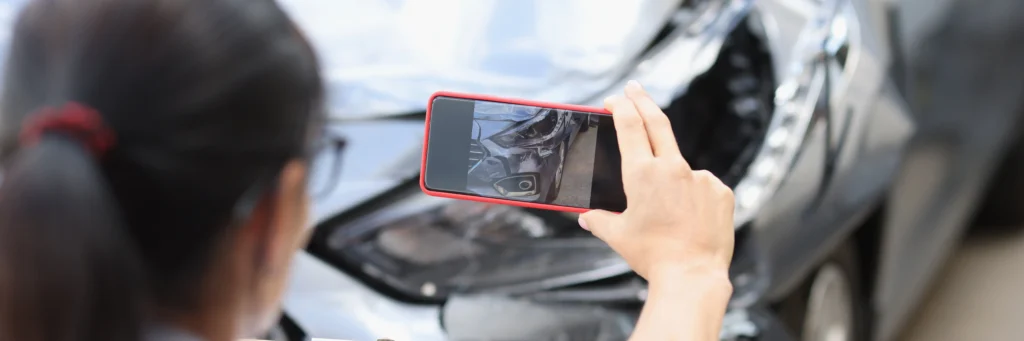
Cell phone video, whether taken by the claimant or a witness, can be obtained during a claims investigation to be used as video evidence.
An investigator or adjuster can scan social media accounts for videos of the incident itself or to verify a claimant’s statement. For example, if the claimant reported being unable to lift more than 25 pounds, you would not expect to find videos of them at the gym lifting heavy weights.
However, the proliferation of video resharing, photo manipulation or editing, and AI across all industries and platforms means the authenticity of video evidence must be independently verified. Signs of AI-generated footage include strange shadows, unnatural body language, and light flickers, according to the Better Business Bureau.
Private Property Security Videos
Video doorbell or home security systems can record incidents on or near private property. This type of video is more common than ever, with Safehome.org reporting that roughly 68 million U.S. households have some type of home security system.
If the incident being verified occurred in a residential area, this video evidence could prove vital should the homeowner give you permission to obtain it. Acting quickly is key here as well because these services often only save recordings or events for a set time and then they are erased.
Legal and privacy regulations do vary when it comes to private property security, but an experienced investigator is well-equipped to navigate these nuances.
If this footage is found online (say through local news coverage), the investigator will need to confirm its authenticity in addition to obtaining it from the original source with permission. This is especially important if a case goes to court because only authenticated video evidence is admissible.
Government Entities
Red-light cameras, law enforcement body cameras, and public park security feeds are just a few examples of government surveillance that could be used in a claims investigation, if available (some states don’t allow red-light cameras). Traffic incidents, property theft, and public altercations resulting in physical injury are among the likely scenarios to be captured on this form of video evidence.
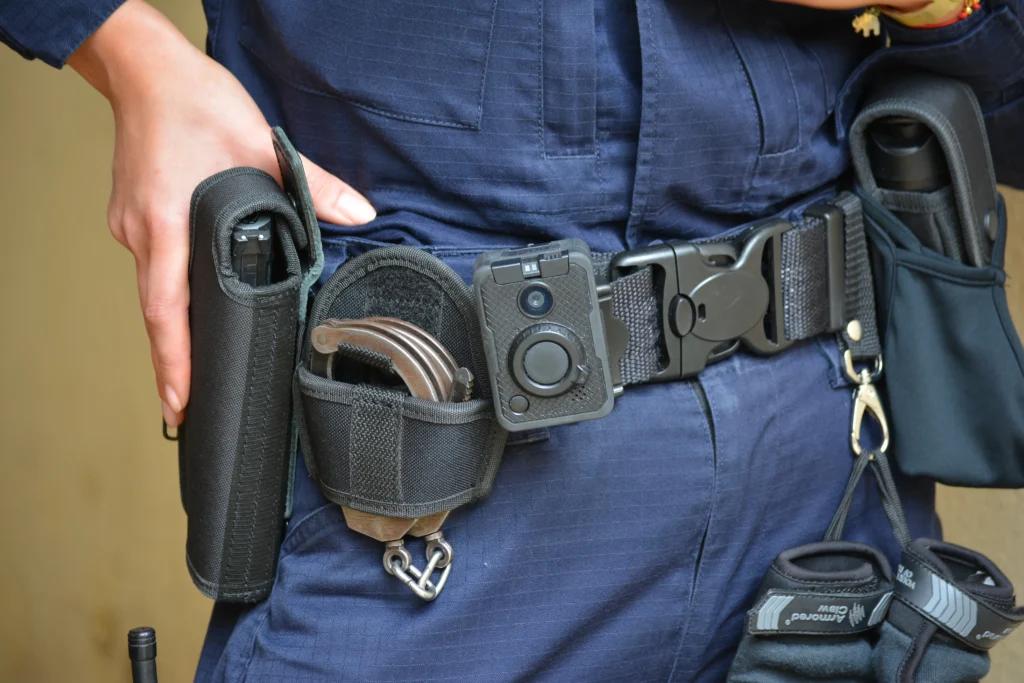
Police body cams can be requested as video evidence during a claims investigation, but the query will likely need to be made through the Freedom of Information Act.
Unlike the other types of footage discussed, government-owned video evidence must be requested through a Freedom of Information Act (FOIA) request (also known as a Sunshine Law Request in some states) or other legal avenues. The process for submitting FOIA requests varies by state. In some cases, the governing body or organization might require a fee to locate and provide the evidence.
Retention policies can also dictate the availability of government-owned footage, so the sooner the inquiry is made, the more likely the video evidence will still be available.
Significance of Video Evidence in Claims Investigations
Video documentation offers an unbiased account of events, helping adjusters and investigators better understand the facts of a questionable claim. From identifying new leads to validating claim details, video evidence in claims investigations makes navigating potentially conflicting accounts obtained through interviews or other investigative methods more manageable.
Qualified investigators, like those at VRC Investigations, who gather footage from reputable sources like those mentioned above help adjusters reach faster and more accurate decisions, reduce unnecessary settlements based on misinformation or misrepresentation, and improve trust among all parties.
For assistance navigating the verification process during a claims investigation, submit an assignment with VRC Investigations today.

Don’t miss insurance-focused resources and webinars about property, perils, and trends impacting claims nationwide by signing up for The Savvy Adjuster Newsletter.

Be sure to also tune in to The Savvy Adjuster Podcast to hear more from the experts themselves.
Alpine Intel’s content is meant to inform and educate readers using general terms and descriptions. They do not replace expert evaluations that determine facts and details related to each unique claim.
Related Resources

5 Sources for Video Evidence Guide
Discover where to find admissible video footage for your claims and how to navigate legal and ethical considerations when obtaining it.
Handling Video Evidence in Insurance Claims Guide
Learn how to properly collect, verify, and use video evidence to strengthen claim investigations, support negotiations, and ensure admissibility.

5 Causes of Commercial Equipment Failure and What To Do About Them
Understanding common causes of business-critical equipment failure is key to accurately resolving related claims. Learn what they are and how to address them.